Challenges
# 1
Slow Feature Adoption
New features take weeks or months to gain traction. Without clear nudges or guided paths, users simply don’t discover or try what you build.
# 2
Drop-off During Onboarding
A complicated or passive onboarding flow leads to early churn. Users fail to reach their first “aha moment,” hurting activation rates.
# 3
Low Engagement with Core Actions
Users interact with only a small portion of a product. High-value behaviors like completing tasks, upgrading plans, or enabling key settings often go ignored.
# 4
Hard to Influence User Behavior
Driving consistent habits is challenging. Email reminders and in-app banners alone rarely change behavior or sustain engagement over time.
How it Works
Increase Retention & LTV with Gamified Actions
Turn everyday user actions into rewarding experiences using missions, streaks, and in-app challenges.

Get Cohort & Segment Reports
Compare loyalty members against non-members, tier against tier, cohort against cohort. See repeat purchase rate, AOV and purchase frequency for each.
Features
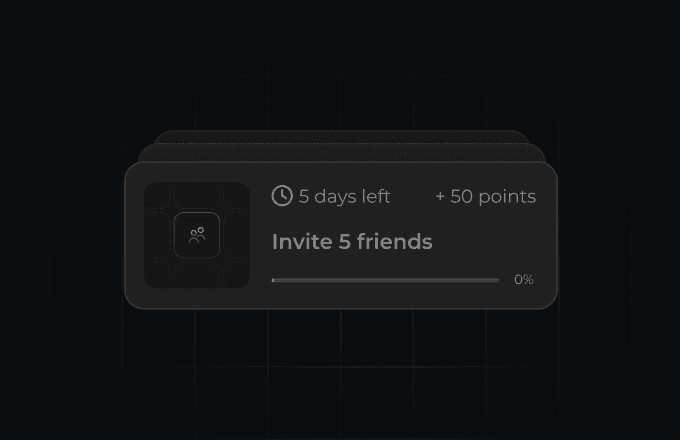
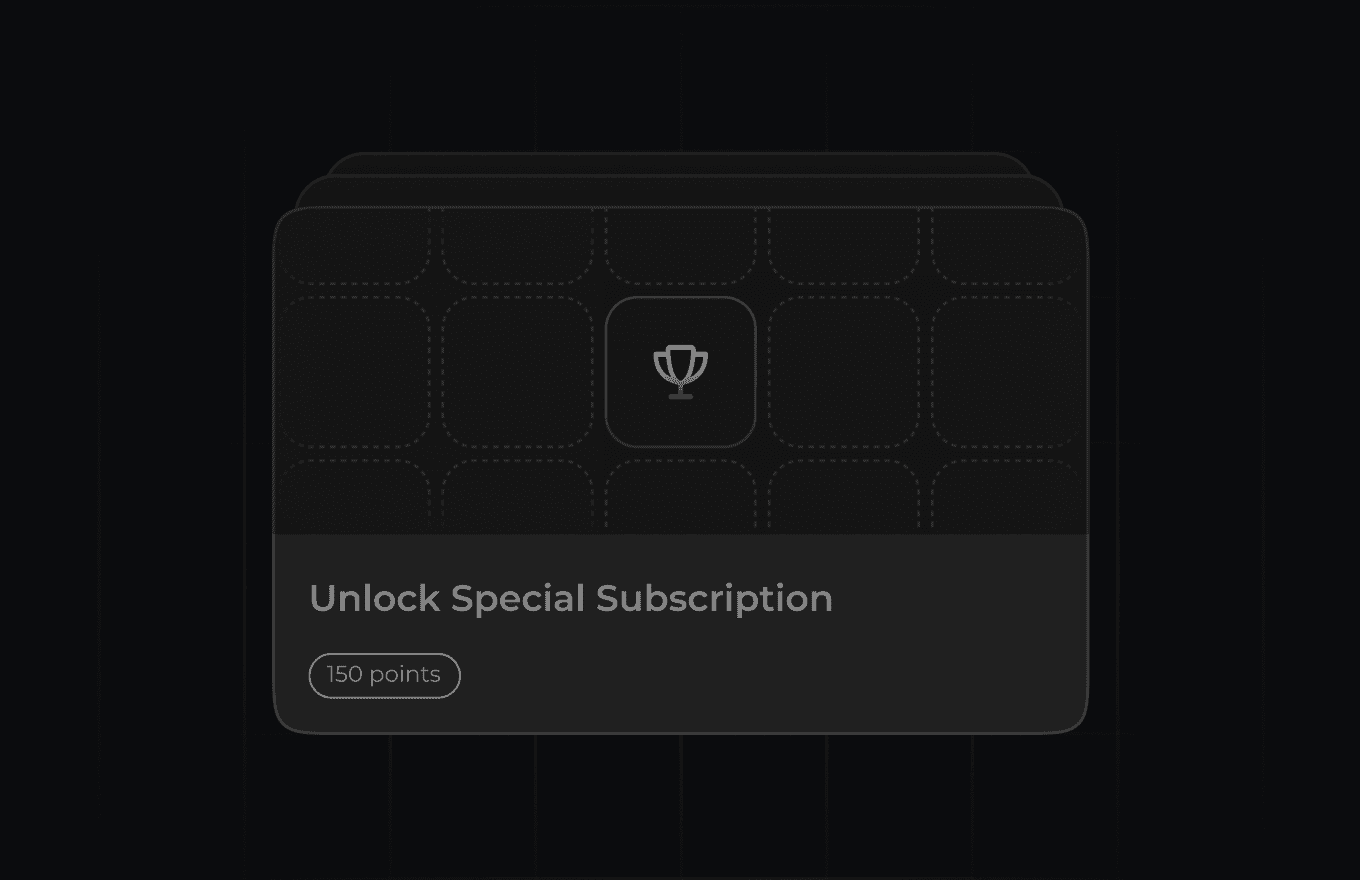
Rewards
Let users earn and redeem points for discounts, content, perks, or
service credits.
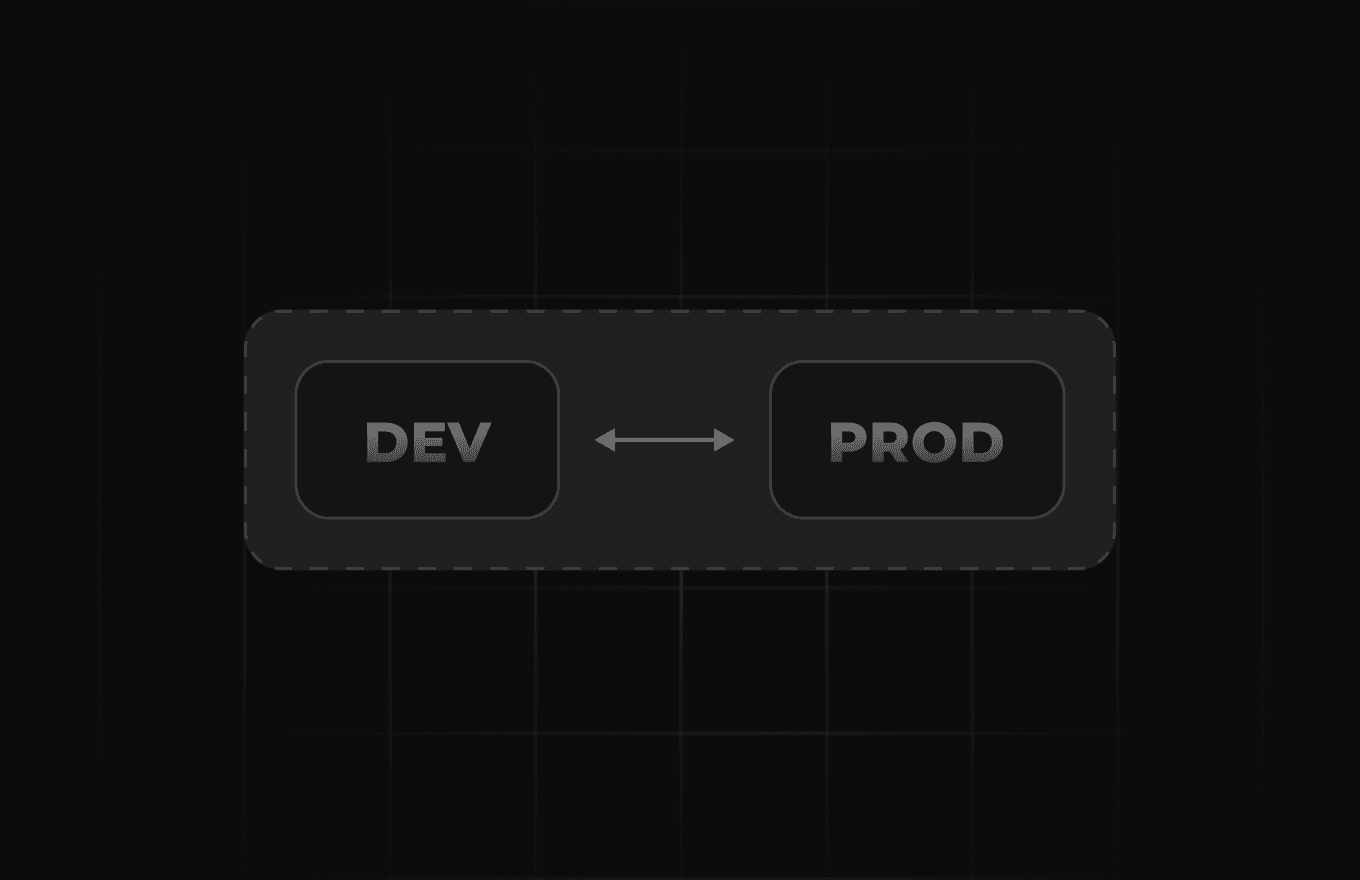
Low-Code Simplicity
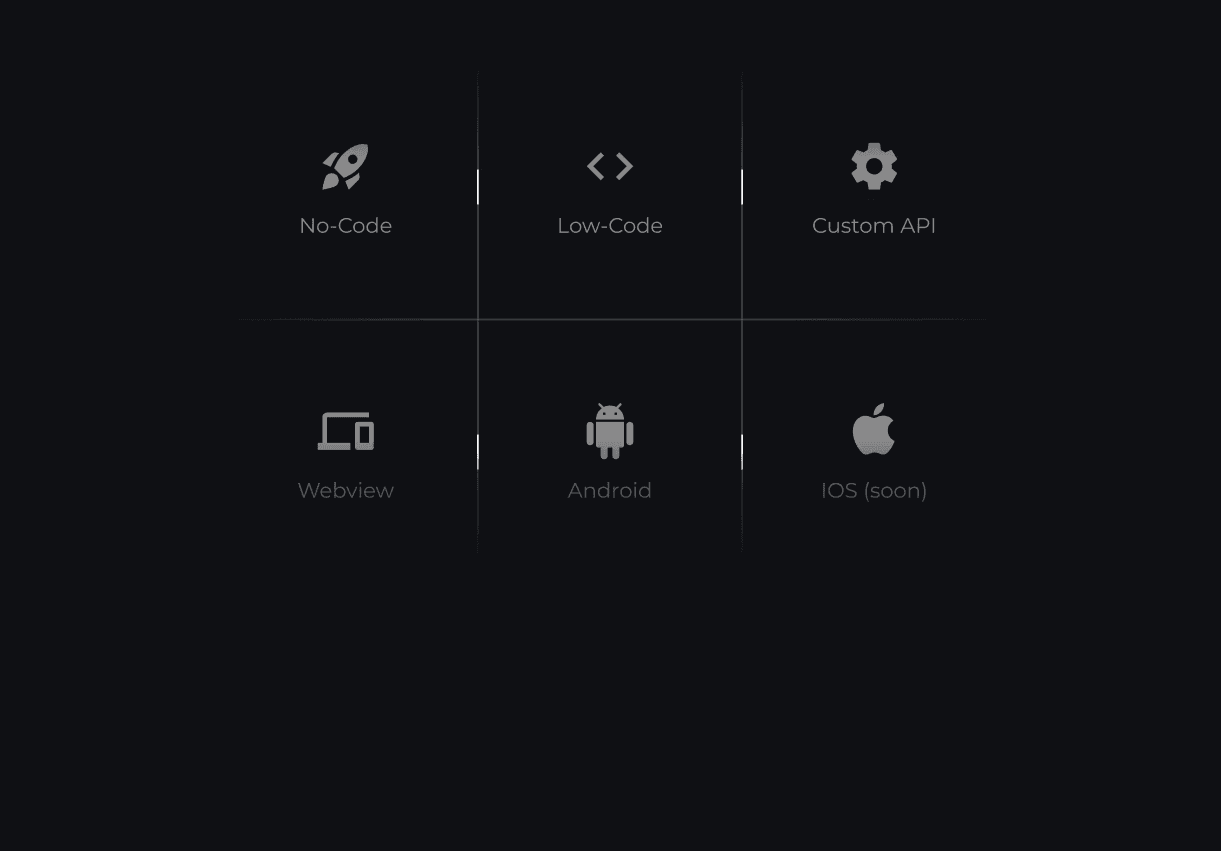
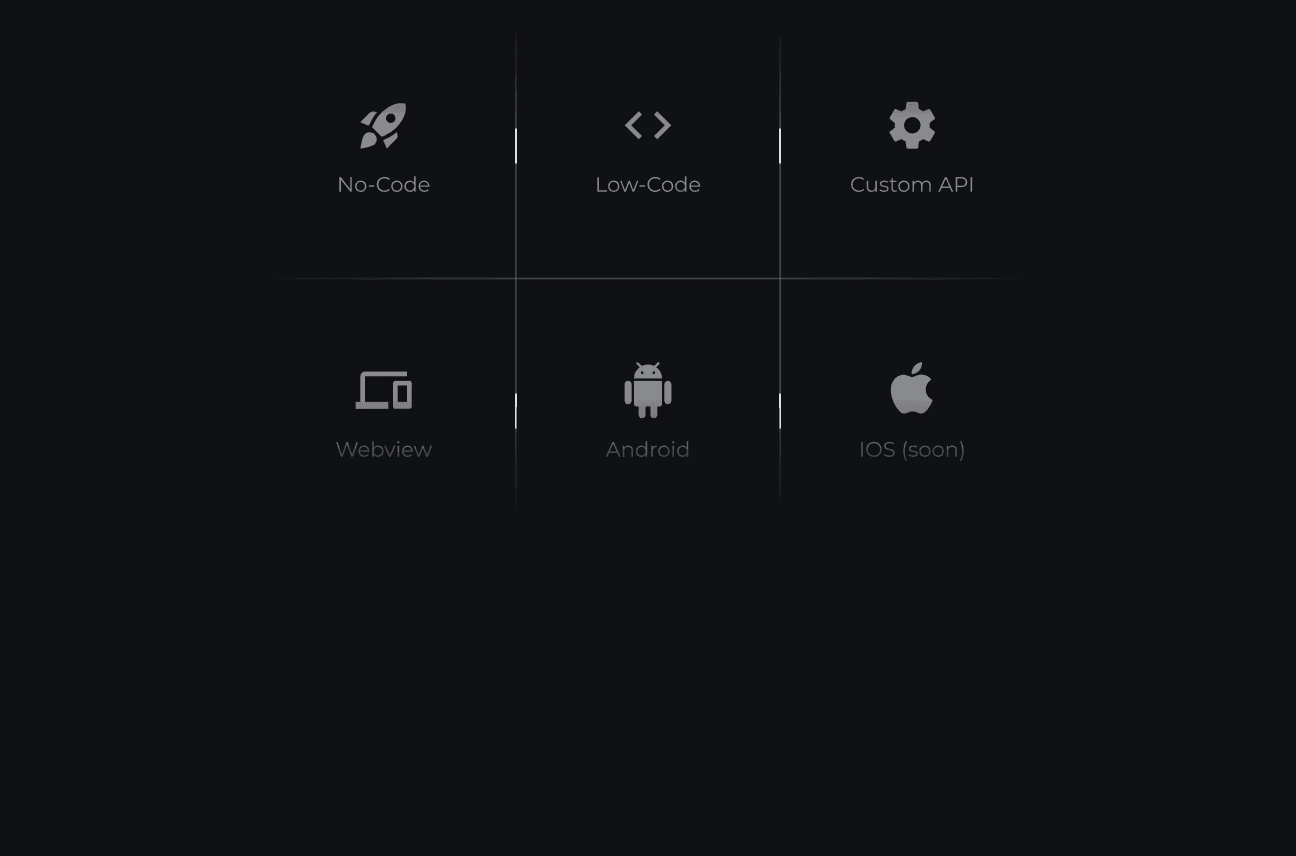
Launch quickly with minimal coding. Choose from WebView or SDK integration, customise missions and rewards, and go live effortlessly.

Loyalty Mechanic Testing
A/B test missions vs points, streaks vs VIP tiers — against your actual customers, with proper control groups.

Analytics dashboard
Analytics dashboard making it easy to see exactly which mission drove completions, which rewards got redeemed, and what wasn’t as popular as we hoped.
Business Impact
Higher Feature Adoption
Guide users to key actions with missions, streaks, and in-app nudges increasing adoption of the features your team builds.
Better Activation & Onboarding
Turn onboarding into a structured, rewarding journey that leads users to their first success fast – boosting activation rates.
Stronger User Engagement
Keep users coming back with habit-forming loops, repeatable challenges, and milestone rewards that grow engagement over time.
Loyalty Tokenization Angle
Add token-based incentives to deepen motivation, increase virality, and create long-term attachment to your product.
Use Cases

FAQ
1. How does Enable3 help improve activation and onboarding?
2. Can I launch and test missions without involving developers?
3. Will Enable3 slow down my app or require major technical changes?
4. What user behaviors can I gamify?
5. Does Enable3 support segmentation and personalized missions?
6. Is loyalty tokenization required?

Loyalty-Driving Solutions for Product Teams