Loyalty


Every business leader faces the same question when considering a loyalty program: “How much is this actually going to cost?” It’s a fair question. Loyalty programs represent a significant investment, and without understanding the full cost picture, you’re flying blind.
The reality is that the cost of loyalty programs extends far beyond monthly software fees. It includes rewards, marketing, team resources, and hidden expenses that catch many businesses off guard. Yet companies continue investing heavily – dedicating an average of 31.4% of their marketing budgets to loyalty and CRM initiatives.
Why? Because economics makes sense. When customer acquisition costs have jumped by 40- 60% over five years and acquiring a new customer costs 5 to 25 times more than retaining an existing one, loyalty programs become less of a nice-to-have and more of a financial imperative.
This guide breaks down every aspect of loyalty program cost – from platform fees to hidden expenses – and shows you how to calculate, budget, and optimize your investment for maximum ROI.
What Determines the Cost of a Loyalty Program?
Understanding what drives loyalty program costs will help you make smarter decisions about where to allocate resources and where to potentially cut back.
Why Loyalty Program Cost Matters for ROI
The cost of a loyalty program directly impacts your return on investment, but not in the way most people think. Lower costs don’t automatically mean better ROI. In fact, underfunding a loyalty program often leads to poor engagement, low redemption rates, and ultimately, program failure.
According to Antavo, 83% of loyalty program owners who measure ROI reported positive returns in 2025 – with the top performers delivering 8x more revenue than cost. This means for every dollar invested in their loyalty program, they’re seeing $8 back in incremental revenue.
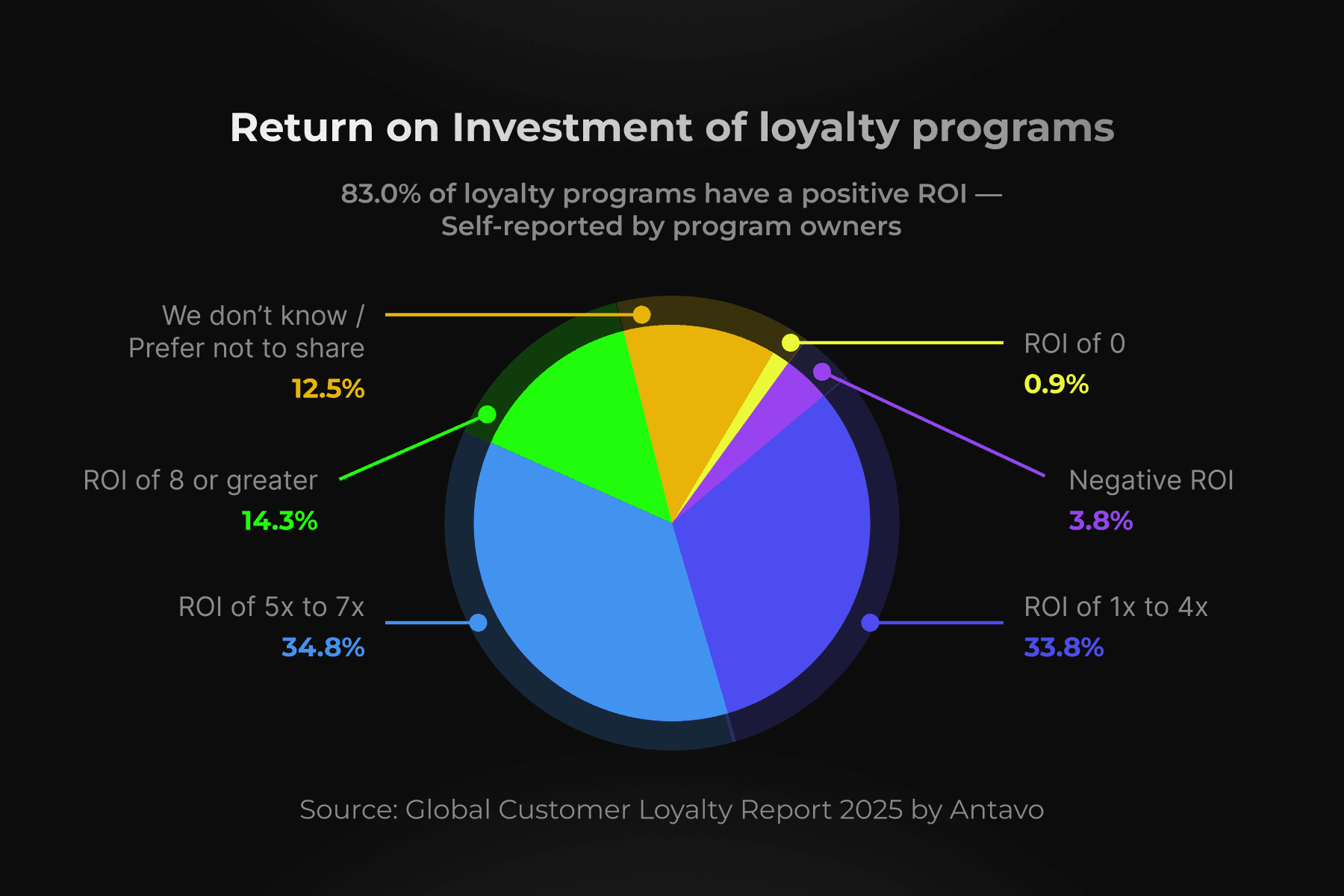
The key is understanding that loyalty program costs should be evaluated against specific business outcomes:
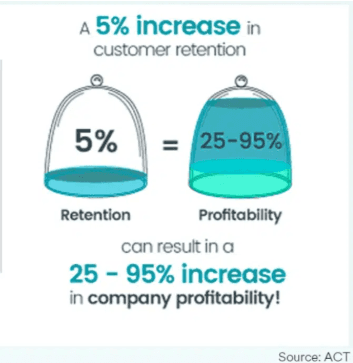
increased customer retention (which Bain & Company’s research shows can boost profits by 25% to 95% with just a 5% improvement);
higher customer lifetime value;
increased purchase frequency, and
larger average order values from engaged members.
According to Accenture, members of loyalty programs generate 12-18% more incremental revenue growth per year than non-members. When you calculate your total loyalty program cost, you’re not looking at an expense – you’re evaluating an investment vehicle that should deliver measurable returns.
Consider the brands that have mastered this equation.
Starbucks generates 53% of its U.S. revenue from Rewards members, who spend 3x more than non-members and visit more frequently.
Sephora’s Beauty Insider program accounts for 80% of total sales, with the company achieving an 80% retention rate – well above retail industry averages.
These outcomes didn’t happen by accident. Both companies engineered their reward structures to balance member value with sustainable economics.
How Loyalty Cost Compares to Other Retention Investments
When evaluating the cost of loyalty programs, context matters. Customer service improvements, personalized email marketing, and product quality enhancements all contribute to retention, but loyalty programs offer something unique: they systematically incentivize and track repeat purchase behavior while collecting valuable first-party data.
According to Gartner, 20.6% of paid media budgets now go toward loyalty and advocacy marketing efforts. This reflects brands reallocating dollars from expensive acquisition channels toward retention mechanisms that deliver better unit economics.
Your probability of selling to an existing customer sits between 60-70%, versus just 5-20% for new prospects. For example, Amazon Prime subscribers spend nearly twice as much as non-Prime customers. Nike’s Membership program has over 100 million members who spend 3x more than guest customers.
The pattern is clear: loyalty investment delivers superior unit economics compared to acquisition spending.
The Five Main Categories of Loyalty Program Costs
Breaking down the cost of a loyalty program into distinct categories will help you budget accurately and identify where you can optimize your spending.
Platform and Technology Fees
Platform costs form the foundation of your loyalty program budget. These are the subscription fees or licensing costs for the loyalty software that powers your loyalty management program.
For small to mid-sized businesses, loyalty platform costs typically range from $25 to $500 per month for basic off-the-shelf solutions.
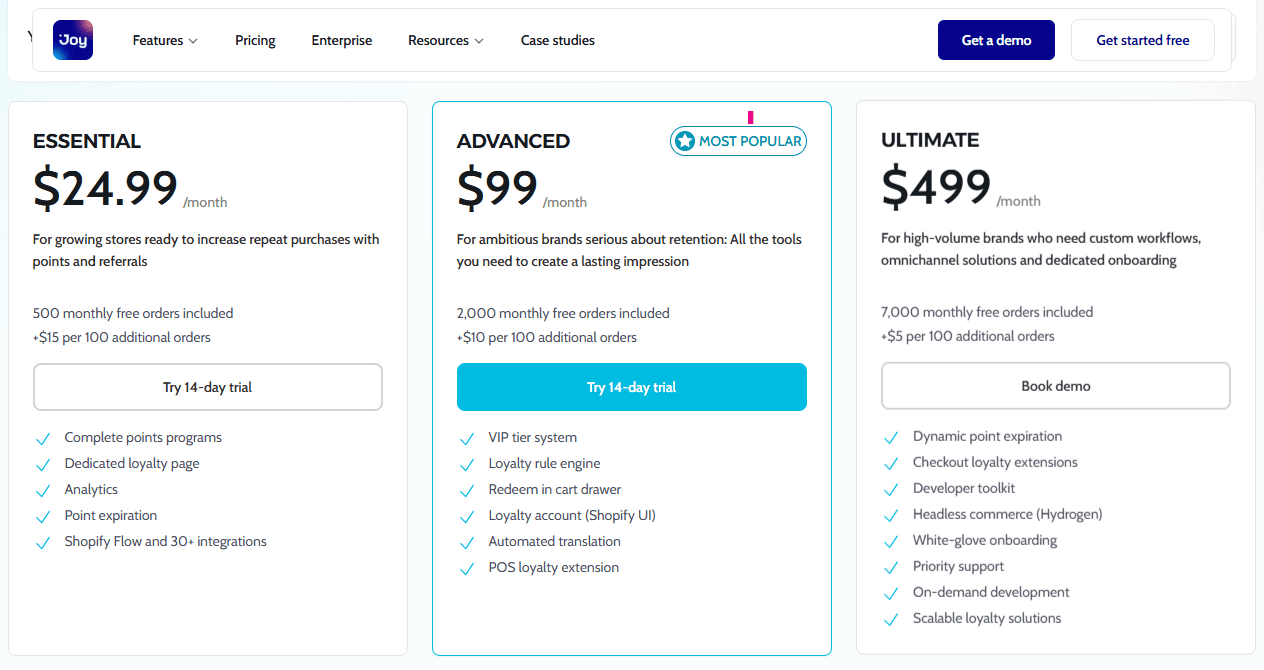
More sophisticated platforms with advanced features run $200 to $3,000 monthly. Enterprise solutions with full customization can cost significantly more.
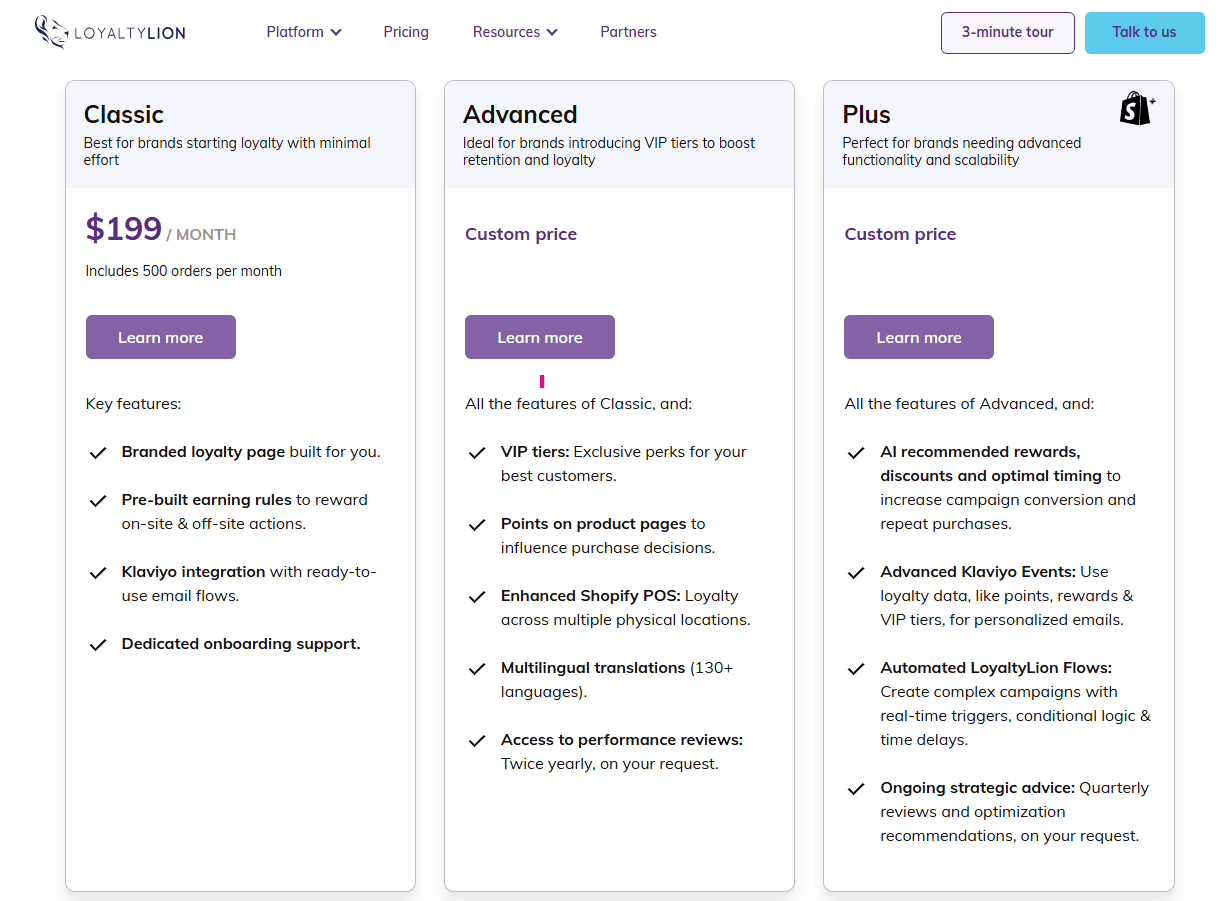
The structure varies by provider. Some charge flat monthly fees, others use tiered pricing based on active members or transaction volume. Transaction-based pricing typically adds 2-3% per order, with some providers charging around $15 per 100 orders beyond free tiers.
Connecting your loyalty system to existing CRM, e-commerce, and marketing tools can add $5,000 to $50,000 for white-label solutions, or $20,000 to $200,000+ for fully custom-built platforms.
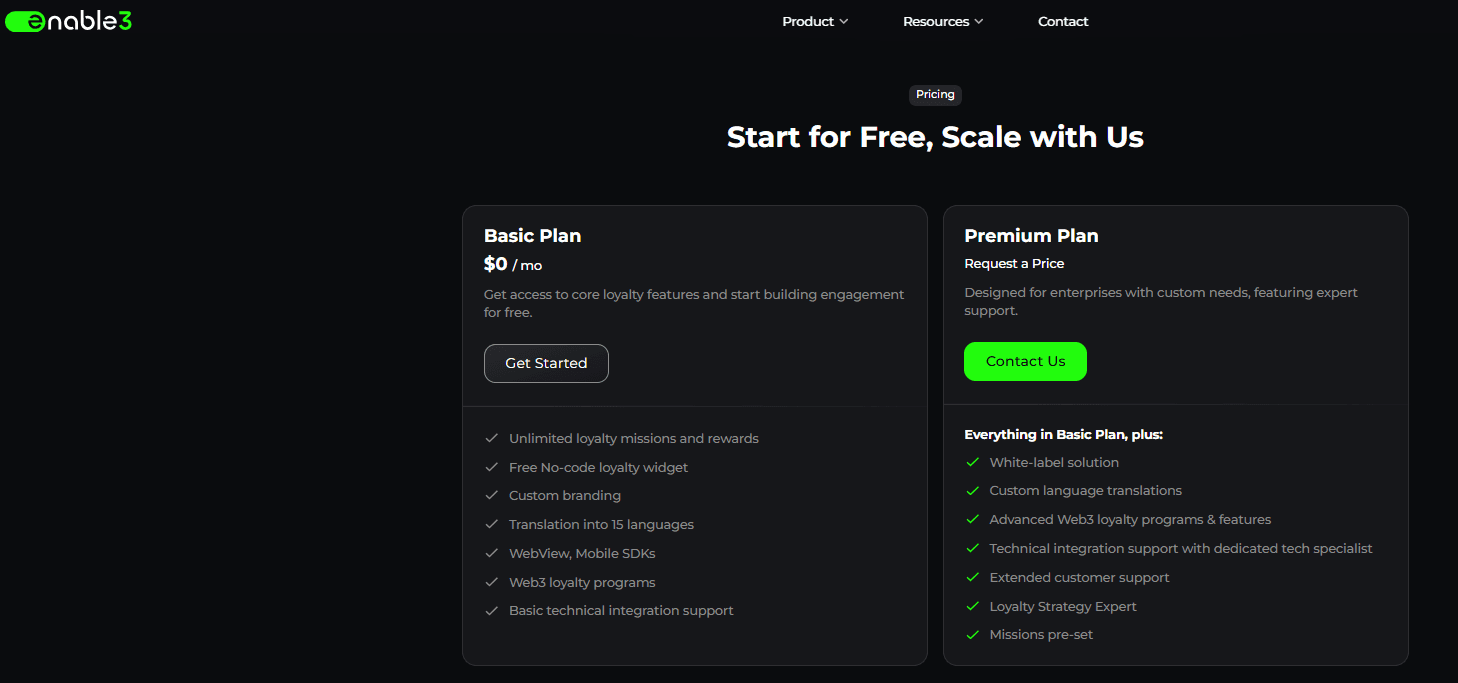
Enable3 takes a different approach to loyalty platform pricing. Instead of unpredictable per-transaction fees that balloon as you grow, Enable3 offers transparent, scalable pricing with a freemium model that lets you access core loyalty features at no cost. The Pro package provides additional tools, and the platform handles infrastructure, multi-location support, and automatic updates – costs that would otherwise require dedicated engineering resources. Platform costs also include integration expenses.
Reward and Benefit Costs (Liability)
This is your largest variable expense and the one that requires the most careful forecasting.
Reward costs include the actual value of points, discounts, free products, or perks you provide to members. Every point earned creates a financial liability on your balance sheet – a future obligation that must be fulfilled when customers redeem.
Industry-wide redemption rates typically fall between 15-40%. However, this varies dramatically by program type and industry. Paid loyalty programs see higher redemption (members have more skin in the game), while pure points programs may see significant point accumulation without redemption.
Let’s look at a practical example: a business with 10,000 loyalty members offers 10 points per dollar spent. Average annual spend per member is $200. That’s 20,000 points earned annually per member, or 200 million points across the member base. If each point is worth $0.01 and you forecast a 15% redemption rate, your annual reward cost is $300,000.
This calculation must account for point expiration (which reduces liability), breakage rates (points that are never redeemed), and promotional issuances (bonus points from campaigns).
Industry benchmarks suggest budgeting 1% to 3% of annual revenue for rewards, with some retail programs running as high as 5%.
Hotel loyalty programs average about 1.5% of total operating revenue according to Lodging Magazine.
Supermarkets typically spend 1% to 1.5% of revenue, while other retail categories range from 2% to 5%.
Your industry margins and purchase frequency should guide your target percentage.
Marketing and Communication Spend
Even the best-designed loyalty program fails without effective promotion. Marketing costs cover everything needed to drive awareness, enrollment, and ongoing engagement.
Launch campaigns typically require the heaviest investment – estimated at $2,000 to $10,000 for small and mid-sized businesses. This includes email campaigns, social media promotion, in-store signage, and customer education materials.
Ongoing communication costs add up: email automation platforms, SMS campaigns, push notifications, and promotional materials for special events or double-points promotions. SMS can become particularly expensive, making email and push notifications more cost-effective for routine communications. Budget $500 to $5,000 monthly depending on your engagement strategy and customer base size.
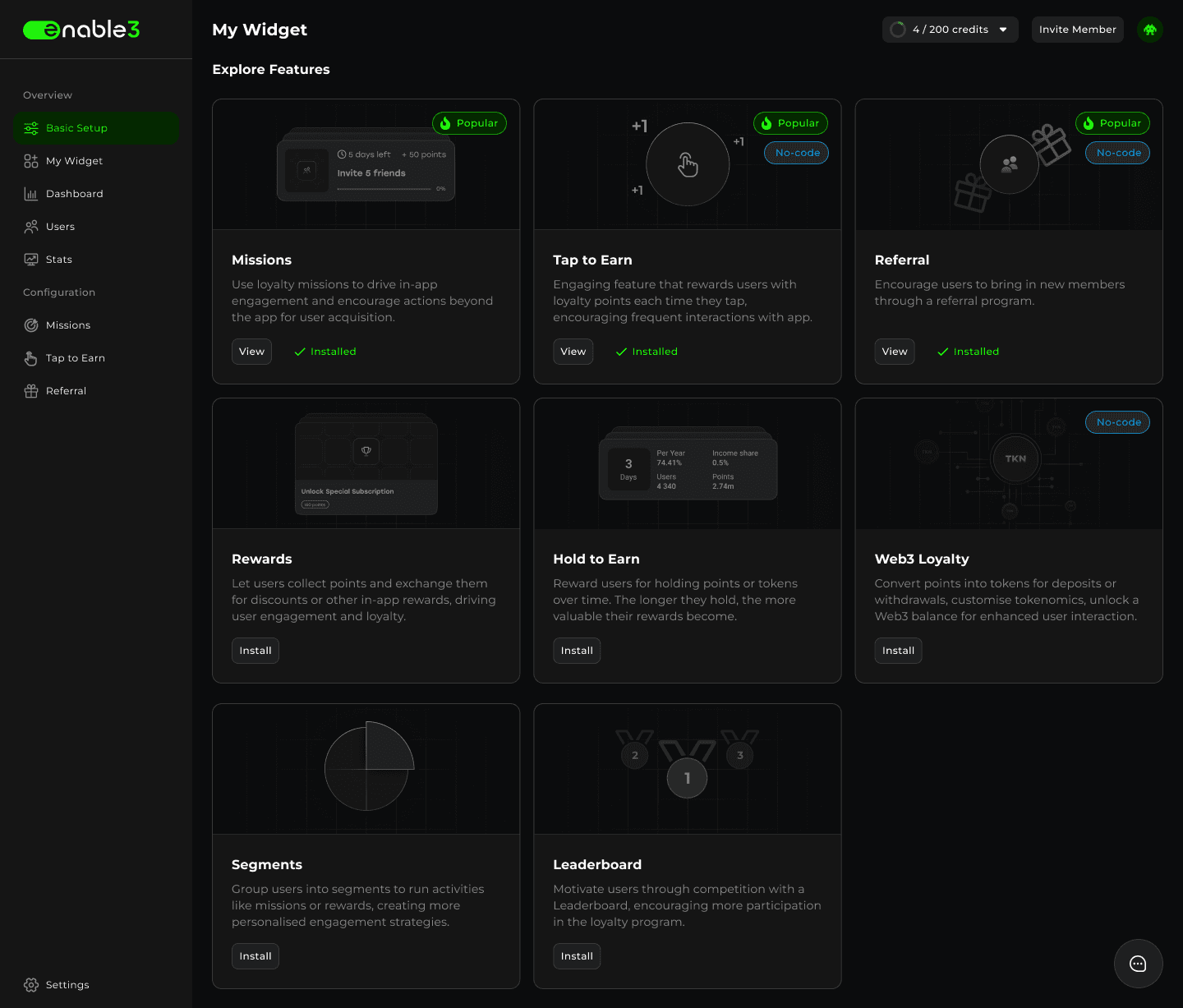
The marketing budget should also cover A/B testing different reward structures, segmented campaigns for various customer tiers, and seasonal promotions. For example, Enable3’s Segments feature automates much of this work, letting you create behavioral groups and target them with different campaign types automatically, reducing both labor and tool costs.
Team, Operations, and Support
Loyalty programs don’t run themselves. Labor represents a significant portion of total loyalty program costs, yet it’s frequently underestimated during budgeting.
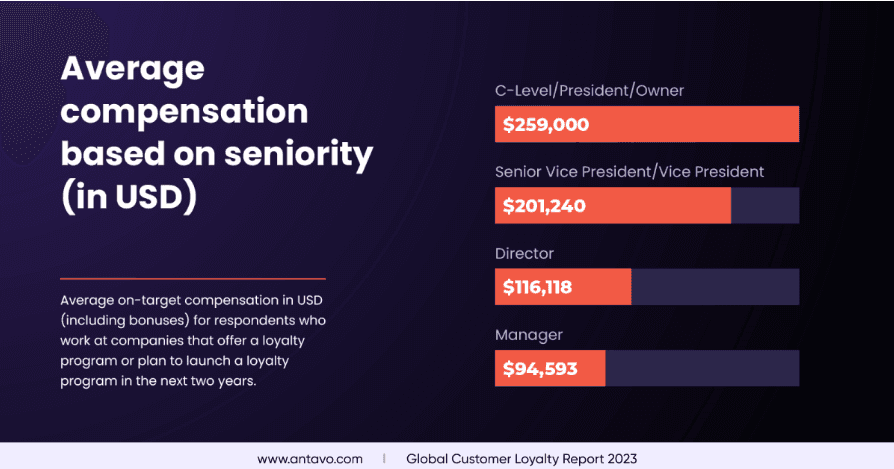
According to the Antavo Global Customer Loyalty Report, the average total compensation (including bonuses) for loyalty program professionals was $117,749 USD. For enterprise programs, larger organizations typically require 16+ dedicated personnel spanning program management, marketing, customer support, IT, and analytics roles.
Small to mid-sized businesses can operate more leanly, but still need to allocate staff time for program management and optimization (typically 10-25% of a marketing manager’s time), customer support for member inquiries and redemption issues ($1,000-$5,000 monthly), training customer-facing teams on program mechanics, and analytics and reporting to track performance.
Enable3 addresses this challenge by putting control directly in marketing teams’ hands. The admin panel lets non-technical users create missions, configure rewards, and launch campaigns without engineering involvement – eliminating bottlenecks that typically require developers’ time at $80-150+ per hour.
Hidden Costs: Opportunity Cost and Implementation Risk
Beyond direct expenses, loyalty programs carry less obvious costs that affect your total investment.
Opportunity cost refers to what you forgot by allocating budget to loyalty instead of other initiatives. The marketing dollars spent on loyalty program promotion could have funded other campaigns. The staff time dedicated to program management could have been used elsewhere. These hidden costs must be factored into your cost-benefit analysis.
Implementation risk represents another hidden expense. 90% of companies with loyalty programs plan to revamp them in the next three years. Often this is because initial implementations didn’t deliver expected results, which required costly rebuilds or platform switches. McKinsey research shows that 77% of transactional loyalty programs fail within two years due to weak differentiation, high costs, or low member activity.
Custom-built solutions carry particularly high implementation risk. Development typically takes 6-18 months and frequently runs over budget. Once launched, every new feature or integration requires additional engineering sprints, creating ongoing opportunity costs as development resources are diverted from core product work.
Fraud also represents an escalating hidden cost. Loyalty fraud has surged 89% in recent years, costing businesses an estimated $1 billion annually. Yet most small to medium businesses allocate zero budget for fraud prevention at launch.
Enable3 includes built-in fraud detection and conditional referral rewards that reduce fraud by 60-80% compared to flat bonus structures, which prevents these hidden costs from materializing.
Key Factors That Drive How Much a Loyalty Program Costs
Not all loyalty programs cost the same. Several variables significantly impact your total investment.
Customer Base Size and Activity Levels
Customer loyalty program costs scale with your member base, but not always linearly.
A business with 1,000 active loyalty members faces different costs than one with 100,000 members. Loyalty platform fees often tier up at certain member counts. Reward liability grows with the number of point earners. Customer support volumes increase. Marketing costs expand to reach larger audiences.
Activity level matters as much as size. A loyalty program with 10,000 members and only 20% active participants has different cost dynamics than one with 10,000 highly engaged members. High activity means more points earned (higher liability), more redemptions (higher fulfillment costs), and more support inquiries – but also more incremental revenue to justify those costs.
The metric that matters most is cost per active member, not cost per enrolled member. If your annual customer loyalty program cost is $50,000 and you have 10,000 active members, that’s $5 per active member – a reasonable investment if each member generates meaningful incremental revenue.
Industry Margins, Purchase Frequency, and AOV
Your industry economics fundamentally shape loyalty program cost structures.
High-margin businesses (software, services, digital products) can afford more generous reward ratios without significantly impacting profitability. A SaaS company with 80% gross margins has more flexibility than a grocery retailer operating on 2-3% margins.
Purchase frequency changes the equation. Coffee shops see customers multiple times per week, creating rapid point accumulation and redemption cycles. Furniture retailers might see customers once every few years. The coffee shop needs a platform that handles high transaction volumes efficiently – one reason Enable3 offers features like Streaks that reward daily check-ins, increasing daily active users by 15-25% without requiring actual purchases.
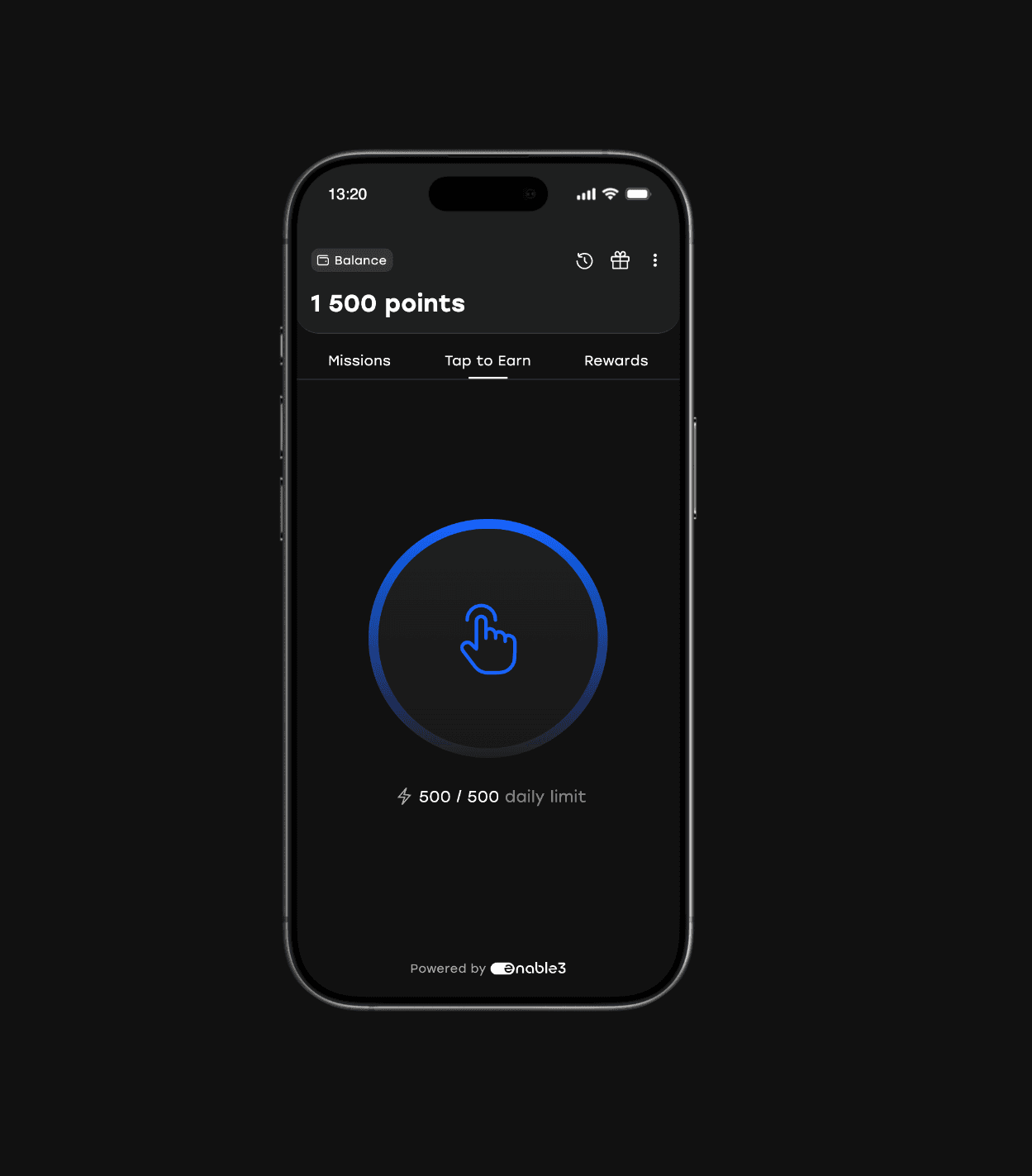
Average order value (AOV) affects both loyalty platform costs (if transaction-based pricing applies) and reward economics. A jewelry store with $2,000 AOV can use percentage-based rewards differently than an app-based service with $10 monthly subscriptions. Enable3’s flexible rewards module supports any scenario – rewards are fully configurable, so businesses control how much they want to spend on a campaign overall and how to reward each particular action.
Program Complexity: Tiers, Partners, and Multi-Market Operations
Simple customer loyalty programs cost less to build and operate than complex ones – but complexity often drives better results.
Basic points programs (earn on purchase, redeem for discounts) represent the simplest cost structure. Adding tiers multiplies both value and expenses – you need tier-specific benefits, communications for tier upgrades, and analytics to track tier performance. However, tiered programs drive higher engagement. Consumers are 56% more likely to join programs offering tiered rewards.
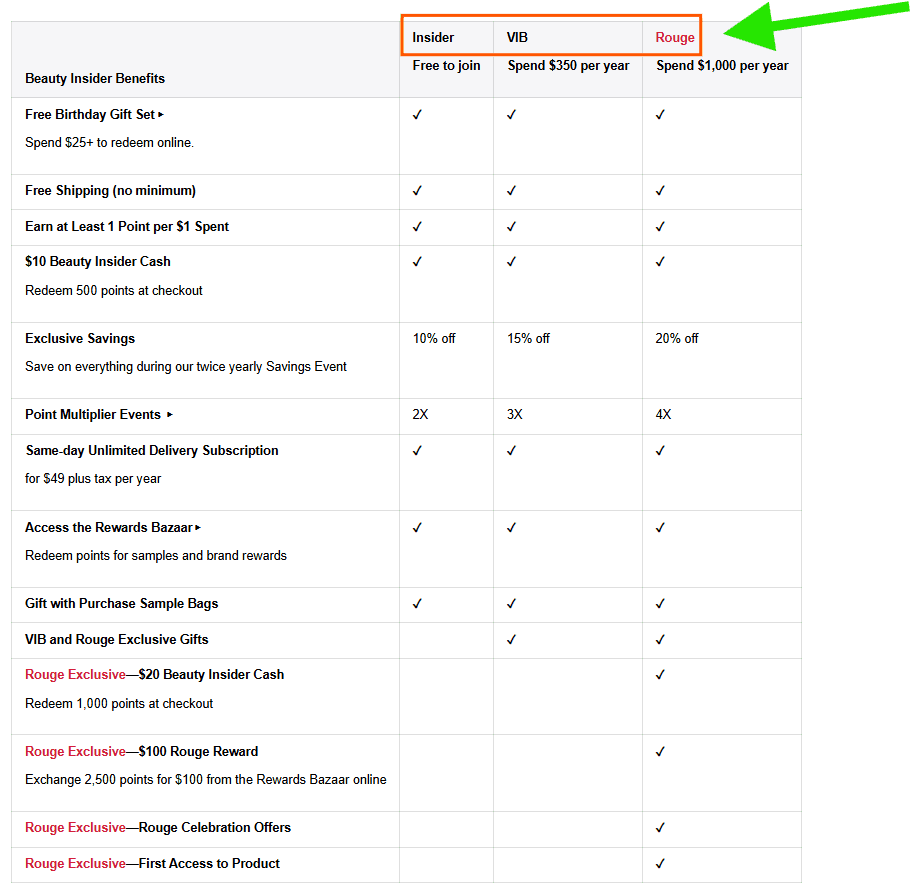
Sephora’s Beauty Insider runs three tiers (Insider, VIB, and Rouge), which requires more complex rules, communications, and benefit fulfillment. The payoff is clear: the program contributes to Sephora’s impressive 80% retention rate.
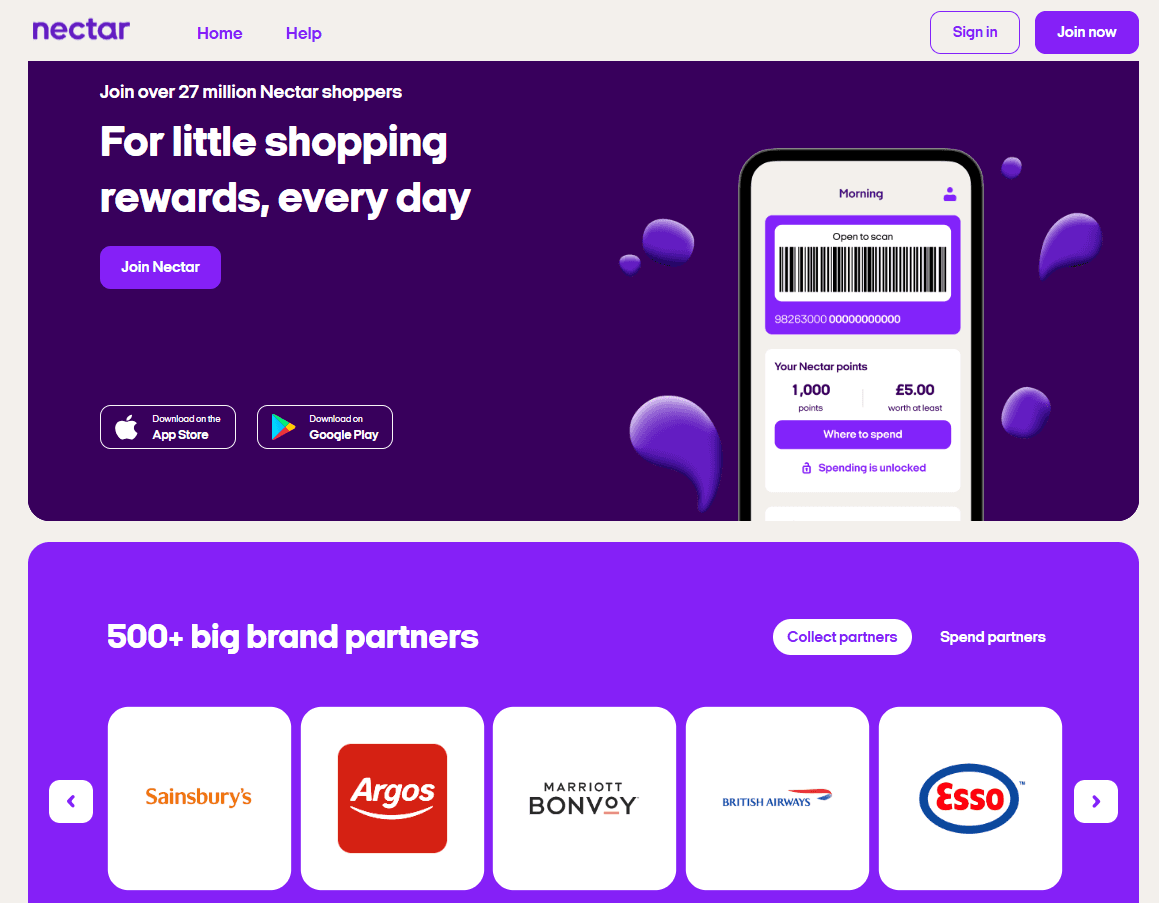
Partner integrations add cost but also value. Coalition loyalty programs – like Nectar, PAYBACK, AirMiles, or OneWorld – that let members earn and redeem across multiple brands require integration work, shared revenue arrangements, and coordinated marketing. The payoff: broader appeal and faster point accumulation that drives engagement.
Multi-location and multi-brand operations compound complexity. Running separate loyalty programs for different markets or brands means duplicate setup, management, and marketing costs.
How to Calculate Your Loyalty Program Cost
Moving from concepts to concrete numbers requires a structured calculation process.
Step 1: Estimate Member Adoption and Engagement
Start by forecasting how many customers will join your loyalty program and how actively they’ll participate.
If you have 50,000 annual customers and loyalty programs typically see 40-60% enrollment rates, you might expect 20,000-30,000 members in year one. Research from Bond Brand Loyalty shows the average American consumer belongs to 18 loyalty programs, so competition for attention is real.
Next, estimate your active participation rate. Across all loyalty programs, the average annual activity rate is 59%. This means just over half of members make at least one purchase annually. Your historical data (if you have it) provides better guidance than industry averages.
For our clients, mission-based engagement typically delivers 40-60% higher completion rates compared to traditional “earn on purchase” models. When you create clear goals, users want to achieve – complete onboarding, refer a friend, hit a usage milestone – engagement rises substantially.
Step 2: Project Reward Liability and Redemption Rates
With member and activity estimates in hand, calculate your reward costs.
Follow this methodology:
Calculate total points earned: (Active members) x (Average annual spend) x (Points per dollar)
Convert to dollar liability: (Total points) x (Dollar value per point)
Apply redemption rate: (Dollar liability) x (Redemption rate)
Example: 10,000 active members spending $200 annually, earning 10 points per dollar (20,000 points per member, 200 million total). At $0.01 per point with 15% redemption, annual reward cost is $300,000.
Factor in expiration rules (points expire after 12 months?) and breakage (points never redeemed, typically 50-70% according to program owners surveyed).
Don’t forget promotional points. Double-points weekends, signup bonuses, and referral rewards add to liability. Budget an additional 10-25% above baseline calculations for promotional activity.
Step 3: Budget for Loyalty Platform, Team, and Marketing
Add your fixed and semi-variable costs.
Platform: If your chosen customer loyalty platform runs $500/month for your tier, that’s $6,000 annually. Note that you don’t have to pay any fees to get started with Enable3 and determine whether you need a DFY setup, while many competitors have a setup price of $100-1,000.
Labor: If a marketing manager earning $80,000 dedicates 10% time to the loyalty program, allocate $8,000 in labor costs. Customer support might add $2,000-5,000 monthly ($24,000-60,000 annually), depending on volume.
Marketing: Budget $4,000-8,000 for launch marketing campaigns, then $1,500-3,000 monthly for ongoing promotion ($18,000-36,000 annually).
Step 4: Calculate a Total Annual Cost and Cost per Active Member
Sum everything to get the total annual loyalty program cost:
Reward liability: $300,000
Platform fees: $6,000
Labor: $8,000
Customer support: $24,000
Marketing: $20,000
Total: $358,000
Now divide by active members to get cost per active member: $358,000 ÷ 10,000 = $35.80 per active member annually.
This per-member cost becomes your benchmark for ROI analysis. If each active member generates more than $35.80 in incremental profit, your program is profitable.
From Cost to ROI: Running a Loyalty Program Cost-Benefit Analysis
Calculating costs is only half the equation. Understanding return transforms loyalty from an expense into an investment decision.
Connecting Loyalty Costs to CLV Lift, Retention, and Incremental Revenue
The business case for loyalty programs rests on three pillars:
1. CLV lift
According to Forbes, a 7% increase in brand loyalty can result in an 85% increase in customer lifetime value. Members spend more per transaction (56% of loyalty members increase spending to maximize points, according to Deloitte), purchase more frequently, and remain customers longer.
2. Retention improvement
Increasing retention by just 5% can boost profits 25-95%, as noted earlier. Starbucks achieves a 44% retention rate compared to the industry average of 25%. If your customer loyalty program improves retention to 30%, you’re in profitable territory.
3. Incremental revenue
The top-performing loyalty programs boost revenue from active redeemers by 15-25% annually, according to McKinsey. Members of loyalty programs generate 12-18% more incremental revenue growth per year than non-members. If those 10,000 active members in our earlier example spend $200 annually as non-members, a 20% lift means an additional $400,000 in revenue. Against $358,000 in costs, you’re seeing positive ROI in year one – and the gap widens as the program matures.
Scenario Modeling: Conservative, Base, and Growth Cases
Build three scenarios to understand the range of possible outcomes.
Conservative case: Assumes lower enrollment (40%), lower engagement (50% activity), modest spending lift (10%), and higher redemption (25%). This stress-tests your loyalty program under challenging conditions.
Base case: Uses realistic assumptions: 50% enrollment, 59% activity rate, 15-20% spending lift, 15-20% redemption. This represents your expected outcome.
Growth case: Applies optimistic but achievable targets: 60% enrollment, 70% activity, 25%+ spending lift.
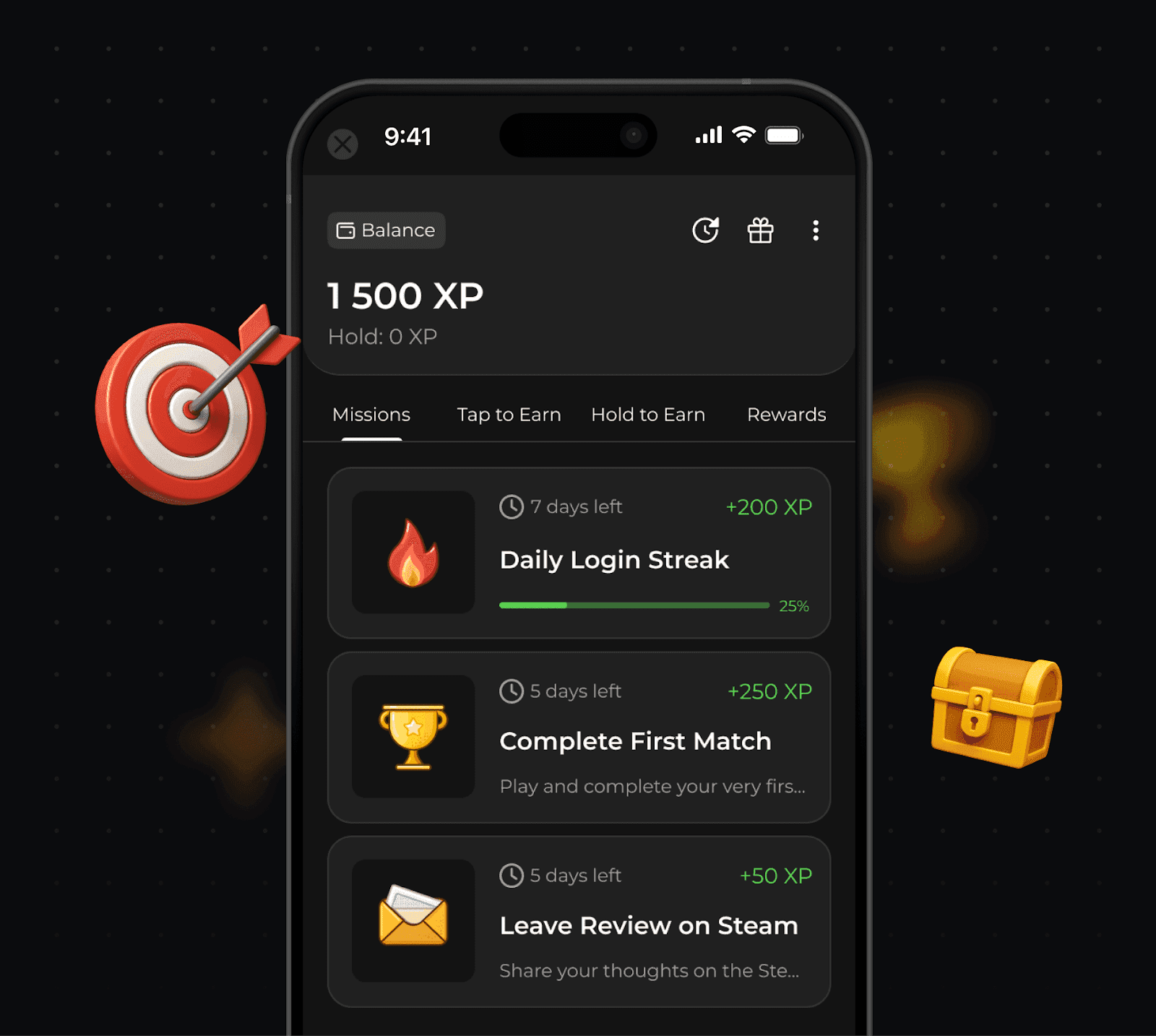
Enable3’s clients typically track closer to growth case scenarios due to gamified mission-driven engagement. One fintech client saw a real spike in reactivation rates by creating a “dormant high-value” segment and targeting them with personalized missions.
Understanding Payback Period and When Loyalty Becomes Profitable
Most loyalty programs don’t show positive ROI during the first year. And that’s okay. Loyalty program members need time to accumulate points and begin redeeming rewards. Initial investment in platform setup, marketing, and member acquisition happens upfront, while revenue benefits compound over time.
Typical payback periods run 12-18 months for well-designed programs. If your program isn't showing a positive trajectory by month 18, examine your reward structure, member experience, and marketing effectiveness.
Build vs Buy: Comparing In-House and SaaS Loyalty Program Costs
The build-or-buy decision fundamentally shapes your loyalty program cost structure and risk profile.
True Cost of Building a Custom Loyalty Solution
Custom development sounds appealing – complete control, no vendor dependencies, exact feature matching. But the true costs are substantial:
Initial development: $100,000 to $500,000 or more, depending on complexity.
Timeline: 6 to 18 months before launch.
Ongoing maintenance: 20% to 30% of the original build cost annually.
Integration updates: Every time your ecommerce platform, POS, or CRM changes, your loyalty system needs updates.
Opportunity cost: Revenue lost during extended development cycles.
Custom builds also require specialized talent. Finding and retaining developers who understand both loyalty mechanics and your technology stack is challenging and expensive.
When SaaS Platforms Reduce Total Cost of Ownership
SaaS platforms like Enable3 offer a fundamentally different value proposition:
Predictable costs: Monthly or annual subscription fees are known in advance.
Rapid deployment: Launch in days or weeks, not months or years.
Built-in features: Points, tiers, referrals, gamification, and analytics come standard.
Automatic updates: New features and security patches deploy without your involvement.
Scalability: Pricing scales with your business rather than requiring infrastructure rebuilds.
For most businesses, SaaS platforms deliver lower total cost of ownership over a 3- to 5-year period. The math changes only for very large enterprises with highly unique requirements and dedicated engineering resources.
3–5-year TCO comparison and hidden build costs
Compare the total cost of ownership across a realistic timeframe:
Custom Build (5 years):
Initial development ($120,000) + maintenance ($120,000) + feature additions ($90,000) + integrations ($40,000) = $370,000
SaaS Platform (5 years):
Setup ($0) + platform fees ($150,000) + integrations ($10,000) = $160,000
The $210,000 difference represents capital for other investments. Hidden costs favor SaaS even more – custom builds carry technical debt, require ongoing security updates, and often need expensive rewrites as technologies evolve.
Controlling Costs Without Sacrificing Program Value
Smart program design keeps costs manageable while maintaining member engagement.
Design Profitable Earn-and-Burn Economics from Launch
Your earn rate (how quickly customers accumulate rewards) and burn rate (how valuable those rewards are) must align with your margins. A common mistake is setting generous earn rates during launch excitement, then facing unsustainable liability as the program matures.
Model your economics before launch. If customers earn rewards faster than your margins support, you’ll either erode profitability or need to devalue points – which destroys trust.
Enable3’s configurable rules engine lets you test different earn rates across segments. The platform’s real-time analytics show immediately if redemptions exceed forecasts, letting you adjust before costs spiral.
Use Reward Caps, Expiration, and Tier Thresholds Strategically
Several mechanics help control costs without eliminating value:
Points expiration: Points that expire after 12 to 18 months reduce outstanding liability. Communicate expiration clearly to maintain trust.
Earning caps: Limiting points earned per transaction or per period prevents extreme accumulation by heavy users.
Redemption thresholds: Requiring minimum point balances before redemption reduces small-value redemptions that carry disproportionate processing costs.
Tiered benefits: Concentrating expensive benefits at higher tiers reserves them for your most valuable customers while offering lighter benefits to the broader base.
Leverage Data to Optimize Rewards and Reduce Waste
Analytics reveal which rewards drive behavior and which represent waste. If 80% of redemptions cluster around one reward while others go unused, simplify your catalog.
Track which missions, challenges, and rewards correlate with increased purchase frequency and higher order values. Double down on what works and eliminate what doesn’t.
How Enable3 Helps You Launch Faster and Control Costs
Loyalty platform choice significantly impacts both initial investment and ongoing costs.
Fixed Platform Pricing vs Unpredictable Build Costs
With Enable3’s freemium model and Pro packages, you know exactly what you’re paying. There are no surprise development costs, no maintenance overruns, and no integration failures that delay launch by months.
Pre-Built Features that Reduce Development Time and Risk
Enable3 comes with missions, referral programs, rewards and redemption, gamification mechanics, and segmentation capabilities built in. These aren’t features you need to spec, design, build, and test – they’re available immediately.
The platform supports low-code, no-code, and API integration options, accommodating both non-technical teams who need to launch quickly and engineering teams who want deeper integration.
Analytics that Help Optimize Spend and Prevent Cost Creep
Real-time analytics on member behavior, point activity, and redemption patterns make it possible to optimize continuously. Instead of discovering cost problems at quarter-end, you can identify and address issues as they develop.
The platform’s segmentation capabilities allow you to target rewards more precisely, ensuring you’re investing in behaviors that drive business outcomes rather than subsidizing non-incremental activity.
Conclusion: Treat Loyalty as a Controllable Growth Investment
The loyalty program costs are real and require disciplined management. But the framing matters. Loyalty isn’t an expense to minimize – it’s an investment to optimize.
The data is clear: well-run loyalty programs generate 5X returns, drive 12% to 18% incremental revenue growth, and create retention rates that far exceed industry averages. Brands like Starbucks, Sephora, Nike, and Amazon have built competitive moats around their loyalty ecosystems.
Your goal is to capture these benefits while maintaining sustainable economics. That means understanding your cost drivers, projecting liability accurately, choosing the right technology approach, and measuring outcomes rigorously.
Whether you’re launching your first program or replacing an underperforming one, the principles are the same: start with clear objectives, design economics that work at scale, and optimize continuously based on data.
Enable3 provides the tools to execute this strategy efficiently – from rapid launch to ongoing optimization – without the cost overruns and delays that derail custom development projects.
Frequently Asked Questions
How much does a loyalty program cost for a small or mid-sized brand?
For small to mid-sized brands, total first-year loyalty program costs typically range from $2,500 to $50,000, depending on scope and platform choice. A basic software subscription runs $50-500 monthly. Add rewards (1-3% of member revenue), marketing ($2,000-8,000 for launch plus $1,500-3,000 monthly), and staff time. Total costs depend heavily on your customer base size and program complexity.
What percentage of revenue should you allocate to loyalty costs?
Industry benchmarks suggest allocating 1% to 5% of annual revenue to total loyalty program costs, with the specific percentage depending on your industry margins and business model. Supermarkets typically spend 1% to 1.5%, while other retail categories may reach 2% to 5%. Hotels average about 1.5% of operating revenue. Your gross margin should be the primary constraint – higher-margin businesses can afford more generous programs.
Are points-based programs more expensive than tiered programs?
Points-based programs typically have higher variable costs (reward liability) but lower complexity costs. Tiered programs add administrative complexity and potentially expensive top-tier benefits, but can concentrate costs on your most valuable customers. The most cost-effective approach often combines both – a points foundation with tier thresholds that unlock additional benefits for high-value members.
How often should you review loyalty program cost and ROI?
Review costs and ROI at minimum quarterly, with monthly monitoring of key metrics like redemption rates and cost per active member. Major program adjustments should follow annual reviews that assess overall program performance against objectives. However, if you notice unusual patterns – sudden spikes in redemption or declining engagement – investigate immediately rather than waiting for scheduled reviews.
Can you reduce loyalty costs without hurting member engagement?
Yes, through several approaches: optimizing your reward catalog to eliminate underperforming options, implementing points expiration with clear communication, using tiered benefits to concentrate expensive perks on high-value members, and leveraging data to target rewards more precisely. The key is making changes that improve efficiency without reducing perceived value. Testing changes with segments before full rollout helps identify unintended consequences.