Loyalty

You spend millions getting your product on the shelf. Customers pick it up, buy it, and you never hear from them again. No email. No purchase history. No idea if they’ll come back next week or switch to a competitor offering a 50-cent discount.
This is the reality for most CPG brands. Retailers own your customer data. Private labels are eating your market share.
The brands winning this fight aren’t waiting for retailers to share data. They’re building direct relationships through CPG loyalty programs – and the results speak for themselves. General Mills added 2 million customers in six months through their Good Rewards program. Members bought 1.5x more products than non-members. That’s not incremental improvement – that’s a fundamental shift in how CPG brands connect with customers.
We’ll cover what’s working, what’s not, and how to build a loyalty program that actually moves the needle for your brand.
What are CPG and FMCG Loyalty Programs?
A CPG loyalty program rewards customers for buying your products regardless of where they shop. But since you don’t own the checkout, you need another way to track purchases. That’s typically receipt uploads, QR codes on packaging, or unique codes printed inside the box.
The terms CPG (Consumer Packaged Goods) and FMCG (Fast-Moving Consumer Goods) are often used interchangeably. While CPG is preferred in North America and acts as a broader category for all packaged goods, FMCG is more common in Europe/Asia, referring specifically to the fastest-turning, lowest-cost, high-volume, and frequently replenished items. But both refer to products consumers buy frequently and replace often – everything from breakfast cereal to shampoo to laundry detergent.
Here’s why loyalty programs matter in this space: Symphony AI found that only 18% of shoppers are truly brand loyal. But that 18% generates 41% of sales. They also stick with preferred brands across different product categories. Loyalty programs help you identify, reward, and retain those high-value customers before competitors steal them.
How CPG Loyalty Programs Differ from Retail Loyalty Schemes
Tesco knows exactly what you bought, when you bought it, and how often you come back. As a CPG brand selling through Tesco, you’re flying blind. You see aggregate shipment data. You might get some anonymized scanner data. But you don’t know your customers as individuals.
Retail Loyalty | CPG Brand Loyalty | |
Data access | Immediate – they own the register | Zero – unless customers share it |
Purchase tracking | Automatic at checkout | Requires receipt scan, QR, or code entry |
Customer relationship | Direct billing relationship | No direct connection |
Where rewards work | That retailer only | Any store carrying your products |
Program visibility | Promoted at checkout | Requires marketing investment |
This gap is exactly why CPG loyalty programs exist. They create a direct line to customers that doesn’t depend on retailer cooperation.
Why FMCG Loyalty Programs Focus on Brand-Level Relationships
Unilever, L’Oréal, Nestlé, Coca-Cola, and other major players are building direct consumer relationships outside the retail channel. Not because they don’t value their retail partners, but because they can’t build a data-driven business without knowing their customers.
When you sell through retailers, you’re renting access to customers. You pay for shelf space. You pay for promotional placement. But the retailer owns the relationship and the data. Loyalty programs flip that equation. They let you own the customer relationship directly.
Key Challenges for CPG Brand Loyalty
Low Switching Costs and Constant Promotion Wars
Your product sits on a shelf next to 15 competitors.
Price difference: maybe a dollar.
Switching cost for the customer: zero.
Customers don’t have to cancel anything or change habits. They just grab a different box.
McKinsey research shows 75% of consumers have changed their shopping behavior recently – trying new stores, new brands, new products. Inflation pushed shoppers toward private labels. Supply chain disruptions forced the trial of alternatives. And once they switch, getting them back costs more than keeping them would have.
The natural response is discounting. But discounting your way out is a losing strategy. You train customers to wait for sales. Margins shrink. Brand equity erodes. You’re stuck racing to the bottom against retailers’ own private labels.
Loyalty programs offer an alternative. Instead of competing on price alone, you compete on relationship. The customer earning points thinks twice before switching, even when a competitor offers a temporary deal.
Limited Direct Data When Selling Through Retailers
CPG companies now use an average of 18 different data sources to understand consumer behavior – up from 10 just two years ago. That fragmentation creates blind spots. You might know aggregate sales by region. But you don’t know that Sarah in Chicago buys your cereal every Tuesday and would probably try your new granola bars if someone told her.
Without first-party data, personalization is guesswork. You run the same promotion to everyone – loyal customers who would have bought anyway, lapsed customers who need a nudge, and people who will never buy, no matter what. That’s inefficient at best and margin-destroying at worst.
A loyalty program changes this. Every enrolled customer becomes a known individual. Every purchase becomes a data point. Over time, you build a picture of behavior that lets you treat different customers differently.
Fragmented Journeys Across Channels and Markets
Your customer buys online on Monday, in-store on Wednesday, and through Instacart on Friday. Same person. Same products. Three disconnected data streams.
The payoff for getting this right is significant: omnichannel shoppers generate 15-18% more sales with 9% larger basket sizes compared to single-channel shoppers. A majority of US and European households (71%) shop across multiple channels. These are your best customers, and they’re the hardest to track without a unified loyalty program.
Core Mechanics of CPG Loyalty Programs
Earn and Burn in a World Without Your Own Checkout
No register means you need another verification method. Three approaches dominate:
Receipt Uploads
The customer photographs their receipt, your system reads it. General Mills pulls 62 million lines of data per day through their Fetch partnership.
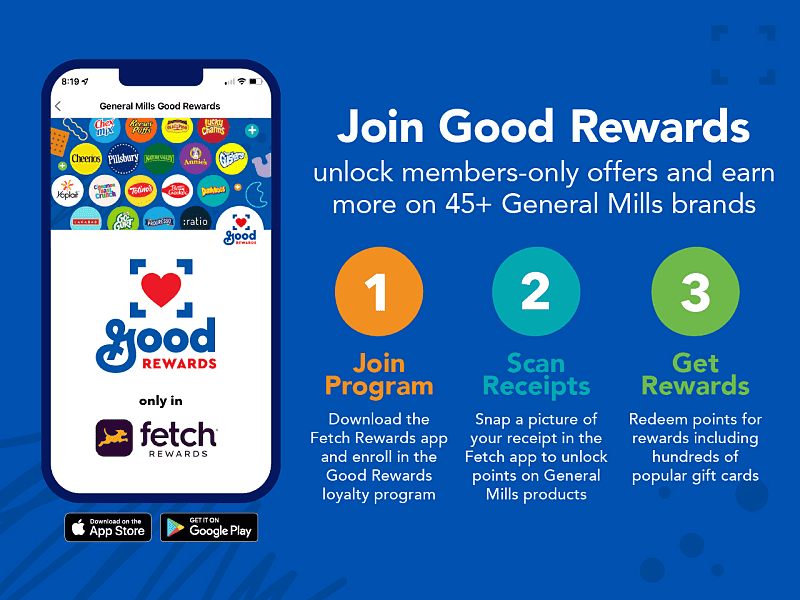
The advantage: receipts capture your products plus everything else in the basket, giving you competitive intelligence.
The disadvantage: friction.
QR Codes on Packaging
The customer scans a code and gets credit instantly. L’Oréal saw a 7% conversion rate and 80% increase in app downloads from QR-based promotional campaigns.
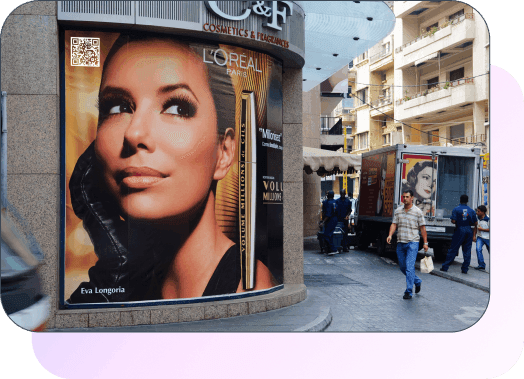
The advantage: speed and simplicity.
The disadvantage: requires customers to engage at the moment of consumption.
Codes on Pack
A unique code printed under the cap or inside the box. Coca-Cola built Sip & Scan around this.
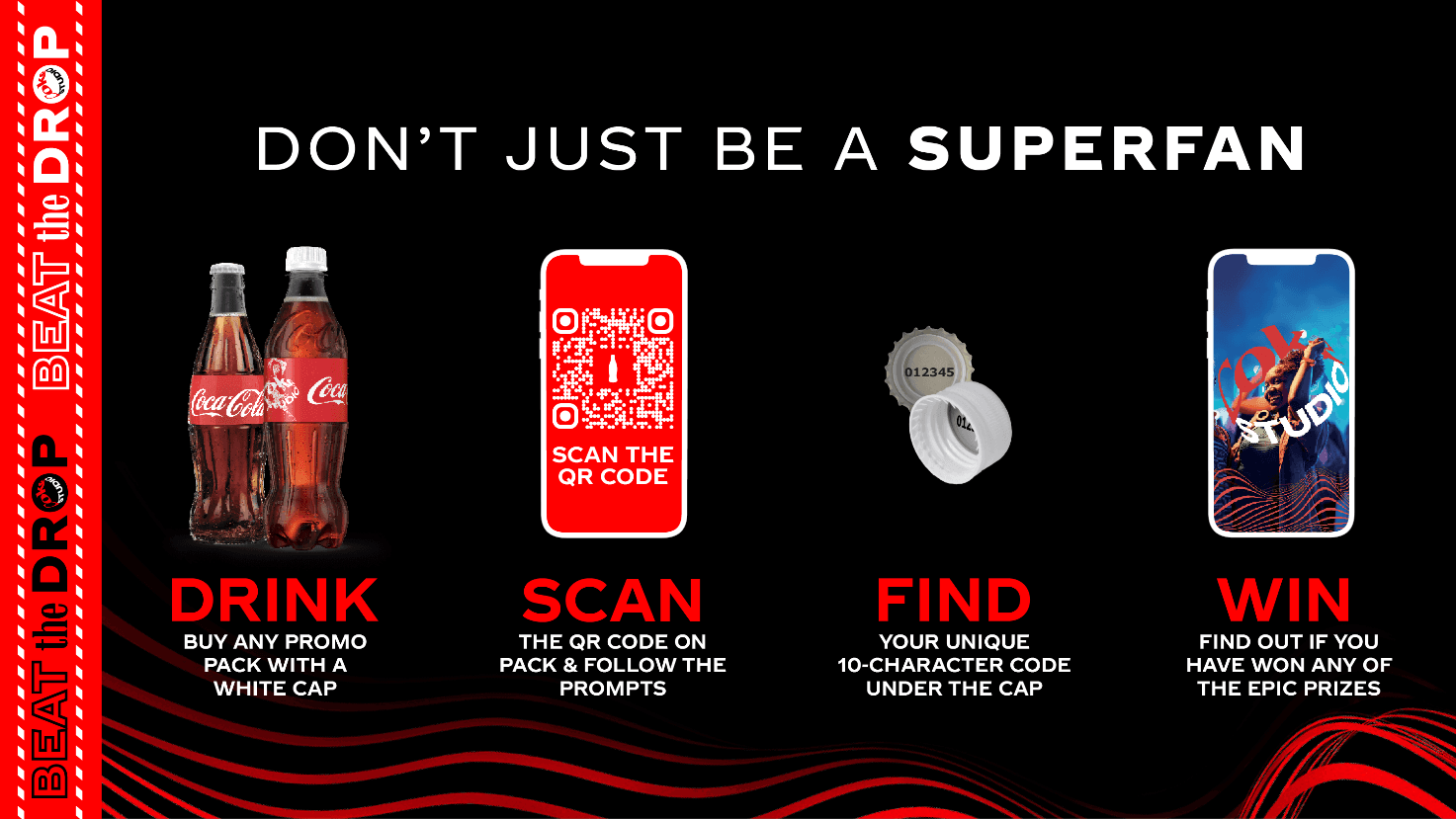
The advantage: codes are tamper-evident and verifiable.
The disadvantage: requires printing changes and manual code entry.
Most sophisticated loyalty programs combine methods. Receipts for comprehensive data. QR codes for quick engagement. On-pack codes for specific promotions.
CPG Rewards Programs That Work Across Multiple Retailers
Reckitt Benckiser Schiff Rewards accepts product codes from any retailer. Buy at Walmart, CVS, or Amazon – doesn’t matter. You get rewards.
This retailer-agnostic approach is critical. Your customers don’t think in channels. They think about convenience. If your loyalty program only works at one retailer, it’s not really a brand loyalty program; it’s a co-op marketing expense.
General Mills found that when they ran a Pillsbury promotion with a recipe, receipt data showed 36% of buyers also purchased the other three recipe ingredients. That cross-basket insight only comes from seeing the full receipt – something no single retailer would share.
Using FMCG Loyalty Programs to Build Long-Term Habit
Points and discounts get people in the door. Habits keep them coming back.
83% of consumers say loyalty membership influences their purchase decisions. Members who redeem personalized rewards spend 4.5x more annually. These aren’t marginal improvements – they’re transformational differences in customer value.
What separates good loyalty programs from great ones: great programs make buying your product part of the customer’s routine, not just a transaction they’re occasionally rewarded for. They use mechanics – streaks, challenges, tiers – to reinforce behavior until it becomes automatic.
How to Build Loyalty for CPG with QR Codes and Packaging
How to Build Loyalty for CPG QR Codes on Packs and Receipts
QR codes have gone from gimmick to essential infrastructure. The pandemic normalized scanning codes for everything. Customers no longer hesitate – they pull out their phone and scan.
The brands using QR codes well create genuine reasons to scan:
Approach | Why It Works | Example |
Instant rewards | Immediate gratification drives scans | “Scan for 50 bonus points” |
Exclusive content | Creates value beyond discounts | Recipes, tutorials, behind-the-scenes |
Gamification | Makes scanning feel like playing | Sweepstakes, instant-win games |
Traceability | Builds trust through transparency | Farm-to-table journey, sourcing info |
Community access | Connects customers to something bigger | VIP groups, early product access |
For example, Coca-Cola’s codes unlock gamified experiences and sweepstakes entries. Nestlé’s codes provide recipes and supply chain transparency. FrieslandCampina uses codes for both engagement and product traceability, letting consumers see the grass-to-glass journey.
Connecting Offline Purchases to Digital CPG Loyalty Journeys
The Smalls cat food brand put QR codes on subway ads in New York. Commuters scan, land on the website, and what was a static ad becomes an interactive touchpoint. The advertising spend that used to end at awareness now extends to conversion.
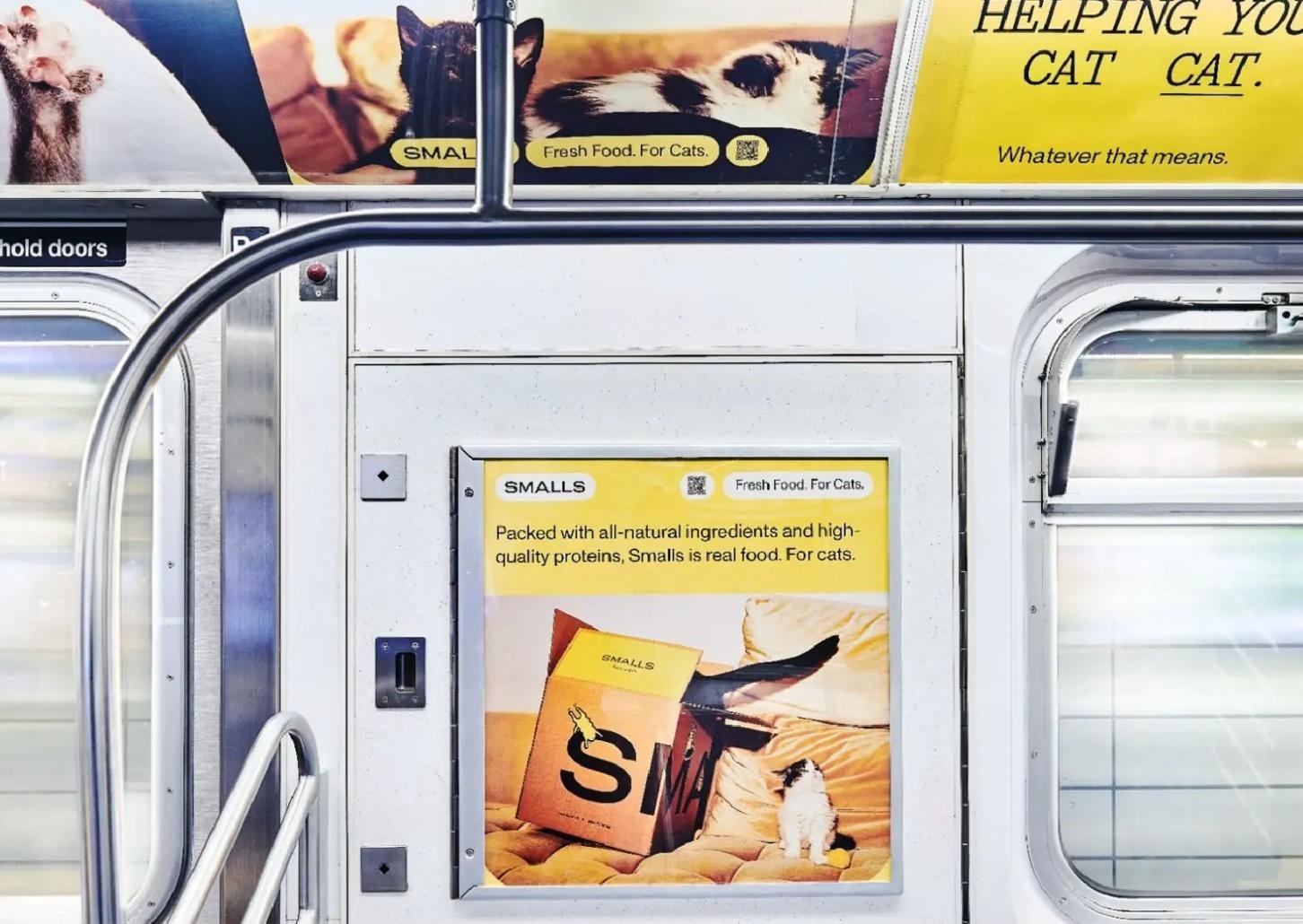
This thinking works for CPG brands: every physical touchpoint is an opportunity to start a digital relationship. Packaging. Shelf talkers. Transit ads. In-store displays. Each can carry a code that captures a customer.
Avoiding Friction When Customers Scan and Register
Every step in your signup process loses people. A flow that asks for name, email, phone, address, birthday, and preferences before delivering any value will hemorrhage potential members.
What works instead:
Email only to start: one piece of data. Immediate value delivered.
Progressive profiling: collect more information over time through engagement.
Mobile-first design: 60% of loyalty members prefer apps.
Auto-fill wherever possible: use OCR to read receipts instead of manual entry.
Welcome rewards immediately: points that show up instantly. A discount code that works now.
Best Features of FMCG and CPG Loyalty Program
Simple Sign-Up Flows and Low-Friction Participation
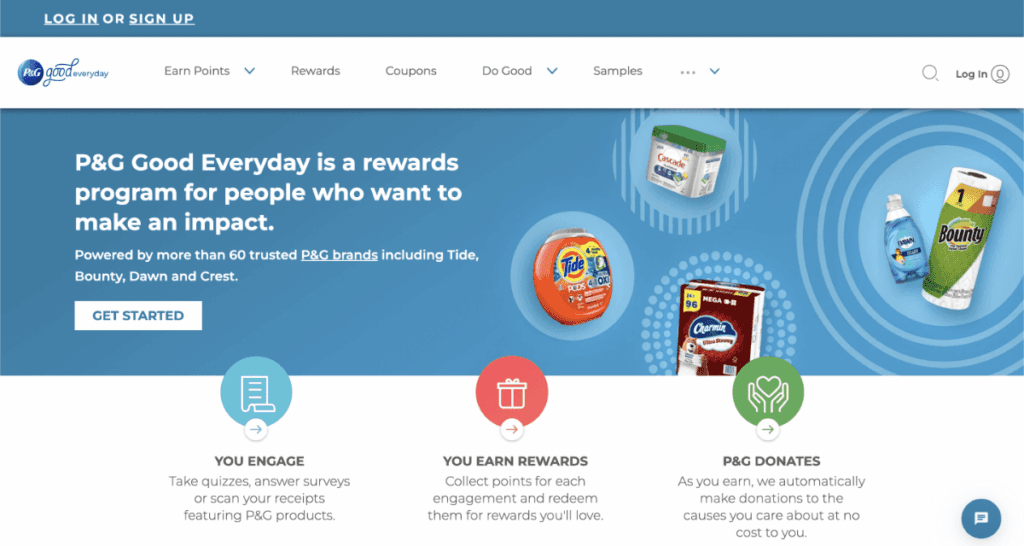
P&G Good Everyday lets members earn through purchases, surveys, and engagement activities. Multiple earning pathways mean customers participate when fits their behavior – not just when they’re buying.
The program doesn’t demand receipts before delivering value. New members earn immediately through content engagement, building the habit of program interaction before purchase validation becomes expected.
Contrast with loyalty programs requiring high effort for every interaction. L'Oréal’s Worth It Rewards asks customers to photograph and upload receipts each time. Works for committed fans. Loses everyone else.
Rewarding Everyday Purchases, Not Just Big Baskets
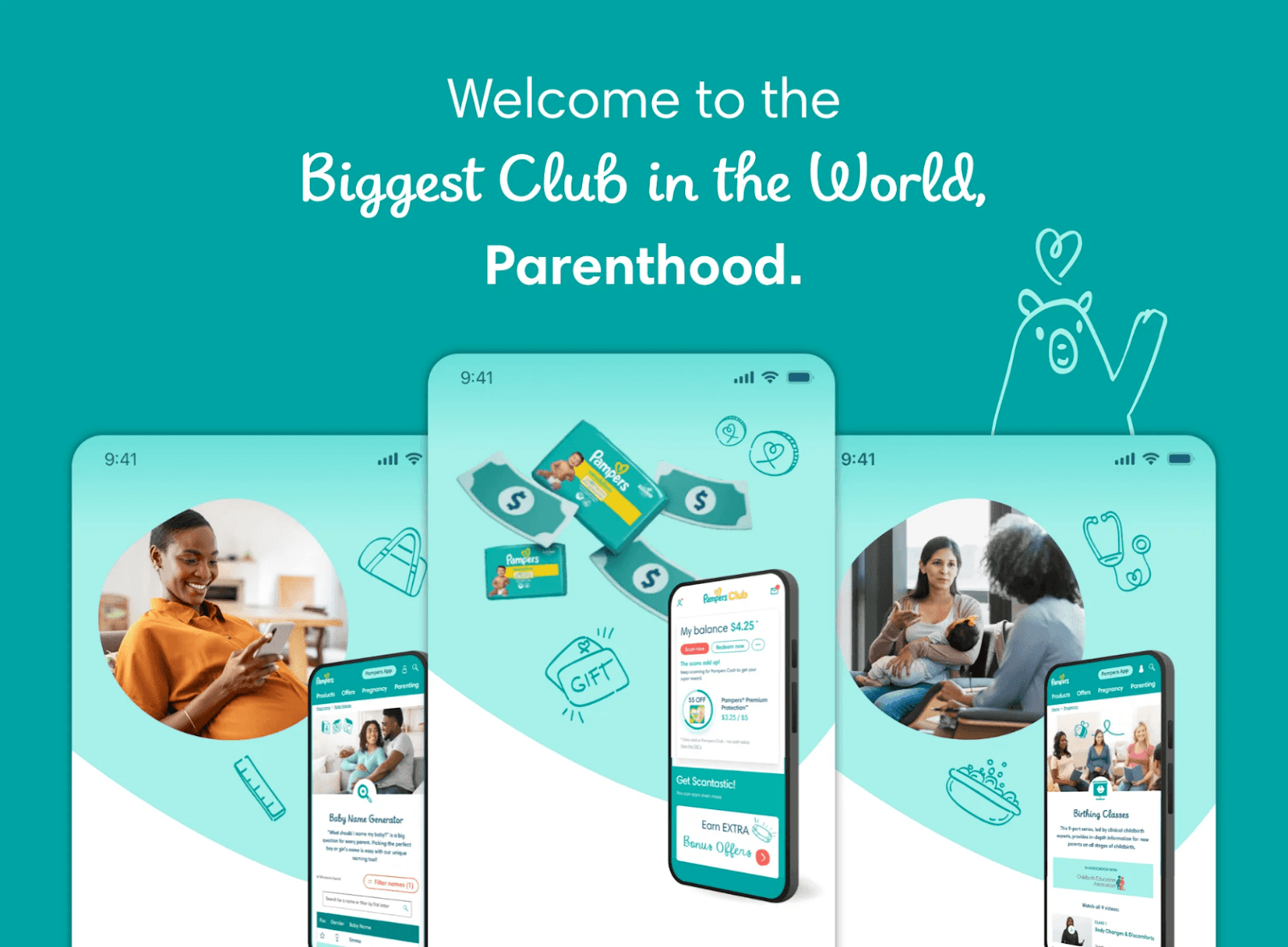
Diapers aren’t a big-ticket purchase. But Pampers customers buy them constantly. Pampers Club rewards that frequency – small point values on regular purchases that accumulate into meaningful rewards over time.
The psychology works because it matches how customers buy FMCG products. Nobody stockpiles a year’s worth of snacks to hit a spending threshold. They buy a little bit, often. Loyalty programs designed for big baskets miss the reality of FMCG purchasing.
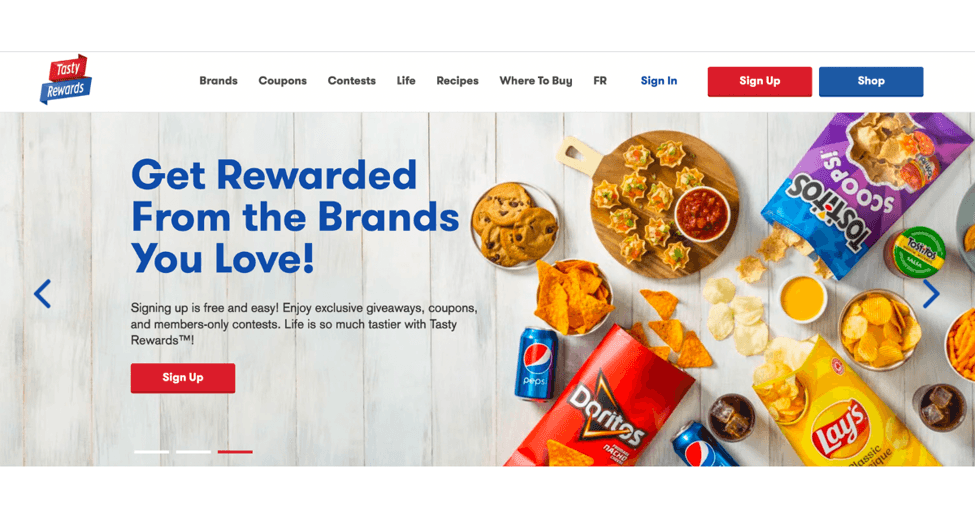
PepsiCo Tasty Rewards applies this across their portfolio. Buy chips, earn points. Buy soda, earn points. The accumulation feels effortless because it’s tied to existing behavior.
Community, Education, and Brand Storytelling
44% of consumers are more likely to recommend brands they feel emotionally connected to. Younger demographics especially want brands that share their values.
Coca-Cola built charitable giving into its Give. Points go to Boys and Girls Clubs, the USO, or Special Olympics. The customer choosing to donate transforms the program from transactional to values-based.
Nestlé Good Life includes wellness tips, fitness challenges, and nutrition advice alongside traditional rewards. The program becomes useful between purchases – not just transactional at the point of sale.
Examples of the Best CPG Loyalty Programs
Let’s recap the standout CPG loyalty programs highlighted in this guide – the programs that are not only comprehensive but also remarkably effective at driving millions in profit and cultivating lasting customer relationships.
Household Brands Using Codes and Receipts to Reward Shoppers
Coca-Cola Sip & Scan
The program that proved CPG loyalty at scale. Customers scan unique codes on bottles, cans, and packaging to earn coins and gems. The gamification element transforms a simple purchase into an experience – seasonal campaigns, limited-time challenges, and instant-win moments give customers reasons to keep scanning.
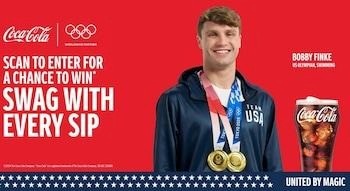
Redemption options include sweepstakes entries, concert tickets, branded merchandise, and charitable donations. The charitable option lets values-driven customers participate in ways that feel meaningful beyond personal benefit.
P&G Good Everyday
Procter & Gamble spans dozens of brands across multiple categories – from Tide to Pampers to Gillette to Olay. Good Everyday unifies them under a single loyalty umbrella. Buy any P&G product, scan the receipt, earn points.
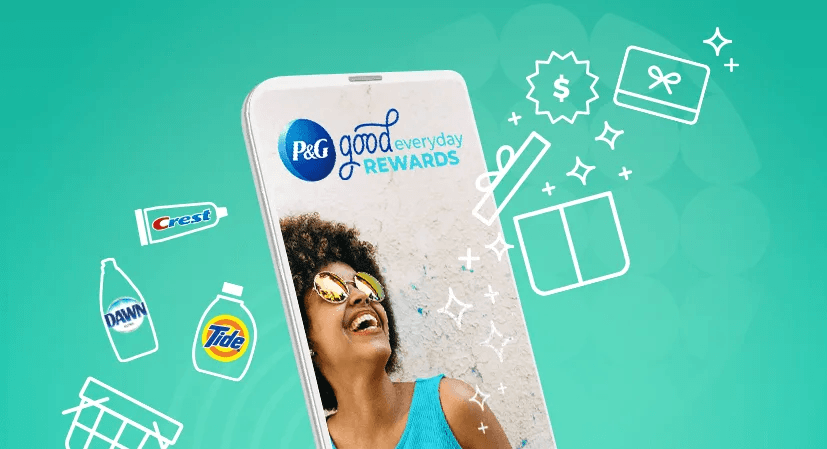
But the program goes further. Points also come from surveys, quizzes, and engagement activities – providing multiple earning pathways that keep customers active between purchases. Redemption options include personal rewards and charitable donations, appealing to both deal-seekers and cause-driven customers.
General Mills Good Rewards
The case study everyone references. Launched through the Fetch app to leverage its existing user base and receipt-scanning infrastructure. Covers 45+ brands including Cheerios, Betty Crocker, Pillsbury, Nature Valley, and Yoplait.
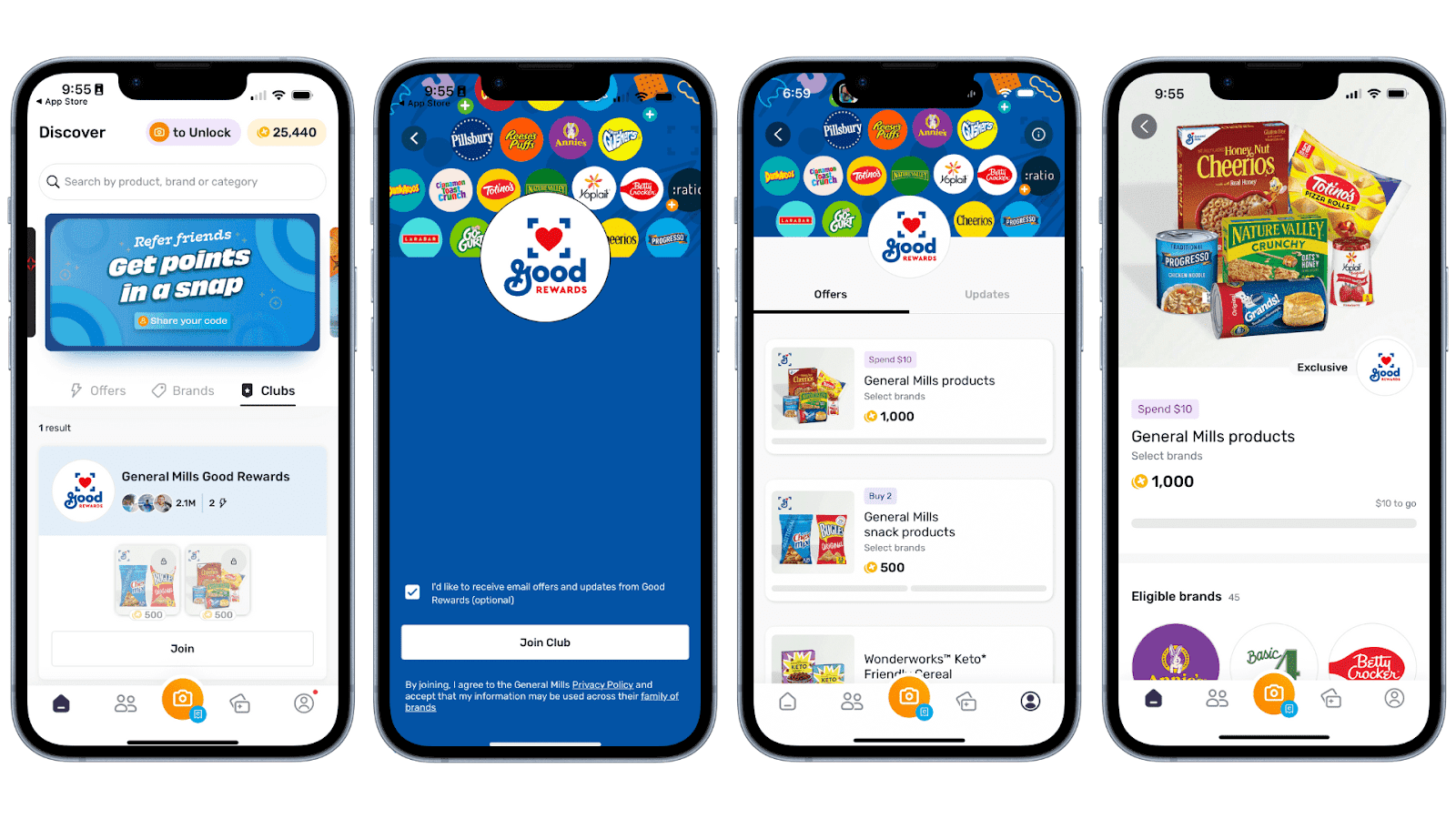
The receipt data revealed insights traditional research couldn’t – including that Hispanic households over-indexed in program participation, flagging a growth demographic General Mills might otherwise have missed.
Food and Beverage CPG Loyalty Examples
Kellogg’s Family Rewards
Points from receipt uploads plus engagement activities. Redemption for discounts, gift cards, merchandise. Family positioning aligns rewards with household reality.
PepsiCo Tasty Rewards
Cross-portfolio program covering Pepsi, Lay’s, Doritos, and Quaker. Twice-monthly coupons, sweepstakes entries, exclusive recipes. The breadth creates multiple touchpoints.
Nestlé Good Life
Combines purchase rewards with wellness content. Healthy lifestyle challenges earn points. Redemption includes wellness merchandise. Positions Nestlé as a health partner.
Beauty, Personal Care, and Niche CPG Rewards Programs
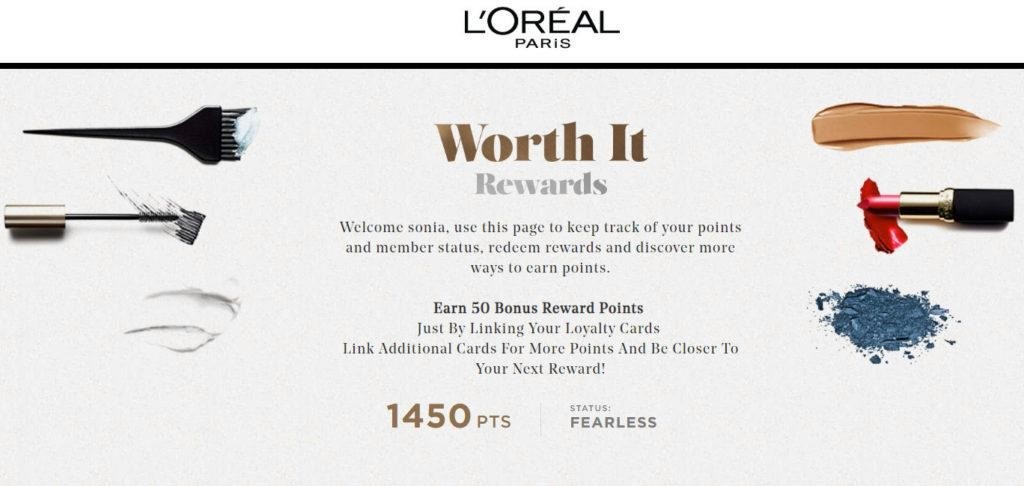
L’Oréal Worth It Rewards
Receipt uploads credit purchases across all retailers – Sephora, Ulta, Target, Amazon. Every sale, regardless of where it happens, builds a relationship with L’Oréal directly.
Pampers Club
Designed for busy parents. Scan receipt, earn points, redeem for baby gear. Parenting tips add utility beyond transactions.
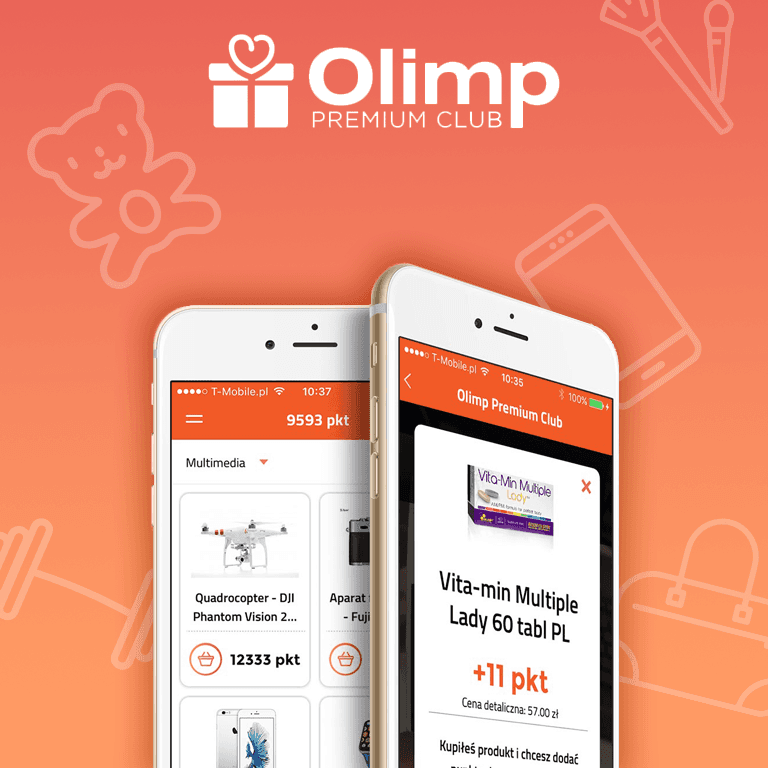
Olimp Labs Premium Club
European supplements brand moved from mail-in coupons to app-based QR scanning. Every package has a unique code. Instant data instead of weeks of waiting.
Designing a CPG Loyalty Program Strategy
Set clear Objectives for CPG Loyalty and Data Capture
“Increase loyalty” isn’t measurable. These metrics are:
Metric | What It Measures | Realistic Target |
Enrollment rate | Program appeal | 15-25% of target customers |
Active rate | Ongoing engagement | 40-60% transacting in 90 days |
Purchase lift | Revenue impact | 20-30% higher vs. non-members |
Data capture | Profile completeness | 70%+ with email + purchase history |
Redemption rate | Perceived value | 60-80% of points used |
General Mills tracks three KPIs: user acquisition, buyer engagement, and total number of GM brands purchased per member. That last metric shows whether the program drives cross-portfolio behavior – not just rewards existing habits.
Decide on Reward Mix: Discounts, Causes, Content, and Experiences
Discounts drive short-term behavior. Experiences and values drive loyalty. The winning formula combines both:
Monetary: Coupons, cashback, free products – gets people in the door.
Experiential: Concert tickets, VIP access – creates memories and differentiation.
Charitable: Donations to causes – builds emotional connection.
Content: Recipes, tutorials – adds utility between purchases.
Status: Tiers, badges, early access – taps social motivation.
Coca-Cola offers all five reward types. That breadth means different customers find different reasons to engage.
Plan Retailer Partnerships and On-Shelf Visibility
Your loyalty program can complement retailer programs. In-store displays promoting signup. Joint campaigns where points stack. Exclusive offers for specific retailers. Shelf talkers with QR codes for instant enrollment.
General Mills uses their Fetch data to understand which retailers their best customers prefer, then allocates trade marketing accordingly. The loyalty program feeds the retail strategy.
Best Tools for Managing CPG Rewards Programs
What to Look for in a CPG Loyalty Platform
Core capabilities of the CPG loyalty system:
multi-method purchase validation (receipts, QR, codes)
flexible rewards
customer segmentation
campaign automation
fraud prevention
analytics, and
integration APIs.
Capabilities for QR Code Campaigns, Codes-on-Pack, and Receipts
Receipt processing: Multi-retailer OCR accuracy, e-receipt parsing, product-level extraction, fraud detection.
QR code management: Dynamic codes that update after printing, serialization for tracking, scan analytics, A/B testing.
Data, Segmentation, and Reporting for CPG Loyalty Programs
Question | Data Required | Action Enabled |
Who are my best customers? | Frequency, basket size, tenure | VIP treatment, retention investment |
What else would they buy? | Cross-category history | Personalized recommendations |
Where do they shop? | Retailer breakdown | Trade spending optimization |
When are they at risk? | Purchase gaps, declining engagement | Win-back campaigns |
What competitors are they buying? | Full basket data | Share defense strategies |
How Enable3 Can Reduce Churn and Improve User Retention
The challenge for CPG brands isn’t just building a loyalty program. It’s building one that actually changes customer behavior in ways that show up in your revenue. Enable3 addresses specific problems CPG and FMCG brands face every day:
Problem #1: Users drop off after their first purchase
A customer buys once, then disappears. You have no way to bring them back because you have no relationship with them. Enable3's event-based missions create retention loops tied to specific actions: “Buy 3 products this month → Earn 500 bonus points.”
Combine with segmentation to personalize triggers based on purchase history and engagement patterns. A lapsed customer gets a win-back mission. An active customer gets a cross-sell mission. Different customers, different nudges – all automated.
Problem #2: No reason to engage between purchases
Your product gets used and forgotten until the next shopping trip. Competitors have a week to steal your customer before they buy again.
Enable3’s Tap to Earn and Hold to Earn mechanics drive daily engagement without requiring transactions. “Check in daily → earn points” creates a habit of opening your app. “Maintain Gold status for 30 days → unlock 2x multiplier” rewards sustained engagement.
These mechanics turn sporadic users into daily active users who think about your brand every day.
Problem #3: Referral programs attract low-quality signups
You offer $10 for every referral. People sign up with spam email addresses to collect the bonus. You pay acquisition costs for customers who never buy.
Enable3’s referral program supports conditional rewards: “Invite a friend who makes their first purchase → 100 points” instead of paying for signups that never convert. Tiered structures – 1, 5, 10 referrals – reward your best advocates.
Quality goes up. Fraud goes down.
Problem #4: Customers stick to minimum purchases
They buy the small size. They buy one at a time. They never try premium products or new launches. Event-based missions tied to spend thresholds address this: “Spend $50 this month → 500 points.” Segment high-value customers for exclusive offers that encourage trading up.
Reward the behavior that grows customer value, not just any purchase.
Problem #5: No organic social content
You spend heavily on advertising because customers don’t talk about you. No user-generated content. No authentic advocacy. Social missions automate trackable engagement – follows, likes, shares on Discord, X, Telegram. UGC missions reward TikTok challenges, Instagram posts, or LinkedIn mentions. “Post a photo with our product → Earn 200 points.”
Authentic customer content costs less than advertising and converts better.
Problem #6: Customers ignore new products
You launch something new. Existing customers don’t notice. You spend acquisition budget marketing to people who already buy from you.
Manual missions educate through quizzes and interactive content. Event-based missions reward trying new features: “Try our new flavor → 150 bonus points.” This drives the adoption of products that increase customer lifetime value.
Enable3 offers low-code, no-code, and API integration paths. You can start with a simple points-for-purchase program and add sophistication as you learn what works. The platform grows with your loyalty program.
Conclusion: Turning CPG Loyalty Programs into a Real Brand Asset
The CPG brands winning today won’t be those with the biggest ad budgets. They’ll be those with the best customer data and strongest direct relationships.
A customer who stays longer, buys more per transaction, and shops across more channels is worth multiples of a one-time buyer.
Building that program means solving the fundamental CPG challenge: you don’t own the checkout. QR codes, receipt scanning, and codes-on-pack bridge that gap. They create a direct connection that doesn’t depend on retailer cooperation or data-sharing agreements that never quite deliver what you need.
But technology is just the mechanism. Strategy matters more. Start with clear goals – what behavior change would justify this investment? Design rewards that create habits, not just transactions. Capture data that informs decisions beyond the loyalty program itself. Choose tools that scale as your ambitions grow.
The brands that figure this out own their customer relationships. The ones that don’t keep renting access from retailers, watching private labels take share, and wondering why their marketing gets less efficient every year.
The data gap isn’t going away. Retailers aren’t suddenly going to share everything they know. The only path forward is building the connection yourself.
Frequently Asked Questions
What is a CPG loyalty program and how is it different from retail loyalty?
CPG loyalty programs reward customers for buying your products regardless of which store they shop at. Since you don’t own the checkout, you verify purchases through receipt uploads, QR codes, or unique codes on packaging. Retail programs give data to the retailer. CPG loyalty programs give data to you – enabling direct relationships across all channels.
Which brands have the best CPG loyalty programs today?
Coca-Cola Sip & Scan sets the standard for gamification and engagement. P&G Good Everyday demonstrates multi-brand scale with cause-based rewards. General Mills Good Rewards added 2 million members in six months with a 1.5x purchase lift. PepsiCo Tasty Rewards unifies beverages and snacks. In Europe, Nestlé Good Life and L’Oréal Worth It Rewards lead their categories.
How can small or emerging FMCG brands use QR codes to build loyalty?
Start simple. QR codes on packaging linking to mobile signup. Instant reward for joining. Unique codes per product to track purchases without complex receipt scanning. Focus on building an email list first. Platforms like Enable3 offer no-code options accessible without enterprise budgets.
What rewards work best in CPG rewards programs?
Mix transactional and emotional rewards. Discounts get people enrolled. Experiences create memories. Charitable giving builds emotional connection. Members redeeming personalized rewards spend 4.5x more annually. Loyalty programs offering only discounts train customers to wait for deals. Loyalty programs offering the meaning create true brand advocates.
What are the best tools for managing CPG rewards programs at scale?
Look for multi-method purchase validation, flexible rewards, segmentation, automation, and fraud prevention. Enable3 provides missions, referrals, and rewards with low-code, no-code, and API options. For receipt processing, tools like Veryfi or Fetch offer enterprise-grade OCR. Choice depends on technical resources and build-vs-buy preference.