Loyalty


Quick Answer: To increase product adoption, reduce the time between a user's first session and their first meaningful success. Define a specific 'aha moment' for your product, remove every step between sign-up and that moment, and use in-app guidance, gamification mechanics, and personalized onboarding to make reaching it feel inevitable. Track activation rate, time-to-value, and Day 30 retention as your leading indicators.
So… You’ve built a product you believe in. You’ve invested months of development, launched advertising campaigns, driven traffic, and watched the sign-ups roll in. The numbers look promising at first. But then reality hits – most users never fully engage with your product. They create accounts, click around for a few minutes, maybe explore one or two features, and then... silence. They’re gone.
It’s more than frustrating. It’s expensive. Every abandoned user represents wasted acquisition costs, lost revenue potential, and a missed opportunity to build something meaningful.
Here’s what actually happens: 95% of new products fail, and the primary reason isn’t poor functionality or weak features. It’s because nobody uses them. Right now, 70% of software features sit unused, and 78% of users admit they lack the expertise to fully use their daily tools. These aren’t just statistics – they’re warning signs about how difficult product adoption has become.
But product adoption isn’t mysterious, and it’s not luck. It’s systematic, measurable, and entirely within your control.
Getting people to adopt your product isn’t just about flashy marketing or aggressive sales tactics. It’s about guiding them through a journey that makes sense, feels valuable at every step, and rewards them for moving forward.
In this guide, you’ll learn how to understand what drives your users, guide them naturally through your product experience, and systematically remove the friction points that prevent adoption of your product. More importantly, you’ll discover how to transform those disappointing adoption rates into engagement numbers that justify your investment and drive real business results.
What Is Product Adoption? (And Why Your Definition Might Be Wrong)
Let’s start by clearing up a common misconception. Product adoption isn’t the same as product activation, user onboarding, or customer acquisition. Those sign-ups your marketing team celebrates? The free trial conversions your sales team reports? They’re important milestones, but they’re not adoption.
Product adoption is the complete journey from “maybe I'll try this” to “I can’t imagine my life without this”. It’s when your product stops being “that new platform we’re testing” and becomes “the system that drives 40% of our repeat purchases."
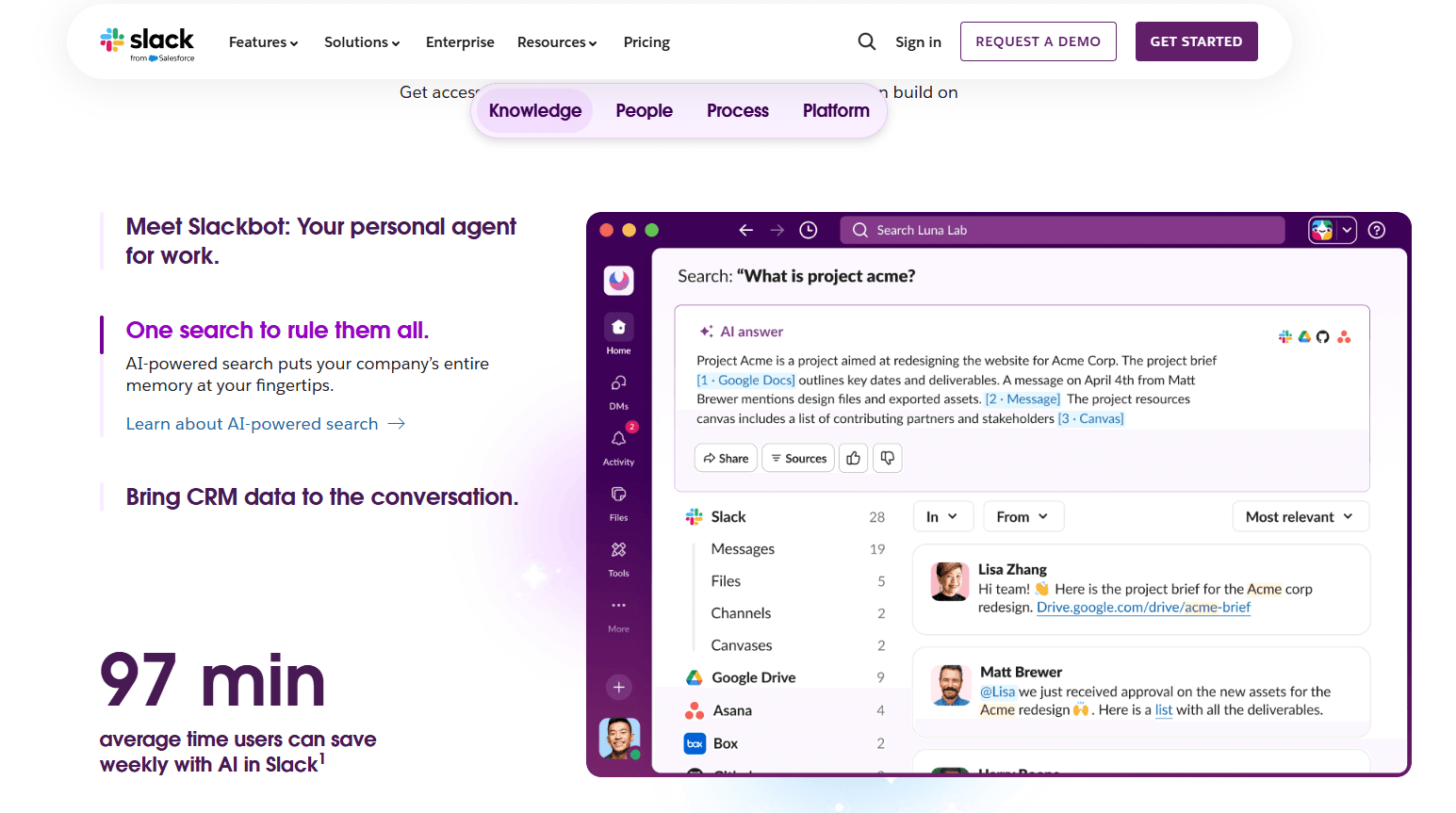
Real-world example: When Slack entered an already crowded communication market, they didn’t just get teams to install another chat app. They fundamentally changed how companies communicate – reducing email volume by 48% on average, shortening meetings, and accelerating project completion times. That’s product adoption creating measurable business impact.
|
In your world whether you’re building loyalty programs, customer engagement tools, or SaaS platforms –
Real product adoption means your users have integrated your product into their daily workflows in ways that deliver consistent value. |
Otherwise, the product adoption gap will cost you real money. Every. Single. Month.
Stages of the Product Adoption Process (Where You're Actually Losing Users)
Understanding the customer adoption journey means recognizing where users typically stumble, hesitate, or abandon their path to value your product. Let's walk through each stage of the product adoption process with clear examples of what works and what doesn’t.
Stage #1: Product Awareness – Breaking Through the Noise
Picture this: Marcus, a small business owner, scrolls through his social media feed during a coffee break. He’s drowning in 5,000+ marketing messages daily. Generic ads blur together. But then he sees something different – a post from a fellow business owner in his community sharing actual results: “Increased repeat customers by 34% in two months using this loyalty platform”. Marcus stops scrolling. That’s product awareness done right.
The challenge at this stage isn’t just generating initial awareness – it's getting noticed by the right people at the right moment with a message that resonates, which is why generic marketing campaigns underperform compared to specific, results-driven ones.
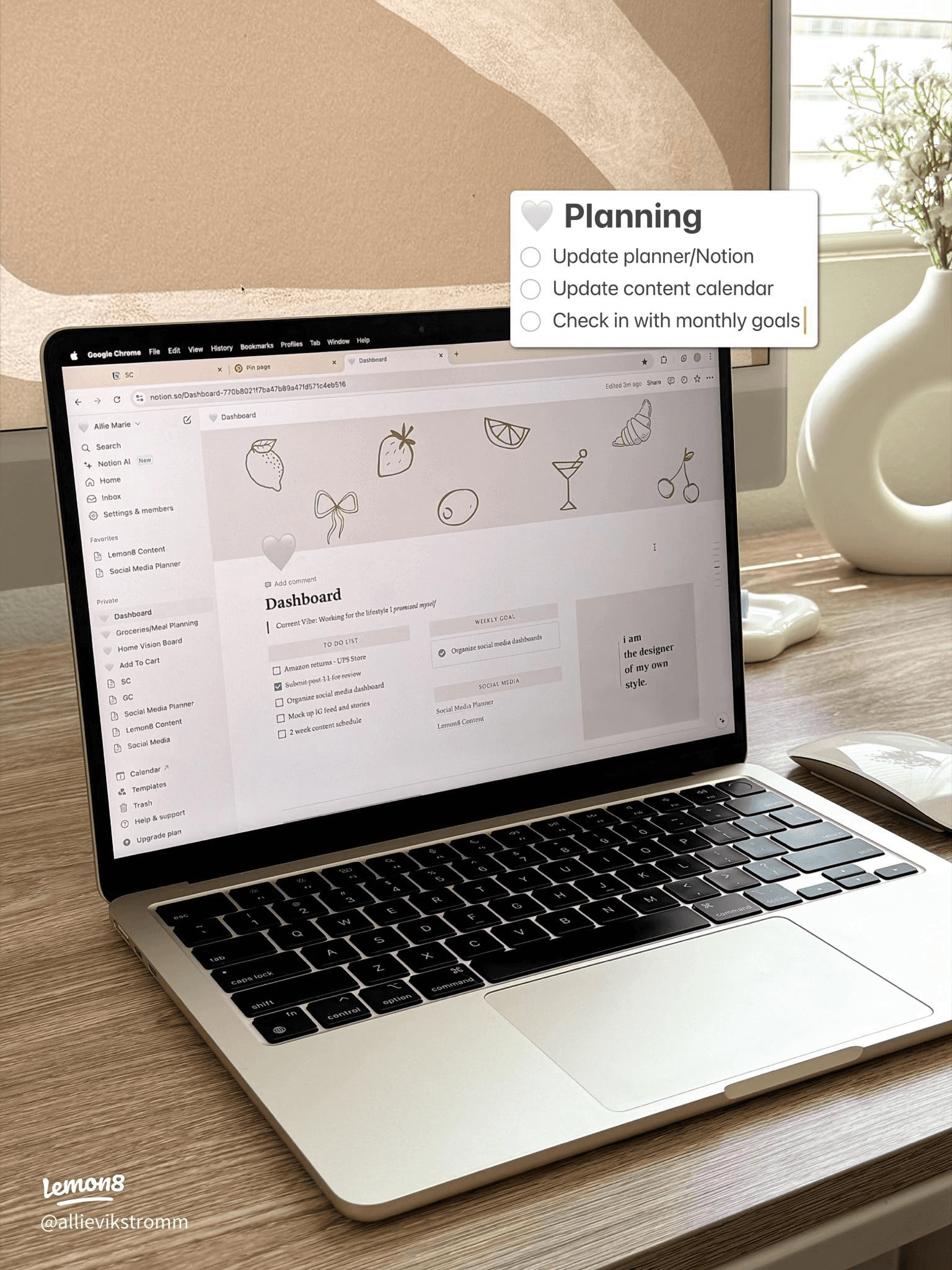
Real-world examples: Notion didn’t spend millions on billboard ads in its early growth stages. They grew through organic content sharing clean, beautifully designed workspaces across Twitter, Reddit, YouTube, Product Hunt, and productivity communities – putting the product in front of people already looking for better ways to organize their work.
 |
For example, at Enable3, our clients find success by showing up where their audience already gathers. Instead of generic “we’re launching” announcements, they share specific campaign results and product features in industry communities, participate authentically in professional forums, and create content that addresses real problems their peers face.
Stage #2: Interest to Product – Answering the Right Questions
Marcus is now interested. He visits your website, but like most prospects, he’s been burned before. He’s tried two similar platforms in the past year. Both promised easy setup. Both required IT support he didn’t have. Both collected dust after initial excitement faded.
What Marcus needs now aren’t feature lists or vague promises. He needs answers to specific questions: How long does setup actually take? What integrations work out of the box? Can I launch a campaign without a developer? Will my customers actually engage, or is this another tool that sounds good but delivers nothing?
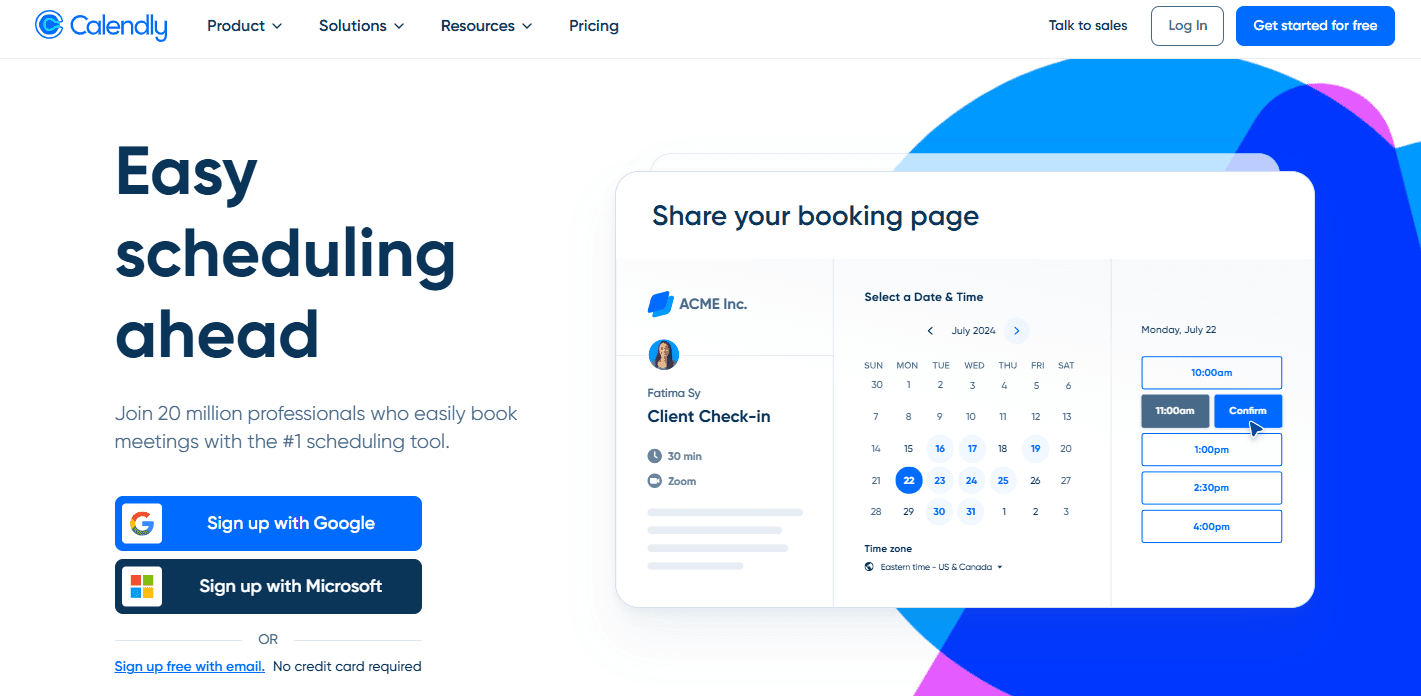
Real-world examples: Calendly accelerated its growth by making the interest phase effortless. Most prospective customers didn't need to book sales calls or sit through 30-minute demos. They could open the product, book a meeting in minutes, and immediately understand how it fit into their workflow – often before creating an account.
 |
Enable3 addresses this by providing self-service resources that answer real questions. Industry-specific setup timelines replace vague claims. Pre-built templates of customer loyalty, engagement, and retention programs demonstrate actual capabilities. Video walkthroughs show the complete journey from signup to first campaign success, not just polished marketing footage.
Stage #3: Product Evaluation – Proving Simplicity
Marcus is now evaluating seriously. He’s comparing your platform against two competitors. Here’s what’s happening in his mind – he’s assessing complexity, calculating total cost of ownership, wondering about his team’s learning curve, and imagining the implementation process.
What kills deals at this stage? Integration requirements demanding IT involvement. Interfaces cluttered with advanced features users don’t need yet. Pricing pages requiring sales calls to understand costs. Migration processes that seem overwhelming.
What works? Demonstrating simplicity obsessively. Show how quickly someone can go from signup to first value.
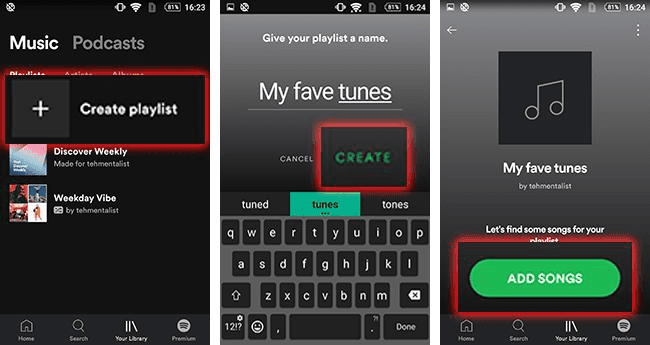
Real-world examples: Spotify gets new customers to their first meaningful listening experience within minutes. Whether by creating a playlist or immediately surfacing personalized recommendations, the product quickly demonstrates its value and ease of use.
 |
Enable3’s customers can launch their first loyalty campaign in under 30 minutes using pre-built templates – no developers required, no complex integration, no technical jargon.
Stage#4: Product Trial – The Make-or-Break Week
Marcus signs up for a free trial. This is the make-or-break moment. Market statistics show that most trial users abandon within 48 hours without achieving a single success. Users sign up with good intentions. They open your app. Look around. Feel overwhelmed. Close the tab. Never return. Your “14-day free trial” becomes “Day 1 abandonment”.
What actually happens during failed product trials? Complex loyalty program rules confuse users, insufficient reward value fails to motivate action, and poor communication leaves potential customers unaware of program benefits. Each small frustration adds up until abandonment feels easier than continuing.
What to do? Design for the “aha moment” within the first session. For instance, at Enable3, our trials include onboarding specialists who help you launch a real loyalty campaign with real rewards in your first session, not a hypothetical setup.
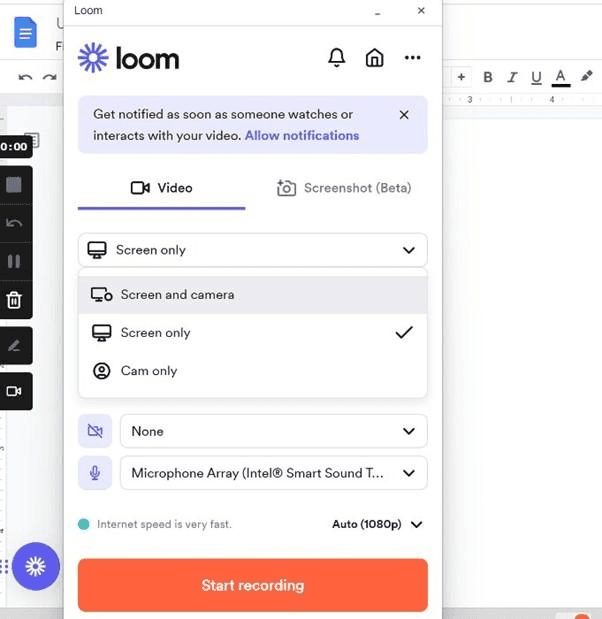
Real-world examples: Loom accelerated its growth by making the first success almost immediate. New users could record and share a video in under a minute, experiencing the product's core value before they ever needed a tutorial or sales conversation.
 |
Pro tip: Track “time to first value” obsessively. If your median is over 3 days, you’re bleeding trial users. Get it under 24 hours, and conversion rates typically double.
Stage#5: Product Adoption – Moving Beyond the Basics
Marcus has successfully completed his trial and converted to a paid account. But product adoption doesn’t end with conversion – it’s just beginning. The next challenge is preventing the plateau problem.
Here’s what often happens: Users complete onboarding, launch a few basic campaigns, achieve decent results, and then... they stop exploring your product. They plateau at “good enough” usage, never discovering the features that would make them power users and cement the platform as indispensable.
What causes plateaus:
Product feature discovery happens accidentally instead of systematically.
No clear “next steps” after initial setup.
Advanced capabilities require too much learning investment users don’t want to make.
Users achieve acceptable results and feel no compelling reason to go deeper.
Real-world examples: LinkedIn didn’t just get users to create profiles. They systematically guide them to connect with colleagues, share updates, join groups, engage with content, and ultimately become daily active users. Each step unlocks new value that makes the platform increasingly integral to users' professional lives. The goal is moving users from basic product adoption to advanced product adoption to power user status. Each level delivers compounding value that makes the platform increasingly essential. 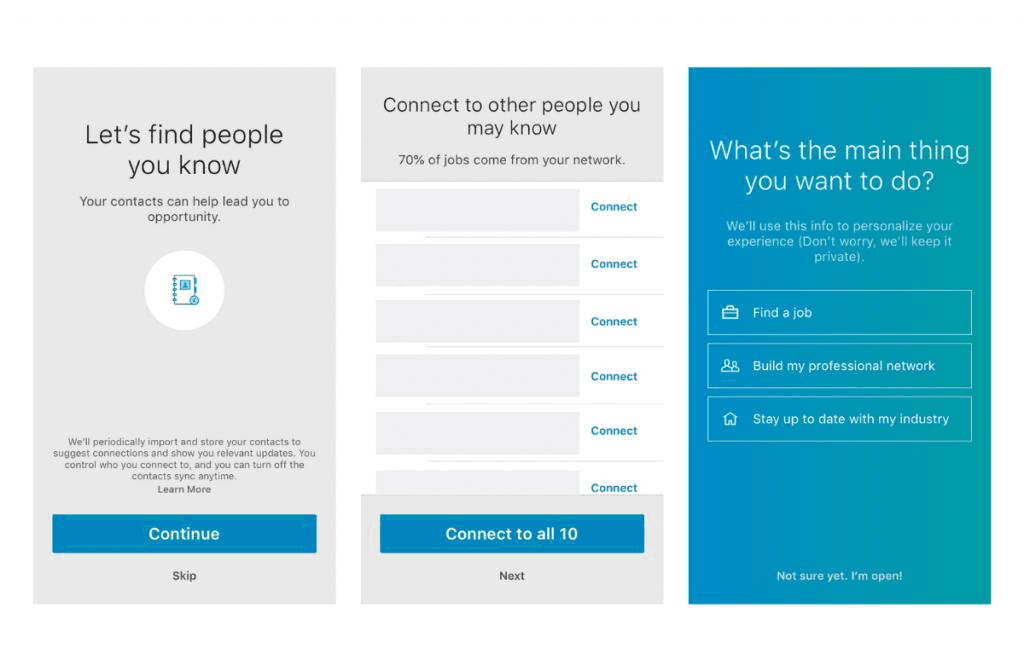 |
Enable3 uses milestone-based progressive guidance. After your first campaign succeeds, we show you personalization features that could double engagement. After you hit redemption targets, we introduce advanced segmentation. Progressive disclosure prevents overwhelm while ensuring our clients discover high-value capabilities that drive product adoption.
Stage#6: Loyalty: Creating Brand Advocates
Marcus is now a power user. He’s running sophisticated, segmented campaigns. He’s seen his repeat purchase rate increase by 41% and customer lifetime value grow by 38%. But there’s one more stage that multiplies your business impact: turning satisfied users into brand advocates.
Loyal users don’t just continue using your product – they drive product adoption across your entire customer base by recommending it to peers, providing customer feedback that drives improvements, creating content showcasing their success, resisting competitor advances, and actively participating in your community.
Understanding loyalty program benefits at this stage matters because, in loyalty and engagement platforms specifically, this advocacy creates compounding network effects that acquisition spend alone can't buy.
When Marcus shares his results in industry forums, he becomes your most credible marketing channel.
What creates brand advocates? Exceptional, shareable outcomes combined with genuine appreciation for the relationship.
Real-world examples: Dropbox grew exponentially through referrals because users experienced such clear value (never lose files again) that they actively recruited friends. Both parties received extra storage, but the reward was secondary to the core value that justified the referral effort. 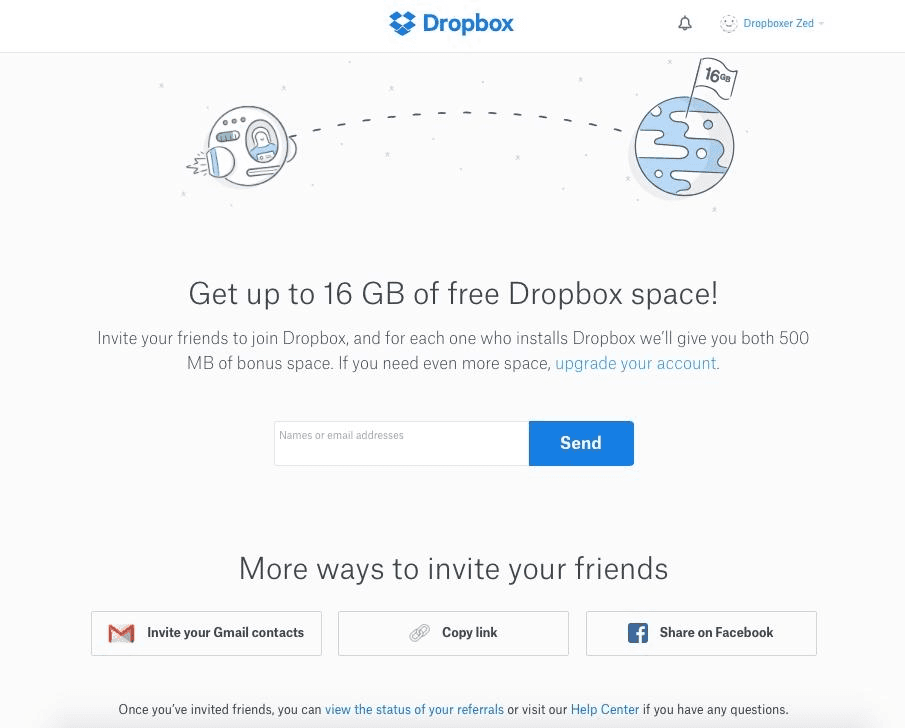 |
Enable3 makes adoption success shareable. When customers achieve results, e.g. 50% increases in repeat purchases or 40% improvements in customer lifetime value, the platform creates reports that are easily shared to demonstrate ROI. This generates the kind of leadership buy-in that's crucial for cross-functional collaboration between product, marketing, and customer success teams – and it deepens product adoption while creating natural opportunities for referrals.
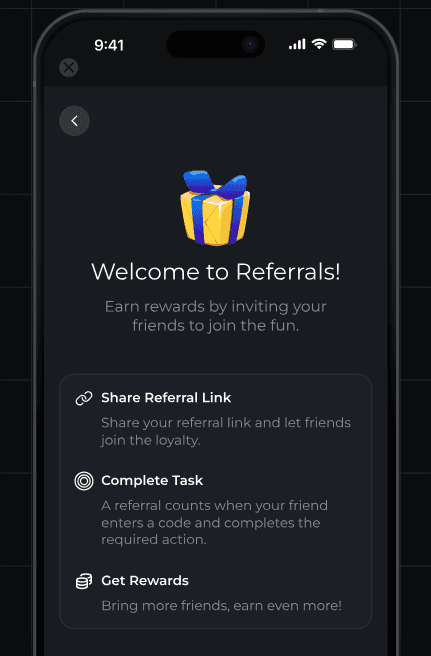
Enable3’s Referral Loyalty Programs for e-Commerce, EdTech, Health & Fitness, Food & Beverages, Dating, Fintech, Travel & Hospitality, SaaS and many others.
Why Product Adoption Matters for Your Revenue
Think about your last quarterly business review. Your team presented impressive numbers – 5,000 new sign-ups, 3,200 trial starts, growing brand awareness. But then someone asked the uncomfortable question: “How many are actually using it?” The room went quiet.
Here’s one thing that changes everything: product adoption is the only key growth metric that predicts your business survival. You can acquire millions of users, but if they don’t adopt your product, you’re just funding an expensive revolving door.
The math is striking. At an industry-median activation rate of 17%, roughly 83% of acquisition spend goes toward users who never reach the product's activation milestone. Improving activation to 65% – a level achieved by top-performing products – reduces that share to 35%, saving approximately $576,000 per year on a $100,000 monthly acquisition budget. That's before considering the downstream impact higher activation often has on retention, expansion revenue, and referrals.
But it’s more than money. When users truly adopt your product – integrating it into daily workflows, building processes around it – they become nearly impossible to displace.
Companies that master product adoption create compounding advantages:
Their satisfied users generate referrals, reducing CAC.
Their deep product adoption creates switching barriers and directly reduces customer churn, improving retention.
Their usage data guides better product development, widening their competitive lead.
It’s a flywheel that begins with getting users to actually adopt what you’ve built.
10 Key Strategies to Increase Product Adoption (That Actually Work)
Now let’s get into exactly how to increase product adoption – the comprehensive product adoption strategy that turns interested sign-ups into engaged power users. These aren’t theoretical frameworks on how to drive customer adoption – they’re proven approaches backed by user feedback and customer success data that work across various industries and product types.
1. Set Clear Product Adoption Objectives and Metrics
Elena, a product manager, tells her team: “We need to increase adoption of our product”. Everyone nods in agreement. Three months later, they’re arguing about whether they’ve made progress. Why? Because “increase user adoption” isn’t measurable. Without clear definitions and metrics, you’re navigating blind.
Start by defining what successful product adoption actually means for your specific product. For Enable3, it’s not just “clients who set up accounts” – it’s clients who launch campaigns, see measurable engagement lift, and iteratively optimize their loyalty programs based on performance data.
The metrics that actually matter for the effective product adoption strategy:
Activation Rate – a percentage of sign-ups who complete critical setup milestones within your defined timeframe. For loyalty platforms, this means: account created → first campaign built → rewards distributed → customer redemptions recorded. Track this weekly. If it falls below your baseline, something broke in the user experience.
Time-to-Value – a median number of days from signup to first meaningful adoption success. For your team using Enable3, this means launching a campaign that generates customer engagement. For your customers, it means earning and understanding their first reward. Top performers keep this under 24-48 hours.
Feature Adoption Rate – a percentage of users engaging with specific high-value capabilities of your product. Track segmentation, automation, personalization, and analytics usage separately. These predict long-term customer retention better than generic “active user” metrics. Enable3 clients using 5+ features show 80% lower churn than those using only 1-2 features.
Engagement Frequency (DAU/MAU) – daily active users divided by monthly active users. This measures stickiness: how integral your product has become to daily workflows. Above 20% is good; above 40% is exceptional.
Adoption Depth – an average number of core features used regularly per user. Shallow product adoption (1-2 features) indicates fragile relationships vulnerable to churn. Deep product adoption (5+ features) indicates strong integration and switching costs.
These metrics directly predict which clients will renew, expand, and refer others.
Key Product Adoption Metrics and Benchmarks | ||||
|---|---|---|---|---|
Metric | What it measures | Target benchmark | How to track | Enable3 feature |
Activation Rate | % of sign-ups completing critical first actions | Above 30% is good; 60%+ is top-tier | Event tracking in product analytics | Mission completion tracking |
Time-to-Value (TTV) | Days from sign-up to first meaningful success | Under 24 hours is ideal; over 72 hours predicts churn | Cohort analysis from first event to first value event | Onboarding mission sequence |
Feature Adoption Rate | % of users engaging specific high-value features | Benchmark varies by product; track relative to your own baseline | Feature usage events in product analytics | Quest and progressive disclosure mechanics |
DAU/MAU Ratio | Daily vs. monthly active users — product "stickiness" | 20%+ is good; 40%+ is exceptional | Product analytics or Enable3 engagement dashboard | Streaks, daily check-in missions |
Adoption Depth | Average number of core features used regularly per user | 1–2 features = fragile; 5+ features = strong integration | Feature usage count per user in product analytics | Enable3: clients using 5+ features show 80% lower churn |
2. Map Customer Journey and Personas (Stop Building for Generic Users)
You designed onboarding for an imaginary “average user” who doesn’t exist. Your CMO, junior marketer, and technical product manager all need different experiences, but they’re getting the same generic tour.
Why does this kill product adoption? A Fortune 500 enterprise evaluating loyalty programs for 2 million customers has completely different needs than a 50-person startup launching their first rewards program. Generic onboarding frustrates both.
How to drive product adoption: your mapping process
Step 1: Identify distinct personas
Don’t just track demographics – understand goals, pain points, constraints, and marketing success metrics.
Interview 10 recently activated users about their journey across your product. Ask what almost made them quit, which features confused them, what their “aha moment” was, and what they’d change about onboarding.
Interview 10 churned users about why product adoption failed. Where did it actually break? What were they hoping to accomplish that they couldn't? What would have kept them engaged with your product or mobile app?
Step 2: Map each persona’s journey
Track product awareness → interest → product evaluation → product trial → product adoption → loyalty stages for each persona, mapping the journey to the product adoption curve rather than isolated funnel steps. Identify where they typically get stuck.
Step 3: Document emotional states
Where do users feel confident versus confused? Excited versus overwhelmed? These emotional states generate user insights that reveal intervention opportunities – the same insights that help you spot where potential users are likely to hesitate before they even sign up.
3. Personalize Onboarding (First Impressions Determine Everything)
Jennifer signs up for your platform at 10 PM on a Tuesday after a frustrating day trying to engage customers through email alone. She’s tired, skeptical, and has 20 minutes before she needs to review tomorrow’s meeting agenda. Your platform loads a mandatory 15-minute product tour showcasing every feature. Jennifer closes the tab. You never hear from her again.
Compare that to this experience:
Jennifer signs up and immediately sees three simple questions: “What’s your industry?”, “What’s your primary goal?”, “How large is your team?”.
Based on her answers (retail, increase repeat purchases, team of 3), she’s greeted with a personalized dashboard showing exactly what she needs. A 5-minute video walkthrough specific to loyalty programs for mobile apps. Pre-built campaign templates designed for stores like hers. A clear first step: “Launch your first campaign in 10 minutes”.
Jennifer follows the interactive guide. Within 15 minutes, she’s created a simple point-based reward using a template, customized it with her branding, and scheduled it to launch tomorrow to a small test segment. She closes her laptop feeling capable and optimistic. The next evening, she logs in to find 15 customers have already engaged. That small success – that validation that this platform actually works – keeps her coming back.
One of our clients discovered that technical product managers and non-technical marketers had completely different adoption paths. Technical users wanted direct database access and API documentation immediately. Non-technical users needed visual builders and templates. By building personalized onboarding flows for each persona, they improved activation rates by 34%.
Progressive disclosure prevents overwhelm
Don’t showcase every feature of your product on day one. Introduce capabilities sequentially based on user readiness and demonstrated competency. Grammarly starts with basic spell-checking. As users demonstrate mastery (producing error-free documents), it gradually reveals tone detection, clarity suggestions, plagiarism checking, and advanced style guides. Users discover expanding value without initial overwhelm.
Interactive walkthroughs beat passive tours
Don’t just show users where features live – guide them through actually completing key actions. For loyalty platforms, this means users build and launch a simple reward during onboarding, generating real feature usage and user engagement while experiencing the complete product adoption lifecycle from creation to customer engagement, not just seeing screenshots of what's possible.
Celebrate milestones with visual feedback
When Jennifer completes campaign setup, she sees progress indicators, celebratory animations, and encouraging messages: “Great! You’re 80% done. Just add your branding and you’re ready to launch”. Marking product adoption milestones this way, rather than treating onboarding as one long undifferentiated task, combats the fatigue and uncertainty that cause abandonment.
Provide skip and replay options
Mandatory linear tours frustrate experienced users who want to dive directly into advanced features. Offer “fast track” paths while maintaining easy access to educational resources for those wanting deeper guidance later.
4. Experiment and Build Outcome-Driven Roadmaps
Your product adoption plan lists 47 features planned for the next six months. But here’s the uncomfortable question: How many of those features will actually drive adoption of your product? How many might add complexity that hurts product adoption?
A lot of software features go unused. That’s months of development time wasted on capabilities that confuse users instead of helping them. The problem isn’t lack of ideas – it’s building before validating.
Frame every change as a testable hypothesis
Bad approach: Let’s add tooltips to help users understand campaign settings.
Good approach: We believe adding contextual tooltips to campaign settings will increase completed campaign creation from 60% to 75% because users currently abandon when encountering unfamiliar terminology they don’t understand.
The second version is testable. You know your success criteria before building anything.
Run controlled experiments
A/B test significant changes to onboarding flows, feature introduction sequences, messaging approaches, and UI patterns. LinkedIn tests hundreds of onboarding variations. One seemingly simple change – asking users to upload profile photos immediately rather than later – significantly increased completed profiles and long-term engagement. Why? Users with photos received more profile views and connection requests, triggering engagement loops. That’s the power of testing assumptions instead of trusting instincts.
Prioritize ruthlessly using product adoption frameworks like RICE:
Reach: How many users will this impact?
Impact: How much will it move product adoption metrics?
Confidence: How certain are we about the projected impact?
Effort: How much development work is required?
Score everything. Build what scores highest. Table the rest.
One of our clients noticed users ignoring advanced scheduling options (under 5% usage) that cluttered the main interface. Moving those features into “advanced settings” cleared cognitive load. Campaign creation completion jumped 18% with zero new features – just thoughtful subtraction.
Build for outcomes, not outputs
Transform “Add email integration” into “Enable users to launch automated campaigns in under 15 minutes”. Outcome framing keeps teams focused on product adoption impact rather than feature shipping counts.
“Sometimes the best product improvement is removing complexity that prevents its adoption rather than adding capabilities that create more confusion.”
5. Product-Led Growth (and Why It Now Needs an Agent Strategy Too)
The same discipline that drives great products – validate before you build and simplify before you add – also sits at the heart of product-led growth (PLG). Rather than relying on sales or marketing to convince customers, PLG makes the product itself the primary engine for acquisition, activation, and expansion. Users experience value first, then decide whether to commit.
This is no longer just a startup strategy. Companies like Atlassian, Figma, Notion, Slack, Calendly, and Dropbox have shown that self-service experiences can scale from individual users to large enterprises. The faster someone can sign up, understand the product, and achieve their first success, the more effective PLG becomes.
What's changing in 2026 is not PLG itself, but who is using the product first.
Increasingly, the person evaluating your product isn't the same one configuring it. A human may decide to purchase your software, but an AI agent is often responsible for creating the account, reading the documentation, generating API keys, integrating systems, testing workflows, and completing the initial setup. Instead of spending time learning the interface, the agent moves almost immediately into implementation.
That changes what "good onboarding" looks like. Humans appreciate intuitive interfaces and guided walkthroughs. AI agents care about something different: clear API documentation, predictable workflows, machine-readable documentation, self-service provisioning, and structured feedback. Fortunately, these are many of the same qualities that make product-led growth successful in the first place.
In other words, a product designed for self-service adoption is often already well positioned for AI-driven implementation. A product that still depends on lengthy sales processes, manual provisioning, or undocumented workflows creates friction for both human users and AI agents.
This shift also changes how engagement systems need to work.
Traditional engagement programs often assume every interaction happens through a user interface. They reward users for clicking buttons, opening emails, or responding to marketing campaigns. But an AI agent may never see a banner, read an email, or log into the application the way a human does. It simply completes tasks.
Enable3 was designed with this shift in mind. Its engagement engine is event-based rather than interface-based. When a qualifying action occurs – whether it's performed by a person in the application or by an AI agent through an API – the platform evaluates the conditions, awards the appropriate reward, and records the outcome automatically. The engagement logic doesn't need to know who performed the action; it only needs to know what happened.
That distinction becomes increasingly important as AI agents become part of everyday software workflows. If your engagement program still depends on manual approvals, hard-coded UI events, or human-only interactions, those limitations become visible the moment an AI agent attempts to complete a workflow your system wasn't designed to recognize.
6. Use In-App Messaging (Contextual Guidance at the Perfect Moment)
The user hasn’t logged in for 7 days → “See what brands achieved this week with campaigns similar to yours”.
User attempts the same action 3+ times unsuccessfully → “Need help? Here’s a 2-minute video showing how that works”.
User completes first campaign → “Nice! Want to see how segmentation could double those results?”
These triggers prevent silent struggle. Users get help exactly when they need it, not randomly throughout their experience.
Progress indicators leverage completion psychology
Humans have strong psychological drives to finish what they’ve started. Showing users “You’re 5 of 7 steps complete” motivates campaign completion. Asana’s “Getting Started” checklist for new customers dramatically increased setup completion rates simply by visualizing progress and remaining tasks.
Personalize messaging by user segment and behavior
New users need encouragement and basic guidance. Power users want advanced tips and early access to new features. Generic broadcasts ignore these differences and reduce effectiveness across all segments.
Limit modal interruptions to critical information
Too many pop-ups train users to dismiss messages without reading. Reserve modals for genuinely important updates affecting most users – major feature launches, critical security updates, time-sensitive opportunities. For everything else, use subtle in-app hints and notifications that inform without interrupting.
So users get help when they need it, preventing frustration that leads to abandonment.
7. Engage Through Community
Michael is stuck. He’s trying to design a tier structure for his loyalty program but isn’t sure how many tiers to create or what benefits to assign to each level. He could email support and wait for a response, or he could search documentation, but he does something else – he posts in the client community Slack channel: “Anyone running successful tier programs in retail? What structure works for you?”
Within 30 minutes, three other retail managers have responded with their actual tier structures, the rationale behind their decisions, and results they’ve seen. Michael implements a variation, testing it with confidence because it’s based on peer success, not guesswork. Two weeks later, when a new user asks about referral campaign strategies, Michael is the one sharing his experience.
This is community-driven adoption in action – users helping each other discover value, share strategies, and solve problems faster than any support team could manage alone.
Why community accelerates product adoption
Peer learning happens faster than formal training. Users trust recommendations from other users more than claims from vendors. Success stories inspire action – social proof beats marketing messages. Common questions surface organically, revealing documentation gaps. Belonging increases customer retention – relationships keep users engaged even during moments of product frustration.
Building effective community spaces
Create dedicated channels – forums, Slack groups, user groups, or in-platform community features where users can connect. Dedicated Client Community in loyalty can include industry-specific channels (retail, ecommerce, restaurants, SaaS) where users share strategies relevant to their specific contexts.
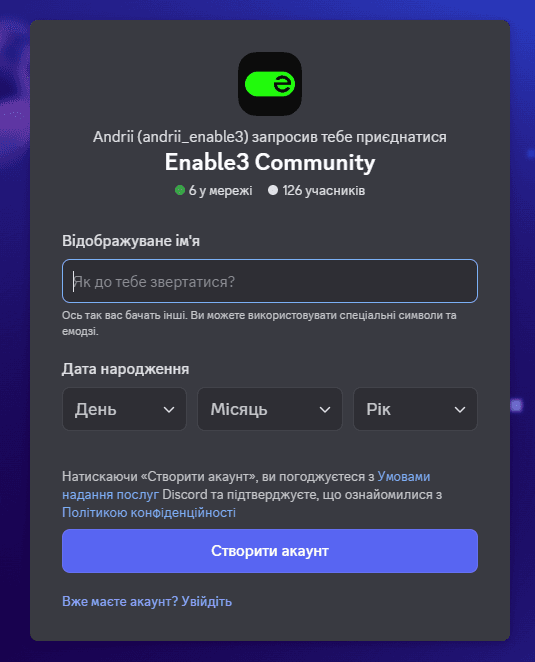
At Enable3, we have also a dedicated community for our clients where they can communicate, share ideas, get insights, and find quick answers to any of their questions:
Host regular events
Webinars, workshops, office hours, and user conferences provide structured learning plus networking time. Often, users value connecting with peers as much as product education.
Use community insights for product intelligence
Common questions reveal gaps in documentation or UI clarity. Repeated feature requests signal product adoption barriers. Community becomes both support channel and user adoption strategy resource. Your community transforms individual adoption journeys into collective learning, multiplying your ability to guide users to value without scaling your support team proportionally.
8. Provide Support and Customer Feedback Loops
Users hit roadblocks. They can’t figure out the next steps. They search for help but find outdated documentation or generic FAQs that don’t address their specific situation. They submit tickets and wait 24-48 hours for responses. By then, they’ve moved on or given up.
Poor communication leaves members unaware of program benefits, and inadequate support creates silent churn – users who stop engaging without telling you why.
Every moment users spend confused is a moment they’re not experiencing value. Exceptional support isn't just problem-solving – it’s a product adoption driver that removes obstacles before they become abandonment triggers, and customer support platforms and solutions help teams triage issues faster and spot churn risks earlier.
Omni-channel support matching preferences:
Self-service knowledge base → For users who prefer solving problems independently.
Live chat → For quick questions needing immediate answers.
Email/ticket system → For complex issues requiring deeper investigation.
Phone support → For enterprise clients or critical problems.
Video tutorials → For visual learners who prefer watching over reading.
Proactive support strategies:
Don’t wait for users to raise tickets. Monitor usage patterns for struggle indicators and reach out first, using customer success workflows as the repeatable process for escalating roadblocks before they stall adoption of your product.
Proactive triggers examples:
User starts campaign setup but doesn’t complete within 24 hours → “Stuck on something? We’re here to help”.
User accesses integration documentation multiple times → ”Want to schedule a quick integration call?”
User’s first campaign has low engagement → “Let’s optimize your rewards for better results”.
Create exceptional knowledge bases:
Well-organized, searchable, current, visual (screenshots, videos, step-by-step), and use-case focused. Articles titled “How to launch a seasonal campaign” perform better than “Campaign builder documentation” because they address specific pain points users are trying to overcome.
Systematic customer feedback collection:
Post-onboarding surveys: “What almost prevented you from completing setup?”
In-app feedback widgets: quick one-click ratings on specific features.
Periodic check-ins: “How’s your loyalty program performing? What would make it better?”
Exit surveys: for churned users – understand what broke and when.
Use customer feedback tools to gather and organize these responses so patterns are easier to act on.
Close the feedback loop visibly
When users suggest improvements and you implement them, tell them specifically. “Based on your feedback, we’ve simplified campaign setup – thanks for helping us improve!” This responsiveness builds trust and encourages continued input. Users who see their suggestions implemented become invested stakeholders, not just customers.
Train support teams on product adoption psychology
Representatives should distinguish between one-time technical issues and systematic product adoption barriers. When the same confusion appears repeatedly across multiple users, that’s not a support problem – it’s a product problem requiring engineering attention.
9. Implement Digital Product Adoption Platforms
Theresa manages a complex loyalty program with dozens of features, multiple integration points, and various campaign types. New team members join her department every few months. Each time, she spends 4-6 hours training them on the platform, walking them through workflows, explaining where features live, and answering repeated questions. It’s time-consuming, and she knows she’s probably missing things.
Digital Adoption Platforms (DAPs) solve this scaling problem by providing sophisticated infrastructure that guides users past common barriers to product adoption without requiring changes to your underlying product architecture.
What DAPs deliver:
Interactive guidance overlays: step-by-step walkthroughs that adapt based on user behavior and choices. Unlike static product tours that show the same sequence to everyone, intelligent DAPs branch based on user actions, technical proficiency, and specific goals.
Contextual help exactly when needed: tooltips, hints, and assistance appearing at the precise moment users encounter features – only when relevance is highest.
Adoption-specific analytics: insights that let you analyze user behavior to see where users get stuck, how users find key features, how long specific tasks take, and where drop-off rates are highest. These metrics expose friction invisible in standard product analytics, especially when product analytics features include automatic event tracking and the ability to compare normalized product analytics data across systems.
Combined with customer success team data, this creates a fuller view of the customer journey.
For platforms with complex administrative interfaces – loyalty program management, enterprise software, multi-feature SaaS products – DAPs dramatically reduce learning curves and time-to-competency.
The key is recognizing that complex products require systematic guidance. You can’t simply assume users will figure things out through exploration and documentation alone. In 2026, user patience is measured in minutes, not hours or days.
10. Give Discounts and Trials for Newcomers
Robert is considering your platform. He’s read reviews, watched demo videos, and talked to his team. But he’s hesitant. His company tried two similar tools in the past three years. Both promised results. Both underdelivered. He’s skeptical of claims and worried about committing a budget to another disappointment.
Strategic trials and discounts address this skepticism by letting potential customers experience value before fully committing, helping users realize value before a full commitment and transforming abstract claims into concrete proof.
For example, Shopify’s free trial – which requires no credit card – lets users build complete stores, add products, and even process test orders. By the time the trial ends, many merchants have a store ready to sell and can start making real sales within minutes of choosing a plan. That tangible success (revenue to generate) creates powerful incentive to continue. The trial proved the platform works for their specific situation, eliminating doubt.
Keys to Effective Trials to Increase Product Adoption:
Long enough to achieve meaningful results
Simple tools might work with 7-day trials. Complex platforms like loyalty programs – and SaaS loyalty mechanics specifically – need 14-30 days to show real impact: campaign creation, customer engagement, redemptions, and measurable business lift. Successful trials should also grow the user base by proving fit before asking for a paid decision.
Minimize initial friction
No credit card requirements reduce resistance. Robert can try without financial commitment, lowering the psychological barrier to starting.
Guided onboarding during trial
Structured support during trials – not just documentation left for users to find on their own – measurably improves conversion versus a self-serve-only approach.
Clear path to value with specific milestones
“Launch your first campaign within 3 days and see customer engagement by day 5” creates urgency and direction. Without clear milestones, users procrastinate and let product trials expire unused.
Freemium Models for Network Effects
Permanent free tiers with limited functionality work when free users eventually outgrow limitations and upgrade, or when free usage drives network effects benefiting paid users.
For instance, Dropbox’s freemium model provides enough storage for basic use while creating desire for more through actual usage. As users accumulate files, they naturally hit limits and upgrade – paying for capacity they’ve already proven they need.
Milestone-Based Discounts Incentivize Product Adoption Behaviors
Generic approach: “Save 20% on annual plans.”
Product adoption-focused approach: “Save 20% when you launch three campaigns in your first 30 days.”
The second version rewards user behaviors that drive successful product adoption, not just payment commitment. Users who launch three campaigns have experienced value, discovered features, and invested time – they’re far more likely to become long-term customers than those who simply paid upfront.
Graduated Discounts Smooth Financial Transitions
First month: 50% off (low-risk test period)
Months 2-3: 25% off (building dependency and habits)
Month 4+: Full price (by now, demonstrated value justifies cost)
This structure gives users time to experience compounding value before facing full pricing, reducing sticker shock and churn during early product adoption phases.
Pro Tip: Maintain pricing transparency. Hidden limitations, surprise charges at trial end, or unclear upgrade paths damage trust and reduce conversion. Clear communication about what product trials include, what happens at expiration, and what paid plans offer sets appropriate expectations. Transparency builds confidence; surprises destroy it.
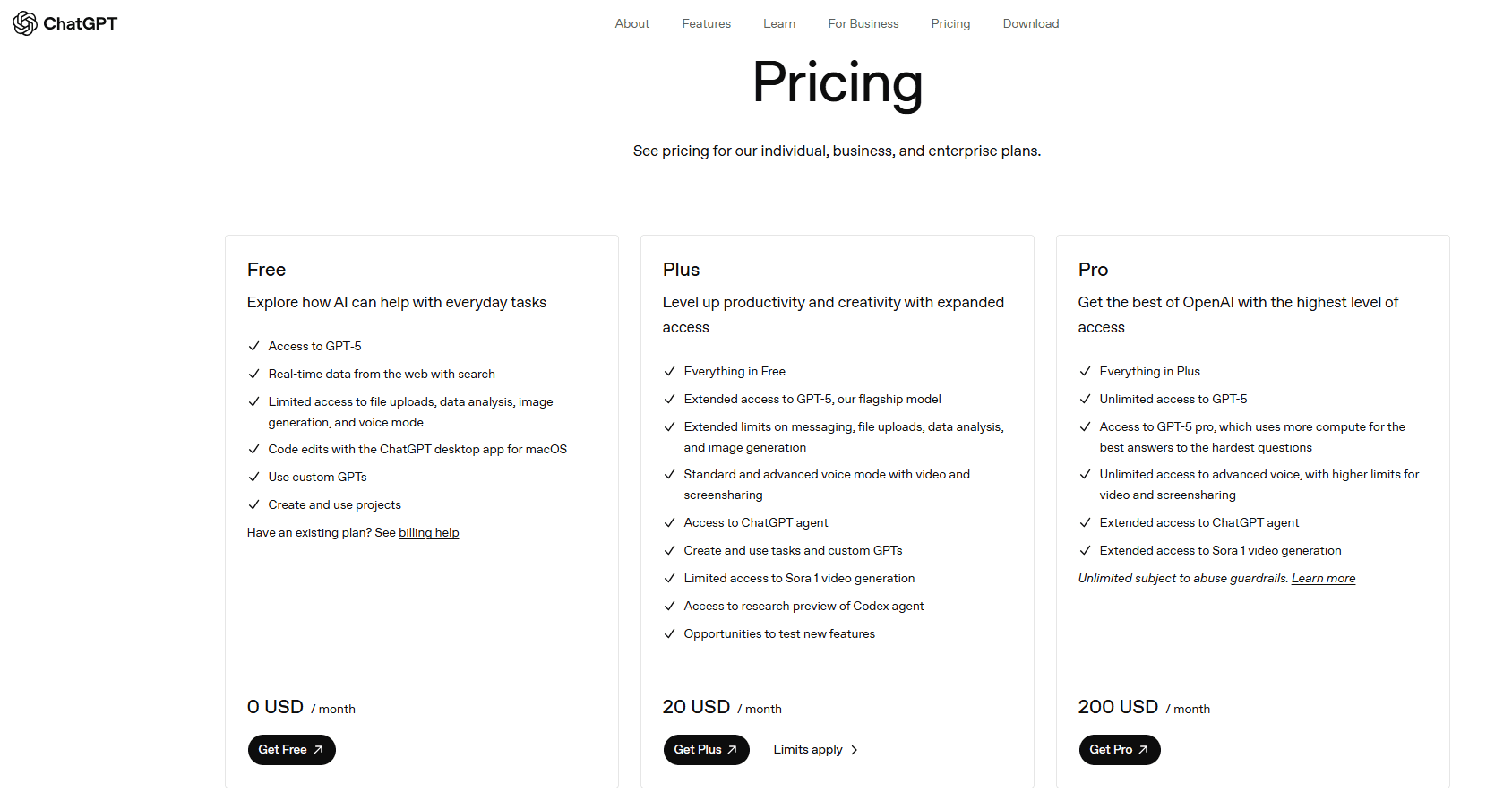
Pricing plans by ChatGPT
All these product adoption strategies – if implemented systematically – will definitely give you a competitive advantage and significantly boost loyalty of your customers.
Try. Test. See Real Results.
How Enable3 Solves Your Adoption Challenges
You’re facing a unique dual product adoption challenge. First, your team needs to master the platform quickly – you don’t have months for training or complex implementations. Second, your customers need to actually engage with your loyalty program – they need to understand it, see value in it, and participate consistently. Most loyalty platforms solve one challenge or neither. Enable3 was purpose-built to solve both simultaneously.
Your Team’s Product Adoption: Launch in Hours, Not Weeks
Traditional loyalty platforms require IT involvement for integration, lengthy implementation timelines (often 6-12 weeks), extensive training programs, and ongoing technical support. By the time you’re finally live, initial momentum has evaporated, and competitive opportunities have passed.
Solutions Enable3 Offers to Enhance Product Adoption by Teams:
Pre-Built Templates (Start with What Works)
Stop reinventing the wheel. Our expert-made pre-built templates incorporate proven engagement mechanics from successful loyalty programs across industries. You’re not starting from scratch – you’re starting from what already works, then customizing to your brand voice and business goals.
This approach reduces time-to-launch from weeks to hours while dramatically improving campaign effectiveness because you’re building on proven foundations.
Real-Time Product Adoption Analytics (Prove ROI Immediately)
When your team sees concrete results – 20% increase in repeat purchases, 35% higher customer lifetime value, 50% improvement in retention – they naturally invest more in exploring advanced features and optimizing campaigns.
Enable3’s comprehensive dashboards monitor campaign performance (engagement, redemption, ROI), customer behavior (purchase frequency, average order value, how new and existing customers spend over time, and how often they return), reward trends, and key program health metrics – and for teams already running their own analytics platform integrations, that data flows into the tools you already use. These analytics create internal buy-in that deepens product adoption and justifies budget expansion.
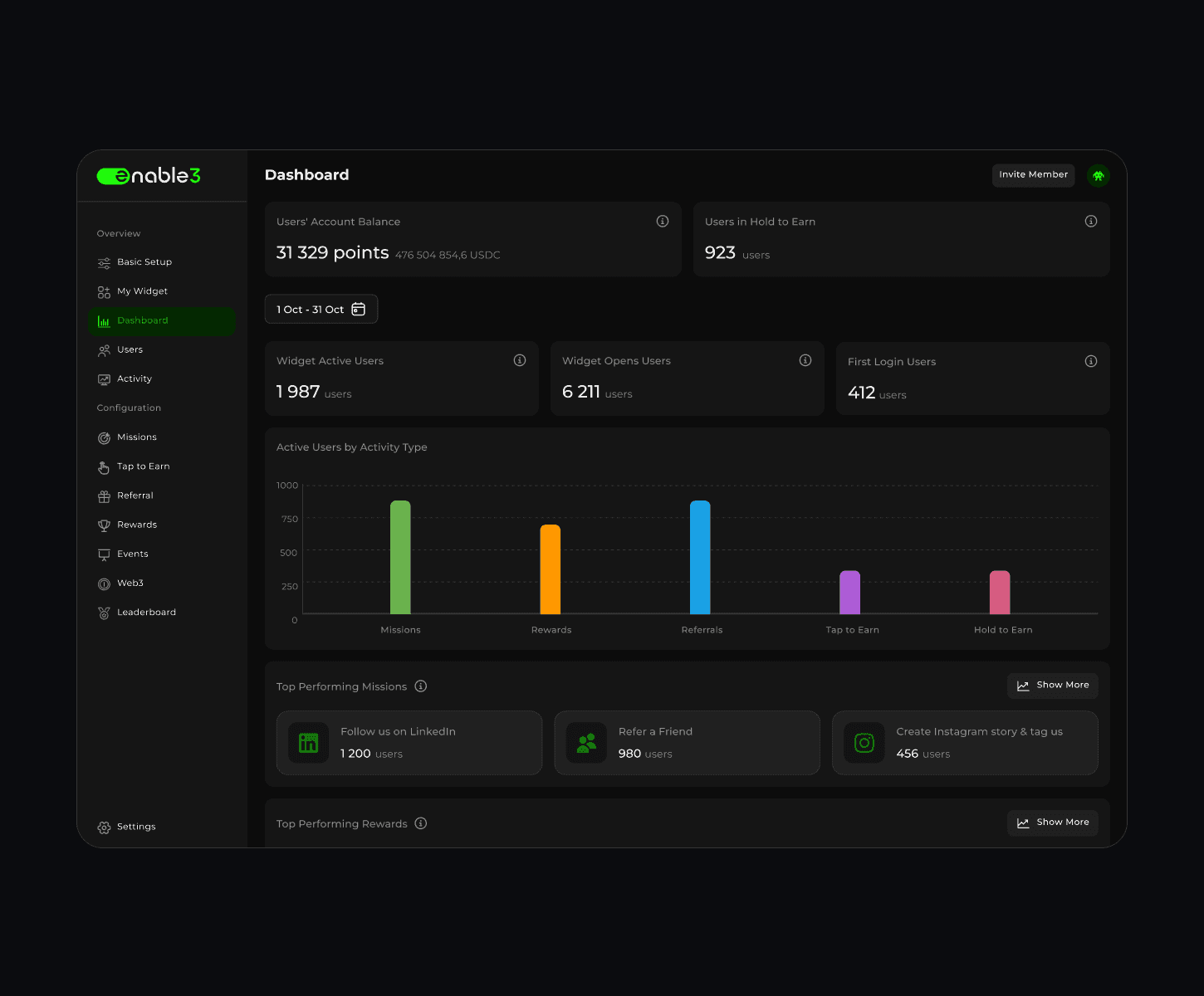
Enable3: Customer engagement, retention, and reward redemptions in one dashboard.
Your Customers’ Product Adoption: Engagement That Actually Happens
Industry researches show that more than 47% of consumers abandon loyalty programs due to complex rules they don’t understand, insufficient reward value that doesn’t motivate action, poor communication leaving them unaware of benefits, and redemption friction that frustrates rather than delights.
Enable3's Solutions to Increase Product Adoption by Customers:
Personalization Engine (Relevance at Scale)
Generic offers get ignored.
Enable3’s segmentation and personalization let you target key customer groups effectively.
You can create VIP/heavy spender segments to offer premium or early-access rewards.
You can re-engage occasional shoppers and dormant users with comeback bonuses and missions exclusive to those segments.
All this is possible through dynamic segmentation tied to user tier, external or behavioral data.
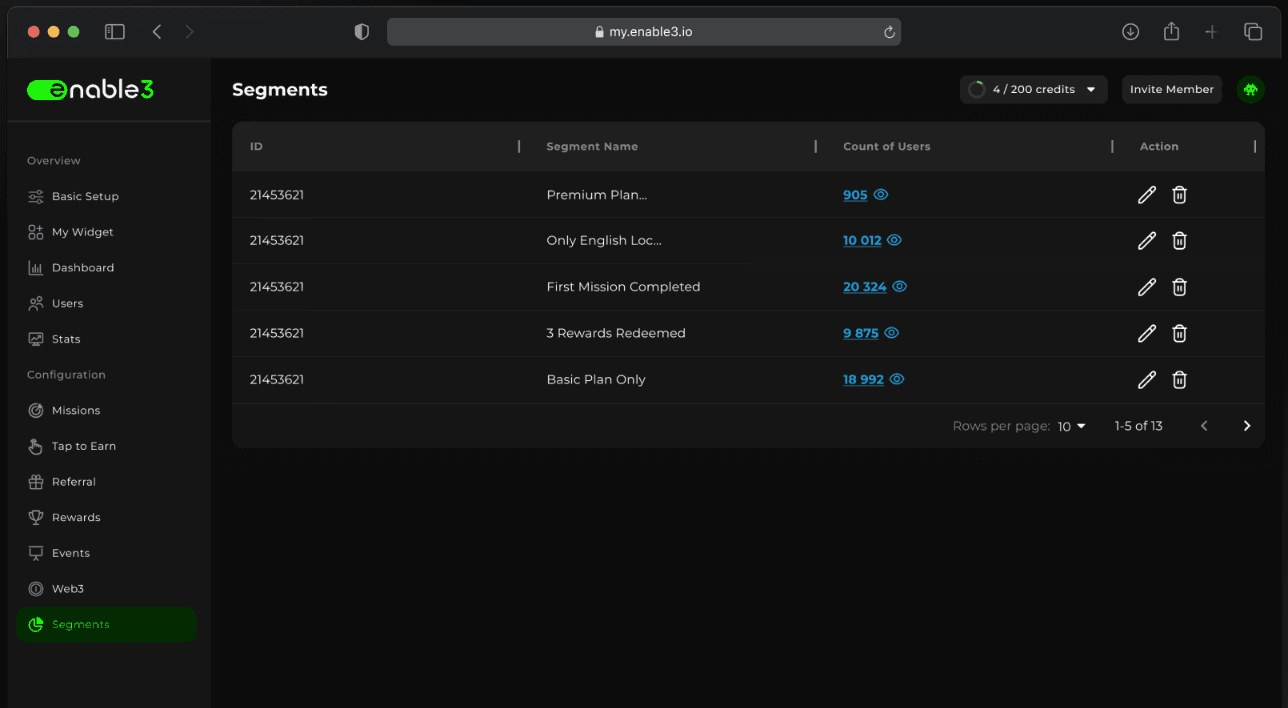
This unlocks more personalized, relevant, and high-converting loyalty experiences at every stage of the user journey.
Instant Gratification Mechanics (Psychological Triggers That Work)
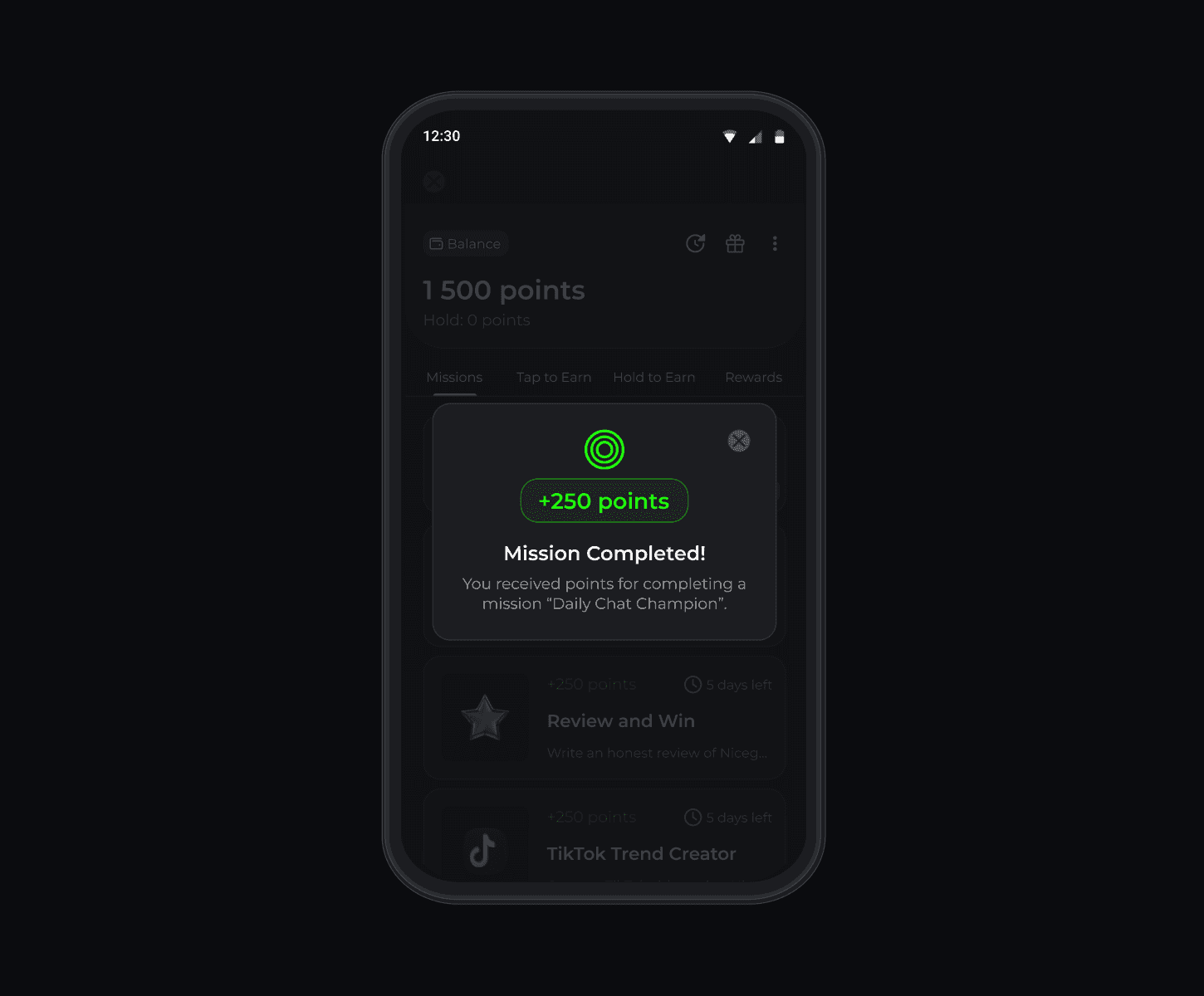
Enable3 enables instant rewards and immediate point crediting that create psychological satisfaction driving customer adoption through continued engagement.
Why it works: Delayed gratification kills loyalty program adoption. When customers see loyalty points appear immediately after purchase or key action and can redeem instantly, they engage more frequently.
White-Label Customization (Your Brand, Not Ours)
Your customers will experience your loyalty program with your branding, your voice, and your visual identity – not generic third-party interfaces. This seamless brand consistency maintains trust and reduces cognitive friction.
Enable3 makes it easy to launch branded loyalty programs that feel native to your product – while saving months of dev time.
Gamification Features (Make Engagement Fun)
Progress bars showing tier advancement, achievement badges celebrating milestones, streak bonuses rewarding consistency, challenges creating time-bound goals, and leaderboards fostering friendly competition transform simple programs into engaging experiences customers want to participate in.
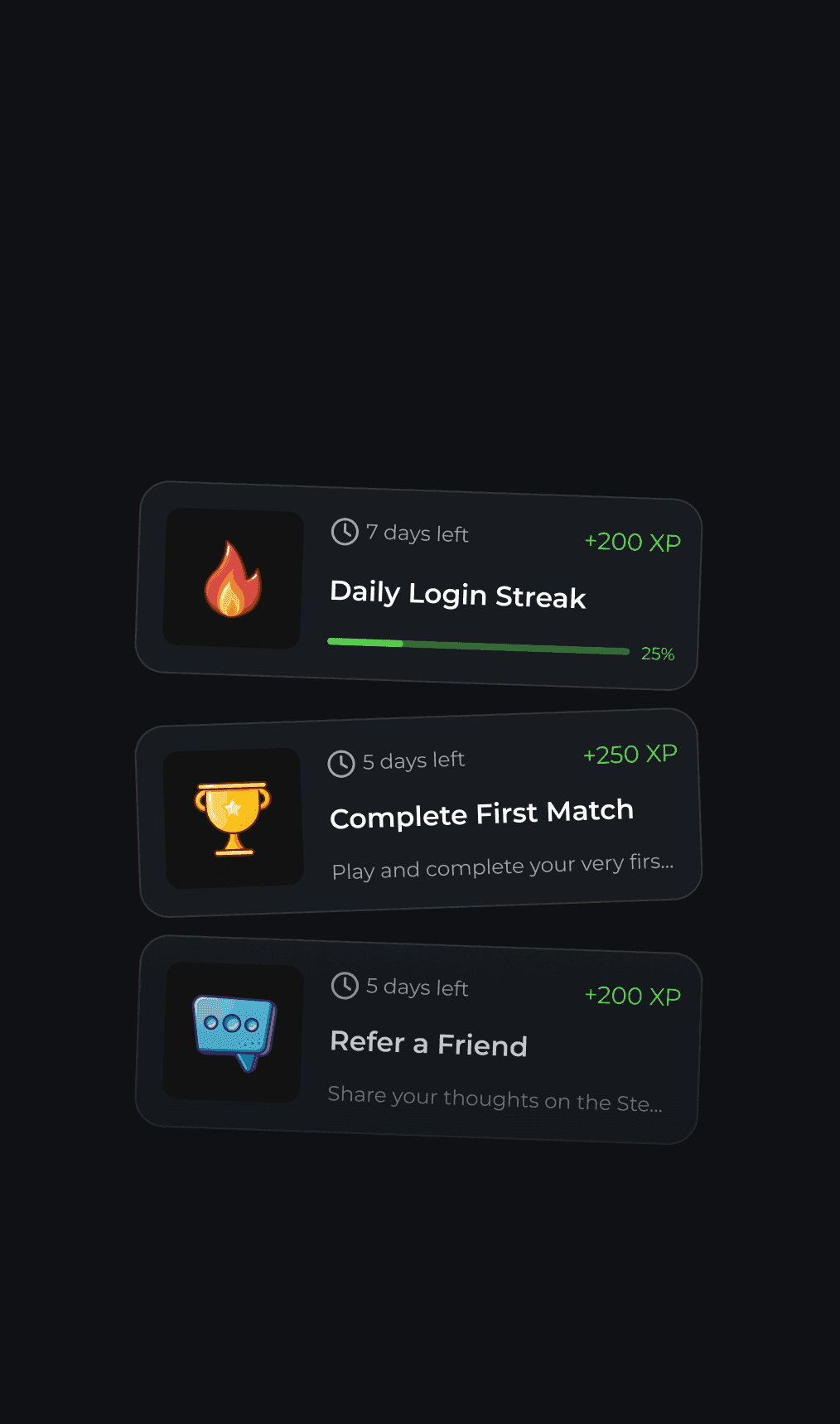
Customer engagement with challenges is 65% higher than standard point-earning activities because gamification for customer engagement taps into competitive and achievement-driven motivation more effectively than loyalty points alone – a proven way to boost product adoption among users who'd otherwise stay passive rather than becoming genuinely engaged users.
Stop Losing Users Before They Experience Value
The leaky bucket is a solved problem – not by spending more on customer acquisition, but by fixing the experience that greets users after they arrive. Every feature of our platform is built on the same principle: product adoption happens when users reach value fast, feel progress accumulating, and have a reason to return that is stronger than the friction of returning.
Loyalty mechanics – missions, streaks, tiers, conditional referrals – are not a separate loyalty program bolted onto your product. They are the product adoption infrastructure that makes all the above 10 strategies compound over time.

If you want to see what that looks like for your specific product – whether you're running a fintech app, a SaaS platform, a B2B loyalty program, a telecom or consumer loyalty program – book a 20-minute walkthrough. Our team will show you the product adoption mechanics in action, not in a slide deck.
Because Enable3 knows how to increase adoption of your product without increasing your CAC.
FAQs
What is product adoption and why is it important?
Product adoption is the complete journey from a user’s first encounter with your product to the point where they’ve integrated it into their daily routines and can’t imagine working without it. It’s not about downloads, sign-ups, or trial starts – these are user acquisition metrics. Product adoption measures whether users actually experience the value your product promises and build lasting habits around using it.
It matters because product adoption directly determines your business sustainability. Without strong adoption, even innovative products fail. A lot of new products don’t succeed, primarily because users abandon them before realizing value. Fixing customer adoption is often the best improvement you can make – it’s cheaper and more effective than doubling marketing costs.
How does product adoption differ from acquisition?
User acquisition measures how many users you attract to your product – sign-ups, downloads, free trial starts. These are top-of-funnel metrics showing interest. Product adoption measures how many of those acquired users actually integrate your product into regular use and realize its value.
You can acquire millions of users through aggressive marketing but completely fail if they don’t adopt your product. Many companies over-invest in customer acquisition (spending heavily on ads and sales) while neglecting product adoption (poor customer onboarding, complex interfaces, inadequate support). This creates leaky bucket scenarios where users churn as fast as they’re acquired. Sustainable growth requires balancing both – attracting the right users and successfully guiding them to the value of your product.
What are the key stages of the product adoption process in marketing?
The six stages are:
Awareness (discovering your product exists through marketing, referrals, or search).
Interest (actively researching and evaluating whether it might solve their problems).
Evaluation (comparing your solution against alternatives and assessing fit for their specific situation).
Trial (testing your product with real use cases to validate it actually works).
Adoption (integrating your product into regular workflows after experiencing value), and
Loyalty (becoming advocates who refer others, provide feedback, and resist competitors).
Users don’t always move linearly through these stages. They might loop back from Trial to Evaluation if initial experiences disappoint. They might skip directly from Awareness to Trial if social proof is strong enough. Understanding where your specific users typically drop off or struggle lets you design targeted interventions that smooth their path to value. Different personas often need different support at each stage – what works for technical users might confuse non-technical users, and vice versa.
How can teams measure and improve new product adoption?
Measure product adoption metrics as follows: activation rate (percentage completing critical setup milestones), time-to-value (days from signup to first success), feature adoption rate (engagement with specific high-value capabilities), DAU/MAU ratio (measuring stickiness), and retention curves (tracking cohort behavior over time).
For improvement, implement systematic iteration: establish baseline metrics, identify friction through quantitative data and qualitative research (user interviews, session recordings), hypothesize interventions, test changes through controlled experiments, measure product adoption results, and scale what works.
How does gamification increase product adoption?
Gamification increases product adoption by replacing passive feature exposure with active progress-based experiences. Mechanics like streaks (daily engagement), quests (sequential feature discovery), and leaderboards (social motivation) give users visible progress toward meaningful rewards, creating habitual engagement loops that make returning feel rewarding rather than effortful. Platforms with gamification show meaningfully higher Day 30 retention than those without.
How do you improve product adoption for existing users?
For existing users who have plateaued at basic feature usage, the three highest-impact interventions to increase product adoption are: (1) milestone-based progressive disclosure of advanced features, (2) in-app contextual guidance triggered by specific usage patterns, and (3) gamification mechanics that reward feature discovery with points, badges, or tier advancement.
What causes low product adoption?
Five patterns of low product adoption show up repeatedly: customer onboarding that's too slow or too generic, insufficient personalization for different user types, no in-app guidance when users get stuck, poor communication of what the product actually does for the user, and no structured incentive to keep coming back. Most low-adoption products have two or three of these simultaneously, not just one – which is why fixing onboarding alone rarely solves the problem on its own.
How long does it take to increase product adoption?
Early signals – activation rate, first-week engagement – typically shift within 2-4 weeks of a change taking effect, since that's how quickly a new cohort moves through onboarding. Deeper metrics like feature adoption depth and 90-day retention take 60-90 days to show a real trend, because you need enough cohorts through the new experience to separate signal from noise. Teams that judge a change after one week are usually reacting to normal variance, not a real result.
What are the five types of product adopters?
Everett Rogers' diffusion-of-innovation model splits adopters into five groups based on how quickly they embrace something new: innovators (the first 2.5%, drawn to novelty itself), early adopters (13.5%, influential and willing to tolerate rough edges for a genuine advantage), early majority (34%, pragmatic and waiting for proof it works), late majority (34%, skeptical and adopting mainly under social or competitive pressure), and laggards (16%, resistant until an old way simply stops being viable). Most product teams over-invest in convincing innovators and under-invest in the much larger early and late majority, who need proof and social validation more than novelty.