Product Updates


When a customer decides to leave your telecom service, they open a competitor’s website, input their phone number, and within 15 minutes they’ve switched a mobile service provider. No penalties. No retention calls. The relationship ends faster than ordering takeout.
According to Oliver Wyman, annual churn is between 20-50% across telecom markets, and acquiring new customers costs 6-7x more than retention. For a carrier with 1 million subscribers at $50 ARPU, 20% annual churn means $120 million in lost revenue plus tens of millions spent reacquiring that same number of customers just to maintain the base.
The retention crisis stems from a fundamental problem: your service is invisible when it works. Customers only notice you when something breaks. Unlike a coffee shop, where daily visits create a habit, telecom operates in the background of customers’ lives.
Loyalty programs emerged as the solution – not traditional points systems, but simple mechanisms giving customers tangible reasons to stay.
T-Mobile pioneered weekly giveaways.
Verizon discounts bills for tenure.
Vodafone deploys AI to offer data boosts before customers run low.
These programs work because they create moments of value beyond connectivity.
What Are Telecom Loyalty Programs?
Definition and Key Goals of Telecom Loyalty Programs
Telecom loyalty programs are structured marketing initiatives designed to encourage ongoing customer engagement, reduce churn, and increase customer lifetime value by rewarding subscribers for their tenure, usage, and advocacy. Unlike transactional loyalty schemes that simply exchange points for prizes, sophisticated telco loyalty programs create multi-dimensional value through recognition, exclusive experiences, personalized offers, and partner benefits that extend well beyond core connectivity services.
The goal is behavioral change measured in hard metrics. You’re building a program to:
Cut churn by 15-25% among program participants through increased switching costs
Grow ARPU by 8-12% via targeted upsell and cross-sell to engaged members
Extend tenure by 18-24 months on average through recognition and rewards
Reduce acquisition dependency by maximizing value from existing customers
Generate competitive moat that price-focused competitors struggle to match.
McKinsey analysis shows that telcos with mature loyalty programs achieve 25-30% higher customer lifetime values compared to operators relying solely on service quality and pricing. The programs that deliver these results share common architecture: usage-based personalization, tier-based recognition, partner ecosystem integration, and frictionless digital experiences.
Customer Loyalty in Telecommunication Industry vs Other Sectors
Customer loyalty in the telecommunication industry operates under unique constraints and opportunities compared to retail, hospitality, or financial services. Unlike a coffee shop, where customers make multiple weekly purchase decisions, telecom services are typically “set and forget” – subscribers sign up for a plan and interact with their provider infrequently except when problems arise or contracts expire.
This creates distinct challenges:
Aspect | Retail/CPG | Airlines/Hotels | Telecom |
Purchase frequency | High (weekly/daily) | Medium (monthly/quarterly) | Low (annual contract cycles) |
Emotional engagement | Medium | High (aspirational) | Low (utility-driven) |
Switching barriers | Very low | Low to medium | Medium (contract, porting hassle) |
Service differentiation | High | High | Low (commoditized) |
Customer touchpoints | Many | Many | Few (mostly digital/support) |
Loyalty driver | Habit, preference | Status, experiences | Inertia, value, service quality |
Because telecom customers interact with their provider infrequently and view connectivity as a utility, building genuine loyalty requires telcos to create reasons for ongoing engagement beyond the monthly bill. This is why successful telco rewards programs focus heavily on digital touchpoints, gamification, partner ecosystems, and proactive service gestures rather than waiting for customers to accumulate points passively.
Why Telco Loyalty Programs Matter More Than Ever
Price Competition, Churn, and Commoditized Services
The telecommunications industry has become heavily commoditized. When customers perceive minimal differences in network quality, coverage, or service between major carriers, price becomes the dominant decision factor. This commoditization trap forces operators into destructive price wars that erode margins while doing little to build sustainable competitive advantage.
Consider the state of mature mobile markets: unlimited data plans have become table stakes, 5G rollout is reaching ubiquity among major carriers, and regulatory pressure on roaming charges and contract terms has further narrowed differentiation opportunities. In this environment, the customer who joined your network three years ago for $50/month can find a virtually identical plan from a competitor for $40/month – and aggressive challenger brands will spend heavily to make sure that offer lands in their inbox.
Research from YouGov reveals that 32% of mobile users would consider switching providers primarily based on price, while only 19% cite network quality as their main loyalty factor. This price-first mentality creates a vicious cycle: telcos discount to retain and acquire, margins compress, investment in genuine service improvements declines, and differentiation erodes further.
Telecom loyalty programs break this cycle by shifting the conversation from price to value. When customers earn meaningful telco rewards, enjoy exclusive partner benefits, and receive recognition for their tenure, they become less likely to churn over small price differences. A customer earning data boosts, streaming subscriptions, and device upgrade credits values the total relationship beyond the monthly line item.
How Telco Rewards Support ARPU, CLV, and Brand Preference
Average Revenue Per User (ARPU) and Customer Lifetime Value (CLV) are the foundational metrics of telecom economics. In saturated markets where subscriber growth is flat or negative, the only path to revenue expansion is increasing what each customer pays over time and how long they remain subscribed.
Telco loyalty programs drive both metrics through several mechanisms:
Encouraging family plan additions and line upgrades
Promoting premium tiers with rewards for stepping up
Driving adoption of value-added services (device insurance, content bundles)
Creating purchase occasions through time-limited offers
Reducing discount dependency by providing perceived value through rewards
Extending customer tenure by reducing voluntary churn
Creating sunk-cost psychology through unredeemed points and tier status
Building switching costs through partnership integrations
Generating advocacy that lowers acquisition costs for new customers
Enabling proactive retention through early warning signals
According to Bain & Company research, increasing customer retention rates by just 5% can increase profits by 25-95%, with telecom sitting at the higher end of that range due to high customer acquisition costs. When you consider that acquiring a new telecom customer costs 5-7 times more than retaining an existing one, the ROI case for investing in customer loyalty in the telecommunication industry becomes compelling.
Beyond the math, effective loyalty programs build brand preference – an increasingly valuable asset in markets dominated by rational price comparison. Customers who feel emotionally connected to their telco brand recommend it to friends, forgive service hiccups, and resist competitive offers. This brand equity translates directly to resilience during market disruptions and increased pricing power over time.
The Competitive Landscape: 5G, Digital-First MVNOs, and Retention Economics
The telecom competitive landscape is undergoing simultaneous disruption from multiple directions. Traditional network operators face pressure from digital-first Mobile Virtual Network Operators (MVNOs) that operate with lower cost structures and hyper-targeted propositions, challenger brands offering simplified plans through app-only experiences, and tech giants entering adjacent spaces with bundled connectivity offers.
The 5G transition, while creating opportunities for differentiated services, has also proven expensive and complex to monetize. Most consumers haven’t experienced compelling use cases that justify premium 5G pricing, and the capital intensity of network upgrades pressures margins. Meanwhile, MVNOs can wholesale access to the same 5G infrastructure at wholesale rates and compete aggressively on price without bearing deployment costs.
Consider how companies like Mint Mobile (acquired by T-Mobile) disrupted the US market with ultra-low prices and digital-only acquisition, or how digital-native operators like Giffgaff in the UK built community-driven models that turn customers into advocates and support agents. These competitors leverage lower cost structures and superior digital experiences to win price-sensitive segments while traditional telcos struggle with legacy systems and retail footprints.
In this environment, retention economics become paramount. The cost to serve existing customers is a fraction of new customer acquisition spending, yet many telcos allocate loyalty budgets at 10-20% of acquisition budgets despite existing customers representing 100% of current revenue. Telecom loyalty programs represent a strategic rebalancing – investing in the customers you already have to maximize their value before they become competitors’ acquisition targets.
Smart telco operators recognize that loyalty programs aren’t merely defensive retention tools but platforms for innovation. By creating digital engagement loops, partnership ecosystems, and personalized value delivery, loyalty programs become the foundation for transforming telecom from a commodity pipe into a lifestyle platform.
Core Elements of Effective Telco Loyalty Programs
Earn and Burn Mechanics for Telco Rewards
The foundation of any loyalty program is its earn and burn structure – how customers accumulate value and how they redeem it. In telecom, this mechanism must balance simplicity (customers shouldn’t need a PhD to understand it) with flexibility (one-size-fits-all rarely works across diverse customer segments).
Earning mechanisms:
Tenure-based earning: Automatic monthly points credited simply for remaining a customer, with multipliers for longer tenure (e.g., 2x points after 2 years, 3x after 5 years).
Usage-based earning: Rewards tied to consumption behaviors such as data usage, international calling, or bill payment milestones.
Behavioral earning: Points for digital engagement like downloading the app, enabling autopay, referring friends, leaving reviews, or completing profile information.
Transactional earning: Rewards for purchasing devices, accessories, add-on services, or upgrading plans.
Partner earning: Points accumulated through loyalty partnerships with retailers, restaurants, or other brands in a coalition structure.
Redemption options:
The most successful telco rewards programs offer redemption flexibility across categories that matter to telecom customers:
Bill credits: Direct reduction of monthly charges
Data boosts: Temporary or permanent increases to data allowances
Speed upgrades: Enhanced network priority or faster connection speeds
Device subsidies: Discounts on smartphone upgrades or accessories
Content access: Streaming subscriptions, music services, e-book credits
Roaming packages: International data or calling bundles
Partner rewards: Discounts or vouchers at partner merchants
Charitable donations: Options to donate points to social causes
Experiential rewards: Tickets to concerts, sports events, or exclusive experiences
According to industry benchmarks, the most effective earn rates in telecom range from 1-5 points per dollar of monthly spend, with redemption thresholds positioned to be achievable within 3-6 months for engaged customers. Programs with redemption rates below 20% (too many unattainable rewards) or above 80% (rewards too cheap, high breakage costs) typically underperform.
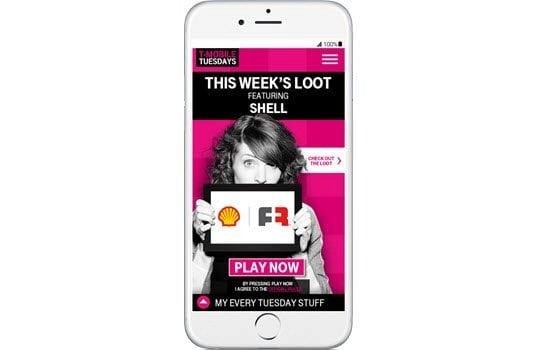
For instance, T-Mobile Tuesdays. Every Tuesday, new offers drop. Customers open the app and claim perks – free gas at Shell, movie tickets, restaurant discounts. The “earning” happens passively – you’re a customer, you automatically qualify. Redemption is instant – tap to claim, use immediately. No tracking balances, no calculating sufficiency, no waiting months.
Verizon took a simpler approach: automatic tenure discounts. Prepaid customers get $5 off after 3 months and $10 off after 9 months. No app. No claiming. Just automatic bill credits. After nine months, canceling means losing $120 annual savings – tangible switching cost.
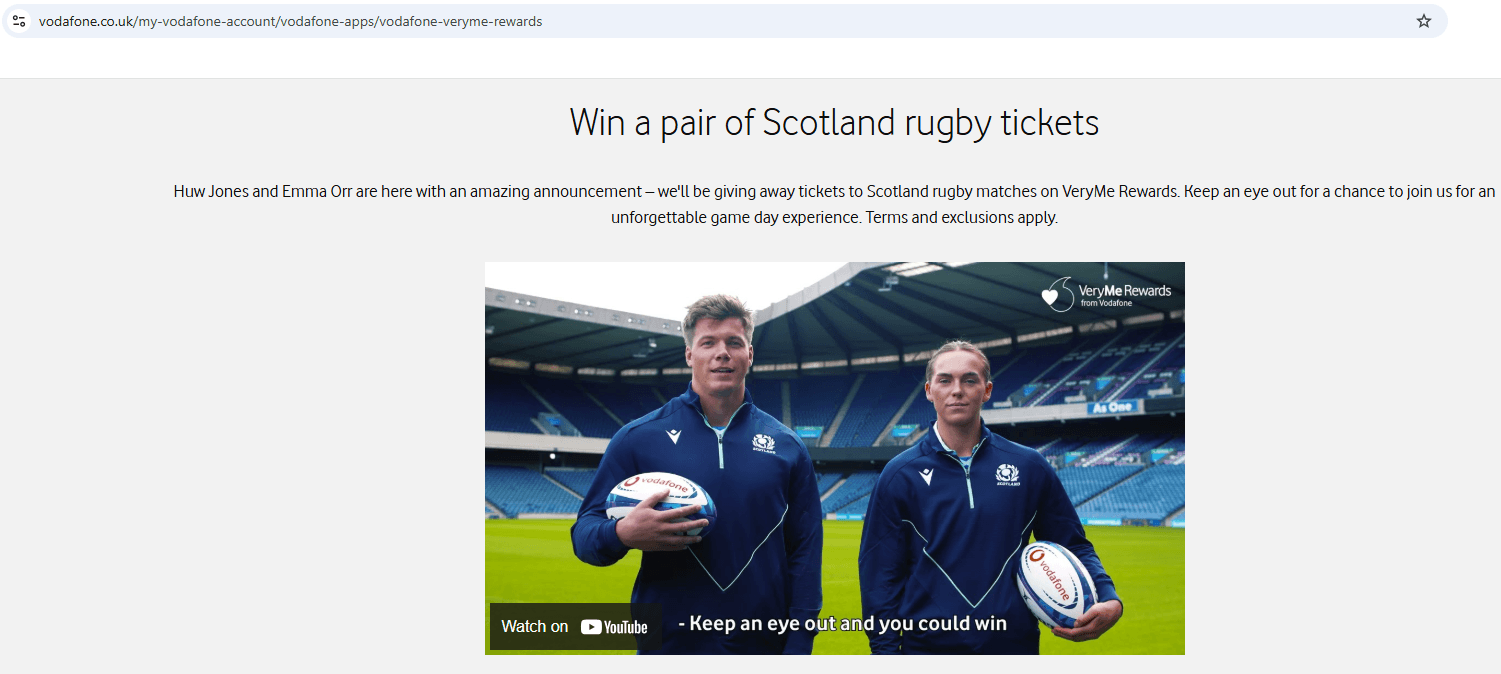
Vodafone VeryMe combines both: instant deals requiring no earning, plus points for premium rewards. AI-driven personalization shows relevant offers – diners see restaurants, data users get boosts, travelers see roaming deals.
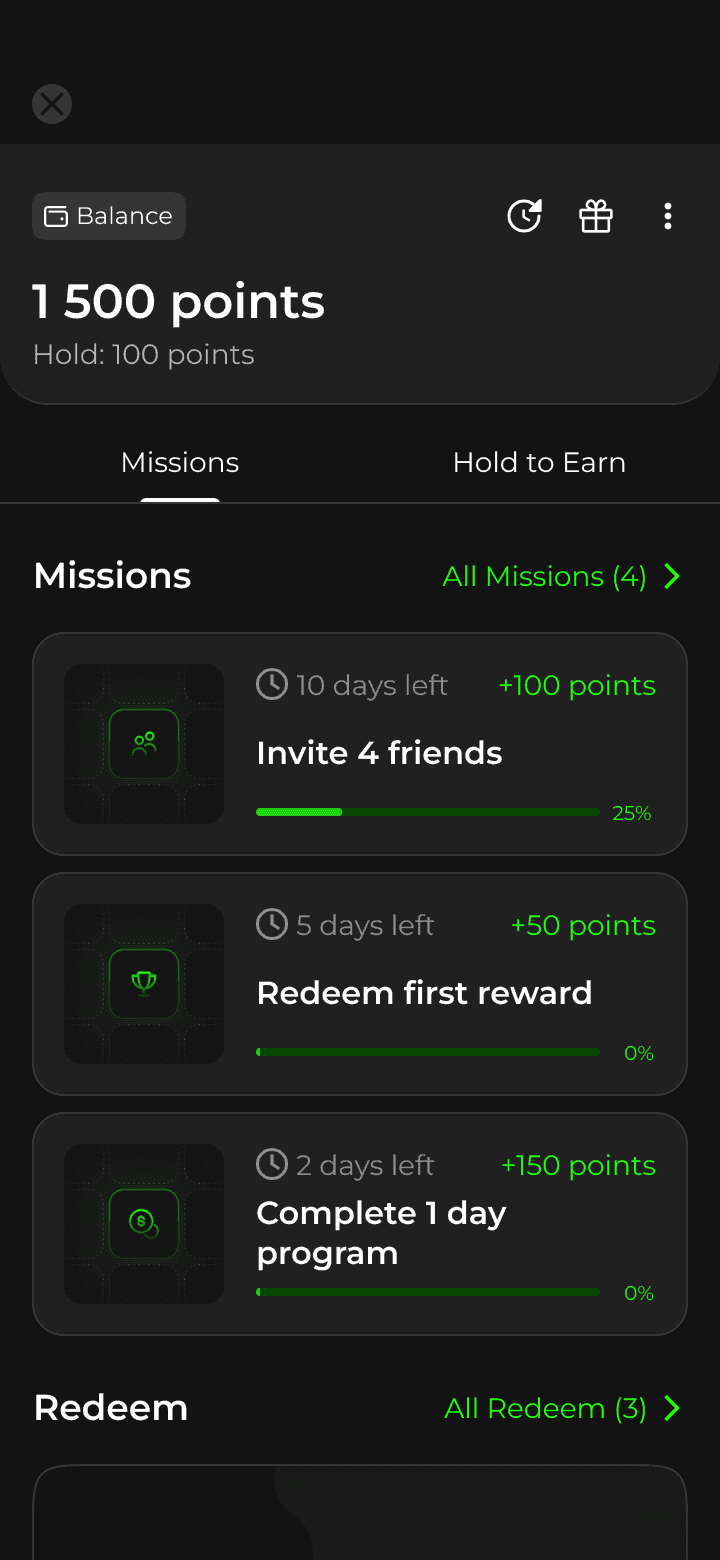
For telcos building similar loyalty programs, platforms like Enable3 make this simple through mission-based engagement. Instead of complex point calculations, define missions that drive business outcomes – app logins, on-time payments, plan upgrades, referrals – and reward them instantly. No developers required to launch or iterate.
Tiers, Status, and Recognition for Long-Term Subscribers
Tiering creates aspirational status levels that recognize and reward your most valuable customers while encouraging others to increase their engagement to reach higher tiers. In telecom, where tenure is a critical predictor of lifetime value, tier structures should heavily weight longevity alongside spend.
Common telco tier structures:
Tier | Qualification | Benefits |
Silver | 0-12 months tenure or base spend | Standard earn rate, basic support |
Gold | 12-36 months tenure or medium spend | 1.5x earn rate, priority support, device insurance discount |
Platinum | 36+ months tenure or high spend | 2x earn rate, dedicated support line, exclusive partner offers, early access to new devices |
Diamond | 60+ months or very high CLV | 3x earn rate, white-glove support, VIP experiences, family plan benefits |
The psychological power of tiers lies in status recognition and loss aversion. A customer who has achieved Gold status and enjoys priority support is reluctant to churn and restart as a base-tier member with a competitor. This sunk-cost bias can reduce churn by 20-30% among tiered members according to loyalty program benchmarks.
But now some mobile phone carriers are testing a new approach to tier structures.
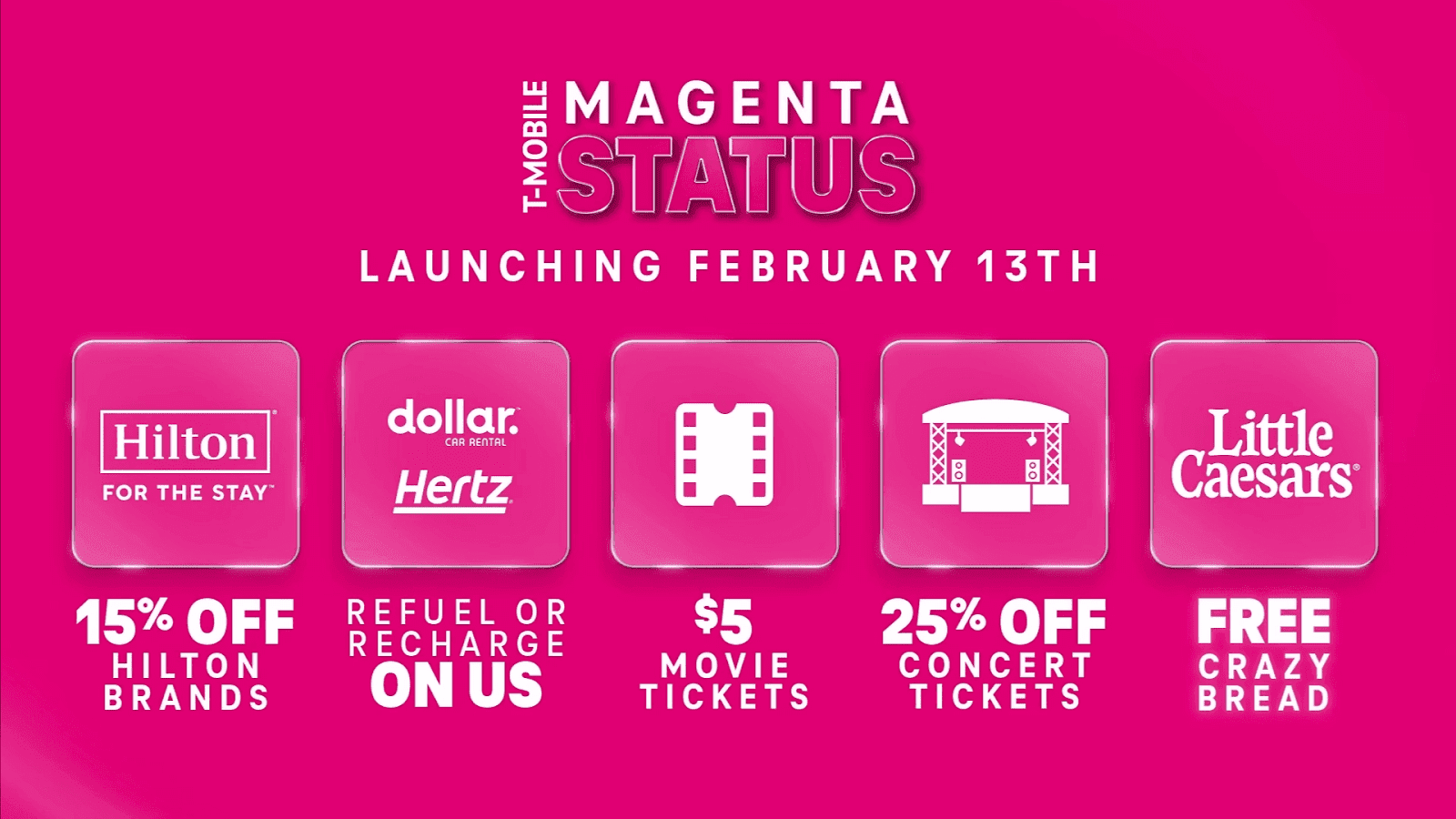
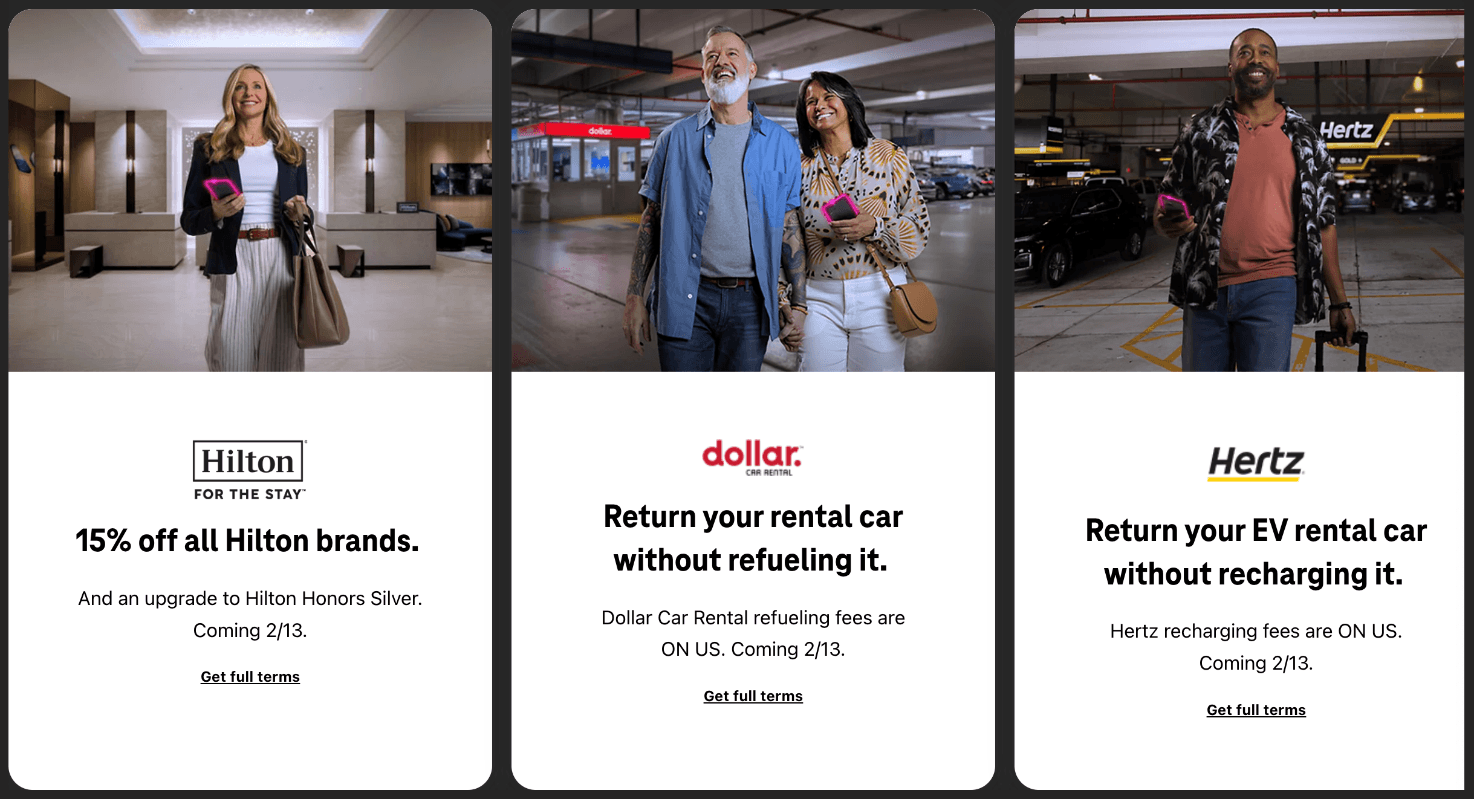
For example, T-Mobile’s Magenta Status, launched in February 2024, provides VIP benefits from day one rather than making customers earn status. This inverts traditional loyalty logic – you’re valued immediately, not eventually. The program includes exclusive deals with Hilton, Hertz, Dollar, plus concert and sporting event access.
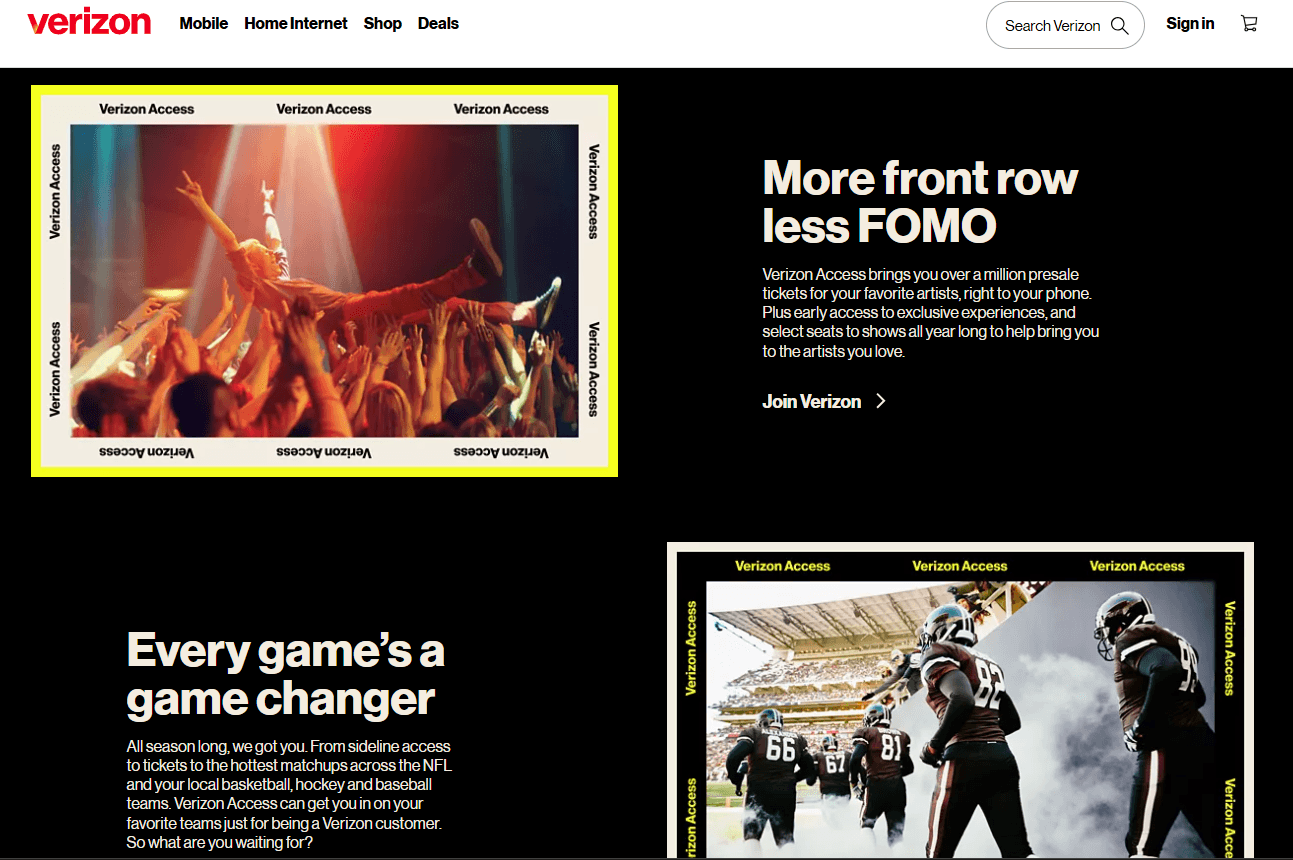
Verizon myAccess targets postpaid and most prepaid smartphone customers with personalized deals, local passes to exclusive events, presale tickets, and anniversary rewards. The program creates tiered value through exclusive experiences rather than explicit status levels.
Vodafone VeryMe uses AI-driven personalization, creating de facto tiers without explicit labeling. High-value customers receive better offers, creating perceived status without the rigidity of named tiers.
The strategic choice: Traditional tier structures (Silver/Gold/Platinum) work best when you want customers actively aware of their status and striving for the next level. The transparent progression (“500 points to Platinum”) creates aspiration. This works well for competitive, achievement-oriented segments.
Implicit tiers (like Vodafone's AI approach) or instant-status models (like T-Mobile Magenta Status) work better when tier complexity might intimidate or when you want to avoid customer frustration about “why am I stuck in Silver?” Both approaches create differentiated experiences, but implicit tiers feel personalized rather than hierarchical.
The decision depends on your brand positioning and customer demographics. Premium carriers with affluent customers can use explicit multi-tier structures because status recognition resonates. Value brands or carriers targeting the mass market might find instant-status or implicit models less intimidating and more inclusive.
Regardless of approach, tier programs must improve benefits at 1, 3, and 5+ year tenure milestones. Long-tenure customers deserve escalating recognition that creates compound switching costs – the longer you stay, the more you sacrifice by leaving.
Digital Experience: App, Self-Service, and Real-Time Offers
Your mobile app is your loyalty engagement platform. Customers who open your app weekly engage with loyalty features 4-5x more than customers who only log in during billing issues, and engaged members churn at 60% lower rates.
Essential digital loyalty features:
Real-time points dashboard with earning history, redemption tracking, and tier progress visualization. Transparency builds trust and creates engagement triggers (checking balance, reviewing rewards).
Personalized reward catalog filtered by points balance, usage patterns, and demonstrated preferences. Heavy data users see data boosts prominently; device upgraders see trade-in bonuses; travelers see roaming packages.
Gamification mechanics, including challenges (enable autopay this week for 500 bonus points), streaks (bill payments on-time for 6 consecutive months earns status boost), and progress bars showing path to tier upgrades or reward thresholds.
One-tap redemption with instant digital fulfillment. The gap between “I want this reward” and “I have this reward” should be under 30 seconds for digital benefits. Friction kills redemption and engagement.
Push notification engine delivering timely, contextual offers: points expiring in 30 days, tier status upgrades achieved, exclusive limited-time rewards, or contract renewal bonuses. Notifications should drive app openings and redemptions, not annoy customers.
Telco Partnering Programs and Coalition Rewards
Building Telco Partnering Programs That Add Value
Connectivity isn’t exciting. Nobody wakes up grateful for their data plan. But people do wake up planning vacations, looking forward to dinner, excited about concerts. Partnerships let telcos tap into naturally exciting categories while positioning themselves as lifestyle enablers.
Necessity-based partnerships create frequent touchpoints. T-Mobile’s Shell fuel rewards save customers $225+ annually. This transforms grudge purchases into positive T-Mobile moments. Shell generates 50+ brand interactions annually – frequency drives habit. The strategic value extends beyond frequency – necessity partners also provide predictable cost structures. Unlike experience-based partnerships with variable inventory, fuel discounts scale infinitely at negotiated rates.
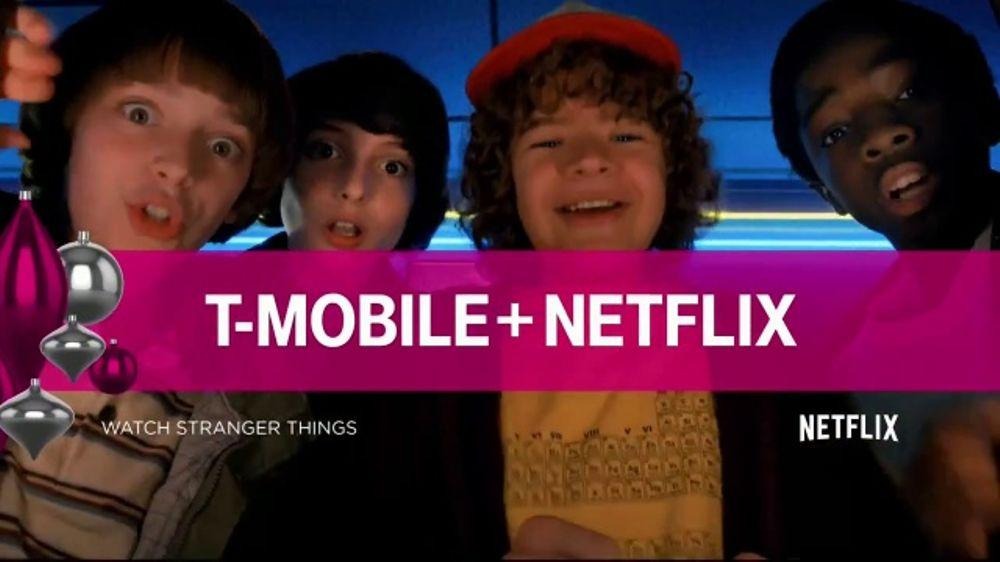
Service bundling creates switching costs. T-Mobile includes Netflix in most plans. Cancel T-Mobile, and you lose Netflix too – not just phone service but streaming for the whole family (no more watching Stranger Things? It’s a good example of customer acquisition and retention). This creates meaningful inertia. The economics work because streaming services have low marginal cost per subscriber. T-Mobile negotiates wholesale rates far below retail, delivering high perceived value at a fraction of retail cost.
Experience-based partnerships create aspirational halo effects. T-Mobile Magenta Status travel partnerships with Hilton and Hertz provide tangible value for frequent travelers. But entertainment partnerships create more emotional resonance. Exclusive concert presales transform T-Mobile from a commodity provider into the reason you got tickets. Festival VIP packages and premium sporting access don’t benefit most customers (limited availability), but they elevate brand positioning.
Localization matters: Vodafone VeryMe includes regional and local partners alongside national brands. London customers see different restaurant offers than Manchester customers, tailored to geographic availability. Localized, personalized offers show 3-5x higher redemption than generic national offers.
Co-Branded Telco Rewards and Shared Wallets
Co-branded rewards represent the deepest form of partnership, where telco loyalty programs and partner brands create unified value propositions that benefit both parties. The classic example is co-branded credit cards, but the model extends to numerous coalition loyalty configurations.
Co-branded credit cards: A telco-branded credit card issued by a banking partner that earns enhanced telco rewards on all purchases while providing credit card benefits. Customers earn 3x points on telco bills, 2x on partner categories, and 1x on everything else, with points redeemable for bill credits, devices, or partner rewards.
Benefits for telcos include:
Revenue share from credit card spending and interest
Deeper customer insight through payment data
Increased switching costs through integrated financial relationships
Top-of-wallet share for everyday spending
Shared loyalty wallets: Coalition structures where telco points are fungible with partner program points at defined conversion rates. A customer might transfer 1,000 telco points to an airline program at a 1:0.5 ratio, or convert retail points to data boosts.
This liquidity increases the perceived value of rewards since customers can direct points to their highest-priority needs at any given moment. A customer saving for a vacation can convert telco points to travel rewards, while another upgrading devices keeps points in the telco ecosystem.
White-label marketplace platforms: Some telcos deploy unified loyalty marketplaces where members shop across hundreds of partner brands with telco points as currency. These platforms (similar to bank reward portals) aggregate partner offers, handle point conversion logic, and provide seamless checkout experiences.
Enable3's partnership management framework supports multi-partner integrations with configurable conversion rules, real-time point transfers, and automated revenue settlement between coalition participants – all without requiring custom API development for each partnership.
How Partnerships Add Value Beyond Core Connectivity
Partnerships solve telecom’s differentiation challenge. By partnering with lifestyle brands in travel, entertainment, dining, and retail, telcos position themselves as lifestyle enablers instead of utility providers.
Phone plans are monthly but invisible. Partner rewards create weekly or daily touchpoints. T-Mobile delivered over one billion “thankings" since 2016 – millions of positive brand interactions that wouldn’t exist otherwise.
Partnerships reveal customer preferences beyond telecom usage. Redemption patterns create 360-degree profiles enabling personalization. Partner-subsidized rewards deliver high-perceived-value benefits at a fraction of direct discount costs.
Designing a Telecom Loyalty Program Step by Step
Segment Your Base and Define Loyalty Objectives
One-size-fits-all programs waste money on customers who would stay anyway, while under-investing in those at risk.
Your top 20% of customers by ARPU typically generate 60-80% of profit. A customer paying $150/month for a family plan generates $1,800 annually. At 60% margin, that’s $1,080 profit. If your loyalty program costs $5/month ($60 annually) but reduces this segment’s churn by 10%, ROI is immediate. Design exclusive experiences for this segment – concierge support, VIP access, early device releases.
The middle 60% needs balanced programs delivering consistent value. Weekly perks work well. Low-value prepaid customers (bottom 20%) need immediate, transparent value – simple discount structures like Verizon’s automatic bill credits.
Behavioral segmentation identifies risk independent of value. At-risk customers show decreased usage, support complaints. These need aggressive retention 60-90 days before expected churn, not after deciding to cancel. Growth potential customers show high engagement but low ARPU – use loyalty to create natural upgrade paths through temporary speed upgrades and premium feature trials.
Choose Your Reward Structure and Partner Ecosystem
Instant gratification model (T-Mobile’s approach) works in highly competitive markets. Weekly perks deliver consistent touchpoints. It requires medium operational complexity managing partnerships, and offers rotations. Cost is largely partner-subsidized. Best for fighting share battles, targeting younger demographics, driving app engagement.
Tenure discount model (Verizon’s approach) works for premium carriers with strong brand equity. Automatic bill credits require low complexity – billing systems handle everything. Cost is high (direct margin impact), but creates clear switching costs. Best for price-sensitive segments, operational constraints, simple differentiation.
Hybrid model (Vodafone’s approach) balances immediate gratification with long-term aspiration. Instant deals plus points for premium rewards. High complexity managing both currencies. Suits diverse customer bases, multi-service providers, brands with sophisticated personalization.
For most telcos, a hybrid approach works best: tenure-weighted point earning (to reward longevity), spend-based multipliers (to drive ARPU), behavioral bonuses (to drive engagement), with redemption flexibility across bill credits (universal), device subsidies (high-value moments), and partner rewards (lifestyle integration).
Partner ecosystem design should focus on 5-10 strategic anchor partners across key categories (banking, retail, travel, entertainment) rather than dozens of marginal partnerships that create choice paralysis. Quality and relevance trump quantity.
Map Journeys for Enrollment, Engagement, and Monetization
Loyalty programs fail if customers don’t know they exist or can’t figure out how to use them. Map every touchpoint.
Join journey (<2 minutes, >80% completion):
1. Discovery: In-app banner appears immediately after account activation. Email welcome series mentions program. Retail staff mentions during signup.
2. Enrollment: One-tap via authenticated app – no separate registration form. Customer already logged in through account authentication, so enrollment requires only accepting terms.
3. Confirmation: Immediate welcome bonus delivered – first reward available instantly, not “check back next week.” This creates instant gratification, proving program value.
4. Activation: Push notification when the first weekly reward drops: “Your Tuesday rewards are here – 3 new offers waiting.”
Engagement journey (target: weekly interaction):
1. Trigger: Push notification Tuesday 5 AM: “Good morning! Your weekly rewards are ready.” Timing matters – early enough to plan the day around offers.
2. Browse: Visual grid showing offers, AI-personalized order putting the most relevant offers first based on past redemption behavior.
3. Selection: Tap to claim with a preview showing exactly what you’re getting, where to use it, and expiration. No mystery mechanics.
4. Anticipation: Countdown timer for time-limited offers. Reminder notifications 24 hours before expiration for claimed but unused rewards.
Redemption journey (<15 seconds from claim to use):
1. Access: One-tap from home screen or notification to view claimed rewards in the wallet section.
2. Redeem: QR code for in-person redemption, voucher code for online, or instant discount automatically applied at partner checkout.
3. Use: Partner scans QR code at point of sale, or customer enters voucher code at online checkout. Process identical to standard coupons – no special training needed for partner staff.
4. Confirmation: Receipt showing savings, post-redemption satisfaction survey (1-5 stars), suggestion for next reward based on what you just redeemed.
Upgrade journey (loyalty driving revenue):
1. Insight: “Customers like you who upgraded to Premium saved an average of $15/month through better rewards. You’ve already earned $47 in rewards this year – Premium members would have earned $94.”
2. Offer: Exclusive loyalty discount on upgrade available only to program members – $10/month off Premium plan for first 3 months, eliminating price difference between current and premium.
3. Comparison: Simple current vs. upgrade view showing better rewards, faster speeds, additional features. Focus on loyalty program benefit differences more than technical specs.
4. Conversion: One-tap upgrade with prorated billing starting immediately. New premium rewards available within minutes, creating instant gratification for the upgrade decision.
Test every flow on actual devices, iOS and Android, with spotty network connections. Best programs work smoothly on 3G networks because loyalty shouldn’t require perfect connectivity.
Enable3’s journey orchestration capabilities allow telecom operators to design and deploy these multi-channel experiences with visual workflow builders, automated trigger logic, and A/B testing frameworks that optimize each touchpoint based on conversion and engagement metrics.
Launch a telco loyalty program in days, not quarters
No-code missions, tiers and referrals built for carriers.

Examples and Ideas for Telco Rewards
Service-Based Rewards Improving Core offering
Direct improvements to core service create the most immediate value perception:
Data management innovations
Virgin Mobile (UK) automatically rolls unused data to next month, eliminating “use it or lose it” frustration. Vodafone offers surprise data boosts – before you run out, not after. Three UK included “Go Binge” providing data-free streaming for members, meaning Netflix, YouTube, and Spotify don’t count toward data caps.
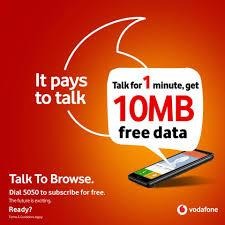
These rewards work because they solve actual customer pain points around their core purchase. Running out of data mid-month is frustrating. Getting a surprise boost before that happens transforms frustration into appreciation.
Speed and performance upgrades
Temporary premium speed access as tenure reward – upgrade from 4G to 5G Ultra Wideband for a month. Gaming mode with reduced latency for 2+ year customers. Priority network access during congestion for long-tenure customers.
These upgrades cost the carrier nothing (you’re reallocating existing network capacity) but deliver measurable perceived value.
Device ecosystem rewards
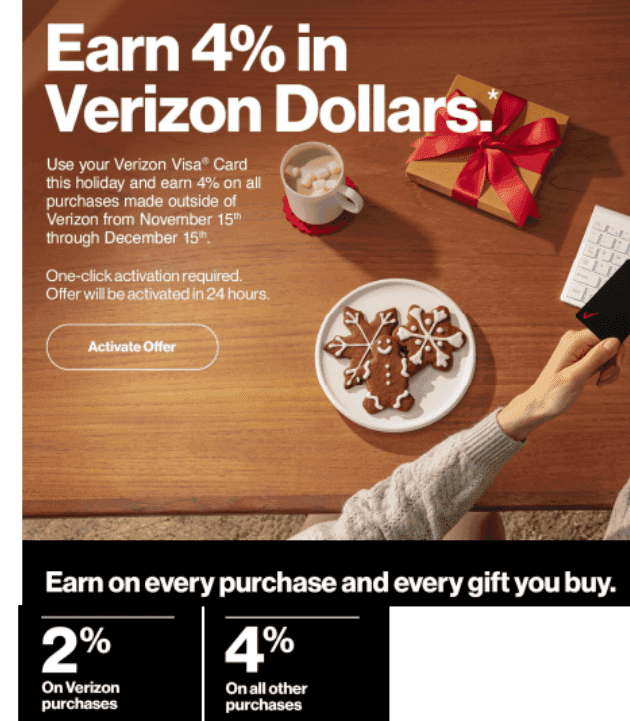
Verizon Dollars accumulate over time, reducing the next upgrade cost. T-Mobile Jump program allows frequent upgraders to trade in earlier with reduced fees. Samsung partnerships offering exclusive colors or memory upgrades for loyalty members. Points redeemable for cases, chargers, wireless earbuds at wholesale cost. Limited edition accessories only for program members.
Early access and beta programs
iPhone pre-orders open 48 hours early for loyalty members. Beta testing for network features or new plans with feedback shaping the final product. First access to eSIM technology or new services before public launch.

This creates status through access rather than through spending.
Content and Entertainment Partnerships
Content became the primary differentiator when connectivity commoditized:
Streaming bundles
T-Mobile includes Netflix Basic in most plans, Netflix Standard in premium tiers. Verizon offers a choice of Disney+, Hulu, or Apple Music with selected plans. AT&T bundles HBO Max with unlimited plans. Vodafone offers free one-month streaming trials as rewards rotating through different services.
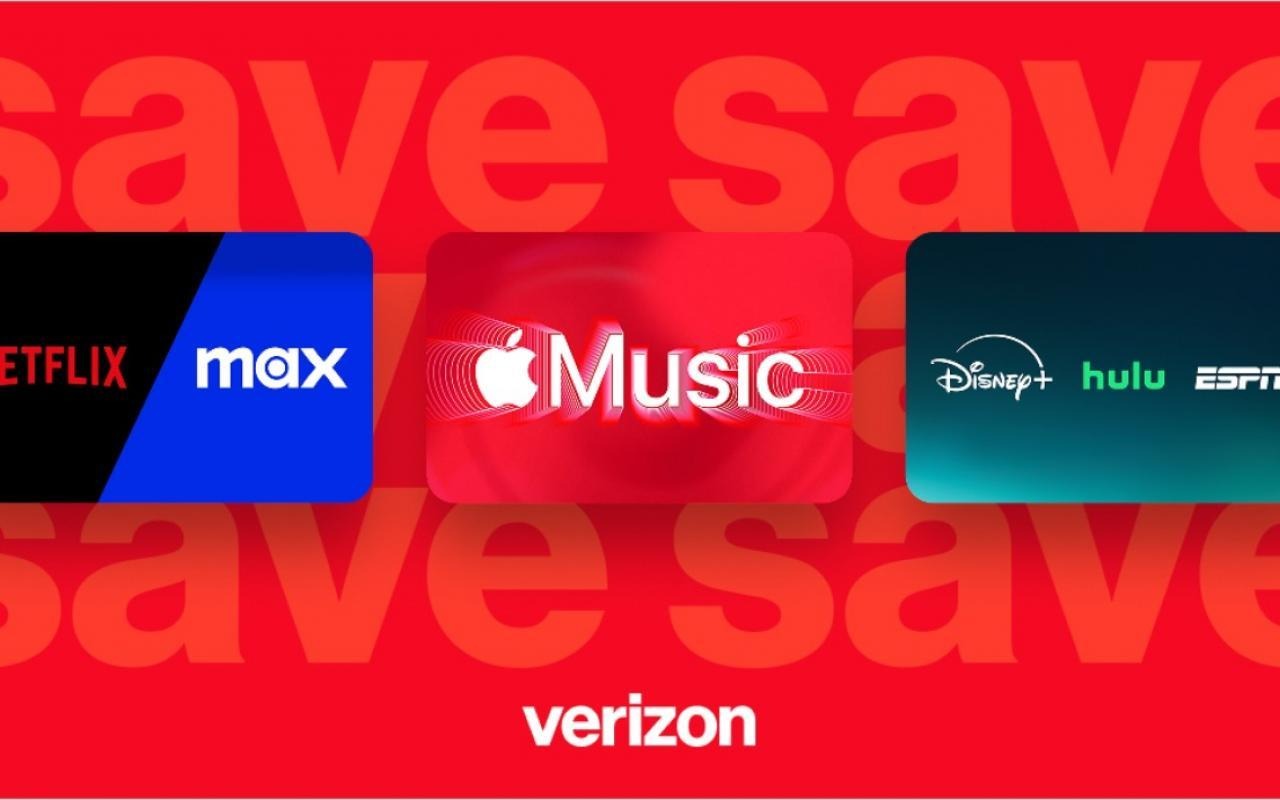
The strategic value extends beyond retention. Streaming bundles allow premium pricing that appears justified because customers perceive the bundle value. A $80/month plan with Netflix included feels like better value than a $70/month plan without it, even though Netflix wholesale costs the carrier far less than $10/month.
Entertainment access
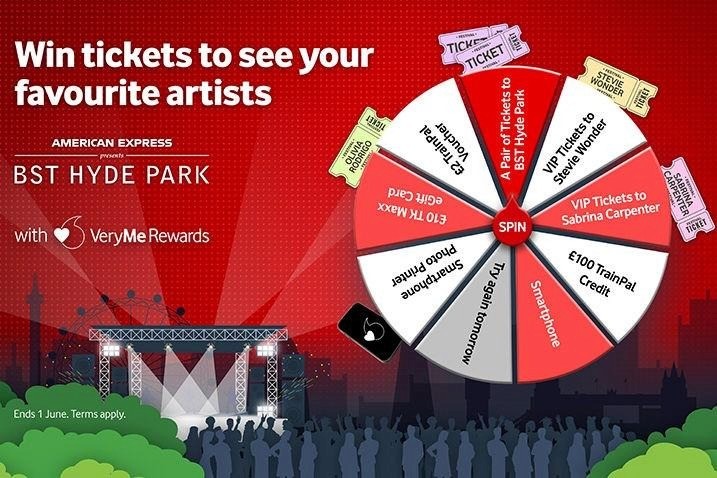
O2 UK Priority provides exclusive content and early release access. T-Mobile Magenta Status gives enhanced international benefits and entertainment experiences. Verizon Up provides pre-sale access to major sporting and music events. Vodafone VeryMe creates VIP experiences at festivals and sports matches.
Gaming integrations
Partnerships with Xbox Game Pass, PlayStation Plus, Apple Arcade providing membership discounts or trial periods. Exclusive in-game items or currency for mobile games. Tournament access and esports viewing parties for enthusiast segments. Reduced-latency gaming modes for competitive players.
Community Initiatives and Social Impact
Loyalty programs connect customers to causes, building affinity beyond transactions:
Environmental programs
Enhanced trade-in value for loyalty members, encouraging device recycling. Plant a tree for every X years of tenure through partnerships with reforestation organizations. Carbon offset programs funded by point donations – customers donate accumulated points, carrier matches donations for carbon credits, offsetting network operations.
Social causes
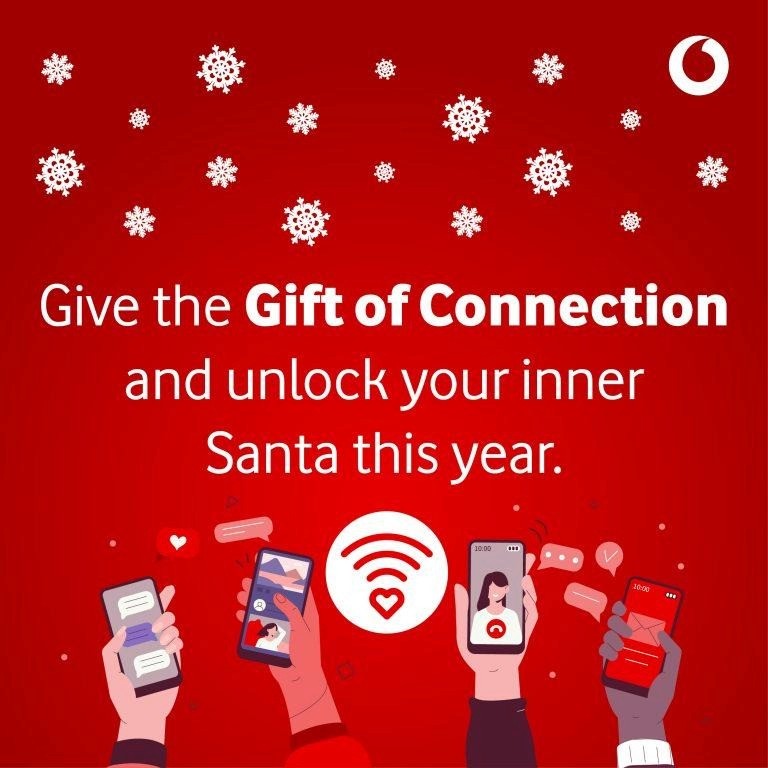
Points donations to local schools or charities selected by customers. Carrier matches customer donations made through the app up to certain limits. Exclusive volunteer day invites for members partnering with local nonprofits. Vodafone programs provide devices and connectivity to underserved communities, with members nominating families for free connectivity. Digital literacy programs with rewards for completion.
Local community support
Donate loyalty currency directly converted to food bank meals. Support refugee connectivity programs through point donations. Mental health awareness campaigns with participation rewards. Disaster relief matching where a carrier doubles customer point donations converted to emergency communications equipment.
This builds affinity beyond transactions – you’re a force for good, not just a phone company. Customers increasingly expect brands to stand for something beyond profit. Loyalty programs provide a natural vehicle for demonstrating values while engaging customers around shared causes.
Customer Loyalty in the Telecommunication Industry: Best Practices
Gamification Mechanics That Drive Retention
Gamification in telecom loyalty differs from gaming or retail. The goal isn’t entertainment – it’s creating engagement loops that drive business outcomes while feeling effortless to customers.
Mission-based engagement works because missions tie directly to business value. Instead of “earn 100 points for anything,” create specific missions: “Enable autopay (unlock 5GB bonus data),” “Refer a friend (both get $50),” “Upgrade to unlimited (unlock Netflix).” Each mission has a clear value proposition and immediate reward. Completion rates for well-designed missions typically hit 60-80% versus 10-20% for arbitrary point accumulation.
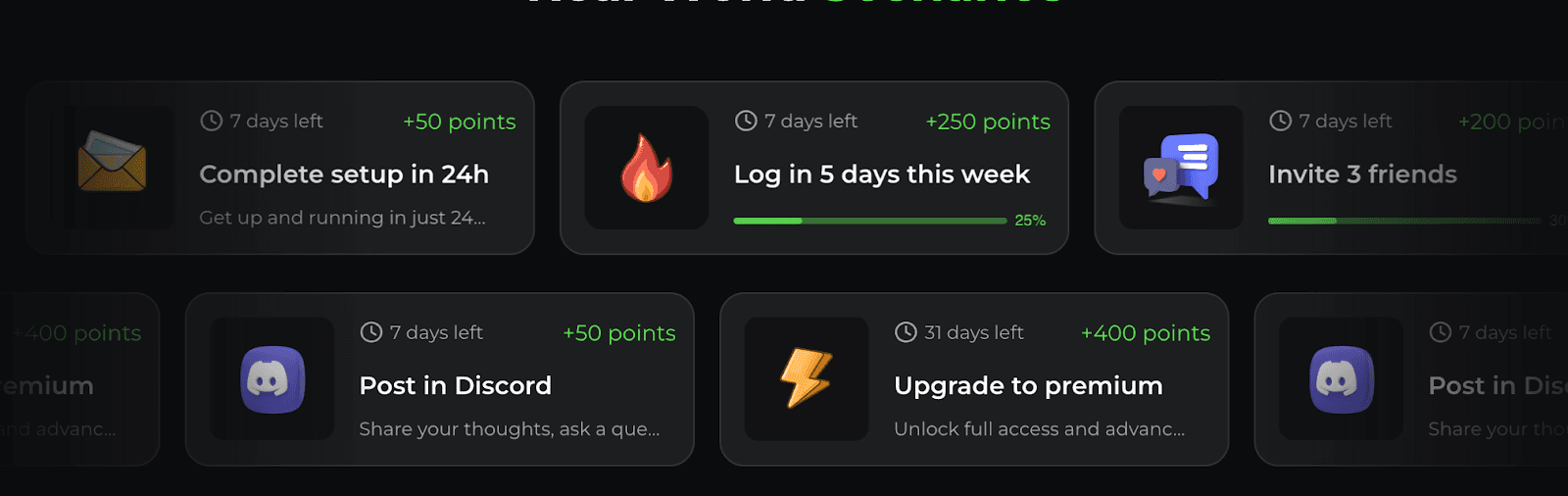
Progress visualization creates completion motivation. When customers see “2 of 3 steps complete” with a progress bar, they’re psychologically motivated to complete the third step. This works especially well for onboarding: “Set up app → Enable notifications → Make first redemption = unlock premium support.” Each step delivers incremental value while guiding customers toward high-value behaviors.
Quest chains for lifecycle milestones work for complex journeys. A new customer quest might span 90 days: Week 1 (explore app features, 50 points), Week 2 (enable autopay, 100 points), Week 4 (first bill paid, 150 points), Week 8 (refer friend, 200 points), Week 12 (loyalty status unlocked, premium tier discount). The quest creates structure for the critical early period when churn risk is highest.
What to avoid: Arbitrary badges that unlock nothing create cynicism. Leaderboards comparing customers create negative feelings – nobody wants to see “You’re #847 of 1,000 customers.” Complex achievement trees requiring study to understand just create friction. Points systems requiring mental math to understand value (“Is 500 points worth $5 or $50?”) fail because the cognitive load exceeds the perceived benefit.
Hyper-Personalized Offers Based on Usage and Tenure
Generic loyalty offers generate generic results. The difference between effective and ineffective telecom loyalty programs often comes down to personalization – delivering the right reward to the right customer at the right moment based on their unique context.
Personalization dimensions:
Usage-based personalization:
Heavy data users receive data boost rewards and unlimited upgrade offers
International callers see roaming packages and global calling rewards
Video streamers receive content bundle offers and speed upgrade prompts
Low-data users receive bill credit rewards rather than data they won't use
Tenure-based personalization:
New customers (0-6 months) receive app adoption incentives and feature education
Established customers (1-3 years) see family plan expansion offers
Long-tenure customers (3+ years) receive premium tier upgrades and VIP recognition
At-risk customers receive targeted retention offers based on contract status
Lifecycle personalization:
Contract expiration approaching → device upgrade offers with loyalty bonuses
Bill payment issues → flexible payment options or fee waivers for loyalty members
Support contact patterns → proactive service credits or tier benefits highlighting priority support
Competitive research signals → exclusive offers or tier benefits reminders
Demographic personalization:
Families receive multi-line rewards and parental control features
Students receive education content bundles and budget-friendly rewards
Seniors receive accessible device options and simplified plan communications
Professionals receive business service cross-sell and productivity app bundles.
Reducing friction in support, billing, and plan changes
Loyalty isn’t only about rewards – it’s equally about removing pain points. Customers don’t become loyal to brands that nickel-and-dime them on fees, make support painful, or create bureaucratic hassles around service changes.
Support friction reduction:
Loyalty tier-based priority queuing with estimated wait times
Dedicated support channels for high-value members (direct line, chat priority)
Proactive issue detection and resolution before customers notice
Account managers for top-tier members
Self-service tools that resolve issues without human contact
Billing friction reduction:
Transparent itemization with no surprise charges
Loyalty member fee waivers (activation fees, upgrade fees, international call accidental charges)
Flexible payment options and grace periods for good-standing members
Bill shock protection (automatic alerts and caps)
Simplified billing with bundled services shown clearly
Plan change friction reduction:
Anytime plan upgrades without penalties for loyalty members
Trial periods for premium tiers with automatic reversion if customer downgrades
Easy family plan addition without phone calls or paperwork
No-penalty downgrades for customers experiencing financial hardship
Transparent comparison tools showing exactly what changes with plan modifications
According to research from the Customer Contact Council, reducing customer effort is a stronger loyalty driver than delighting customers. In telecom specifically, customers who report low-effort experiences are 94% more likely to repurchase and 88% more likely to increase spending.
Using Feedback Loops to Improve Service and Loyalty
The most sophisticated telecom loyalty programs create bidirectional value exchange – customers provide feedback and behavioral data that enable service improvements, while telcos deliver personalized value in return.
Feedback collection mechanisms:
Post-interaction NPS or satisfaction surveys with point incentives for completion
In-app feature voting where members influence product roadmap priorities
Beta program access for new services with feedback channels
Review and rating systems for support interactions
Community forums where members discuss services and suggest improvements
Data-driven improvement loops:
Churn prediction models identify at-risk customers for proactive intervention
Usage pattern analysis reveals unmet needs and service gaps
Redemption data shows which rewards create most value and engagement
Journey analytics identify friction points in signup, billing, or support flows
Sentiment analysis from support transcripts surfaces emerging issues
Closed-loop follow-up:
Customers who provide negative feedback receive personal outreach
Feature requests that get implemented are communicated back to requesters
Service improvements are announced to loyalty members who reported issues
A/B testing results inform program optimization and are shared with engaged members
This feedback-improvement cycle creates a virtuous loop: customers feel heard, services improve based on real needs, satisfaction increases, loyalty strengthens, and customers provide more feedback.
How Enable3 Helps Telecom Companies Reduce Churn and Improve Retention
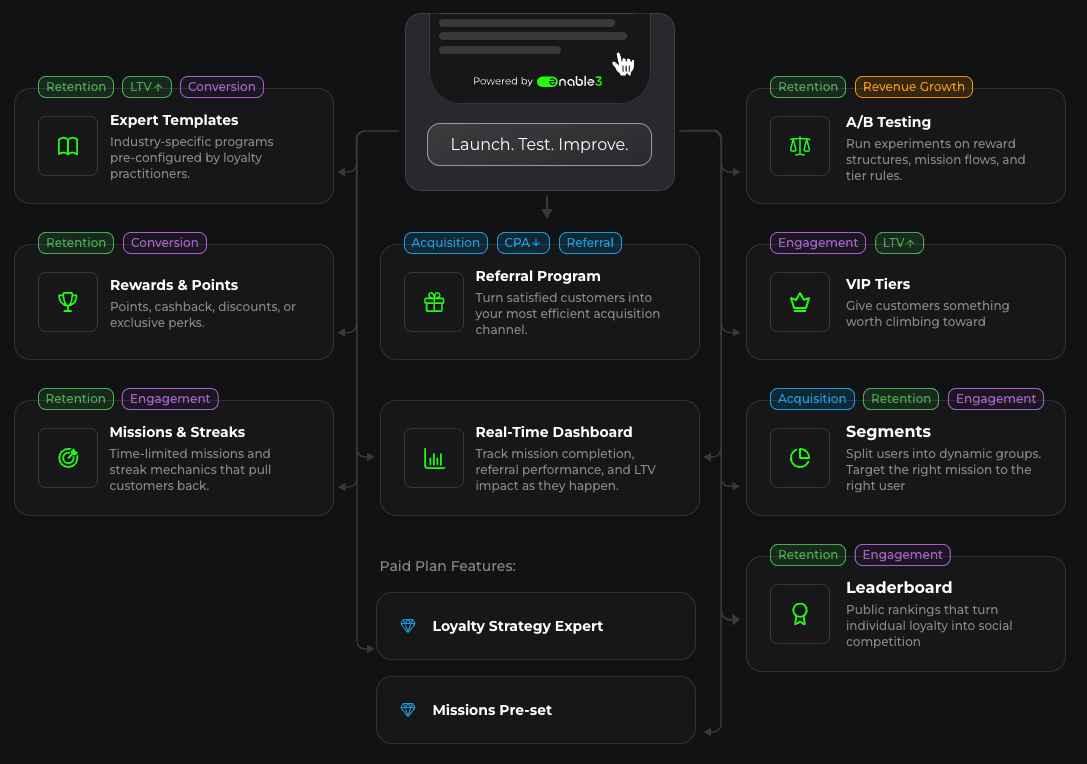
Enable3 is a low-code digital customer engagement platform for telecom businesses needing to launch programs quickly.
Low-Code Platform for Rapid Deployment
Launch loyalty programs in days instead of months without requiring developers. Create missions, quests, referral programs, and reward structures through visual interfaces. Test and optimize programs rapidly to respond to competitive threats and customer feedback.
Mission-Based Engagement
Go beyond points accumulation. Enable3 supports missions that drive specific customer behaviors – app logins, on-time bill payments, plan upgrades, referrals. Create multi-step quests guiding customers through onboarding, feature adoption, and upgrade paths while rewarding progress. This mission-based approach works better than traditional points in subscription businesses because it aligns rewards with behaviors, driving business value.
Flexible Reward Structures
Support instant gratification (weekly perks), tenure-based rewards (automatic discounts), hybrid models (points plus perks), or experience-based programs. Switch between models as you learn what resonates with your customers without rebuilding the platform.
Web3 Tokenization for Differentiation
For operators needing differentiation in competitive markets, Enable3 supports tokenized rewards, creating digital ownership. Customers can earn and hold digital assets with value beyond your ecosystem, transforming loyalty from points into assets. This creates switching costs through asset ownership rather than just accumulated points.
Flexible Integration
Low-code, no-code, or full API integration with your existing software. The platform adapts to your infrastructure rather than forcing you to adapt to the platform.
Customer Segmentation
Built-in segments feature lets you group customers by behavior and value. Deliver different reward structures to different segments – premium experiences for high-value customers, retention triggers for at-risk customers, onboarding incentives for new customers.
Analytics for Personalization
Track loyalty program performance, redemption patterns, and retention impact through built-in analytics. Trigger automated retention campaigns towards at-risk customers before they churn. The analytics prove loyalty program ROI to stakeholders while optimization data continuously improves performance.
Ready to transform your telco loyalty program? Contact Enable3 today for a personalized consultation to see how our platform can help you reduce churn, grow customer lifetime value, and build lasting customer relationships in an increasingly competitive market.
Conclusion: Building a Telecom Loyalty Program That Customers Actually Value
Customers will switch to save $10/month despite years of subscription. Loyalty programs built on complexity fail. Programs that work share traits: they reward the subscription itself, integrate seamlessly into existing apps, personalize based on behavior, redeem instantly.
The best programs stop selling phone plans and start enabling lifestyles – streaming, travel, dining, experiences beyond connectivity. They recognize connectivity is invisible and create moments making the brand visible in positive contexts.
Start simple. Launch one compelling benefit – weekly perks, tenure discounts, or exclusive access. Modern no-code platforms like Enable3 let you launch in days, not months, testing what resonates before committing to complex builds. Measure relentlessly using control groups to prove attribution. Iterate quickly based on redemption data and customer feedback.
Loyalty in telecom isn’t earned through points. It’s earned by making customers feel valued in an industry famous for the opposite.
Start with one benefit
Ship it this month and see the results

Frequently Asked Questions
What makes telecom loyalty programs different from other loyalty programs?
Telecom loyalty programs operate under unique constraints compared to retail or travel programs. The core service (connectivity) is largely commoditized, with customers perceiving minimal differentiation between major carriers. Purchase frequency is extremely low – customers typically interact with their provider only monthly (bill payment) or annually (contract renewal), creating limited natural engagement moments.
This means telecom loyalty programs must proactively create engagement touchpoints through gamification, time-sensitive offers, and lifestyle partnerships rather than relying on frequent transaction loops. Additionally, telco loyalty programs leverage highly detailed usage data (data consumption, call patterns, roaming behavior) to enable hyper-personalization that's difficult to replicate in other industries.
The most successful telecom loyalty programs extend value beyond core connectivity through strategic partnerships with content providers, retailers, and travel brands, transforming the telco from a utility into a lifestyle platform.
How do telco partnering programs help reduce churn?
Telco partnering programs reduce churn through several complementary mechanisms. First, they increase the perceived value of the telecom relationship beyond the monthly bill – customers who earn airline miles, retail discounts, or streaming subscriptions through their telco loyalty program see greater total value than the base connectivity service alone provides.
Second, partnerships create switching costs through accumulated benefits and integrated experiences. A customer who has built up rewards across multiple partner brands, achieved elevated tier status with benefits extending to bank accounts or travel programs, or integrated their telco loyalty with everyday spending faces significantly higher friction when considering a switch to a competitor.
Third, partnerships generate more frequent engagement touchpoints. While customers might only think about their telecom service during monthly billing, they engage with partner rewards weekly or daily through shopping, entertainment, or travel activities. This regular reinforcement keeps the telco top-of-mind and builds habitual loyalty.
Finally, partnership data reveals customer lifecycle events and needs (travel planning, major purchases, lifestyle changes) that enable proactive retention interventions before churn risk materializes.
Which telco rewards have the strongest impact on retention?
Telco rewards directly related to the core connectivity experience demonstrate the strongest retention impact. Data boosts, speed upgrades, and device subsidies address customers' primary use cases and pain points, making them highly valued and frequently redeemed.
Bill credits remain universally appealing and easy to understand, with immediate financial impact that customers appreciate. However, exclusive rewards that cannot be easily obtained elsewhere – such as VIP support access, early device launch access, or curated experiences – create stronger emotional connections and differentiation from competitors who can easily match bill credit offers.
Among partnership rewards, content bundles (streaming services, music subscriptions) perform exceptionally well because they align with how customers use mobile connectivity. These rewards feel integrated rather than transactional and create ongoing value reminders each time the customer streams content.
The least effective rewards tend to be generic merchandise catalogs or low-value partner discounts that customers can find elsewhere. Retention impact correlates directly with reward relevance, exclusivity, and perceived value relative to point investment.
Can smaller operators run effective telecom loyalty programs?
Absolutely. While large national carriers have budget advantages and scale economies, smaller operators can achieve exceptional loyalty program results through focused strategies that leverage their agility and customer intimacy.
Smaller operators should focus on quality over breadth – partnering with 5-10 highly relevant local or regional brands rather than attempting to match the hundreds of partners in large coalition programs. Regional partnerships (local sports teams, community organizations, hometown retailers) can create stronger emotional connections than national brands.
Technology democratization through platforms like Enable3 allows smaller operators to deploy enterprise-grade loyalty infrastructure without custom development costs or large IT investments. Cloud-based SaaS models provide access to sophisticated personalization, real-time decisioning, and analytics capabilities previously available only to the largest carriers.
Smaller operators also benefit from higher touch relationships with their customer base, enabling more personalized recognition and VIP treatment that feels authentic. A boutique operator treating every customer like a VIP creates loyalty that impersonal mega-carriers struggle to replicate.
The key success factors for smaller operators are: tight segmentation, focusing rewards on high-value customers, ruthless prioritization of high-impact benefits over feature parity, leverage of local partnerships for differentiation, and superior service delivery as the foundation of loyalty program value.
How should telcos measure customer loyalty in the telecommunication industry?
Measuring customer loyalty in telecommunications requires a balanced scorecard approach combining behavioral metrics, financial outcomes, and attitudinal indicators.
Behavioral metrics include voluntary churn rate (the percentage of customers who choose to leave rather than being disconnected for non-payment), tenure distribution showing how long customers stay, and engagement indicators like app usage, reward redemption frequency, and self-service adoption. These reveal what customers actually do, which is more reliable than what they say.
Financial metrics focus on ARPU (average revenue per user), showing whether customers are expanding their spending, CLV (customer lifetime value), projecting total relationship profitability, and cost-to-serve ratios demonstrating operational efficiency gains from loyalty program participation.
Attitudinal metrics include NPS (Net Promoter Score), measuring recommendation likelihood, satisfaction scores from post-interaction surveys, and sentiment analysis from support communications and social media.
The critical discipline is attribution – isolating how much of your improvement in these metrics actually results from your loyalty program versus other factors. This requires control groups, propensity score matching, or sophisticated regression analysis that accounts for network improvements, pricing changes, competitive dynamics, and market conditions.
Best practice is to establish baseline metrics before program launch, set specific improvement targets for each segment, measure continuously with automated dashboards, and optimize program features based on which elements demonstrate the strongest impact on your core KPIs.